智城云

Search documents
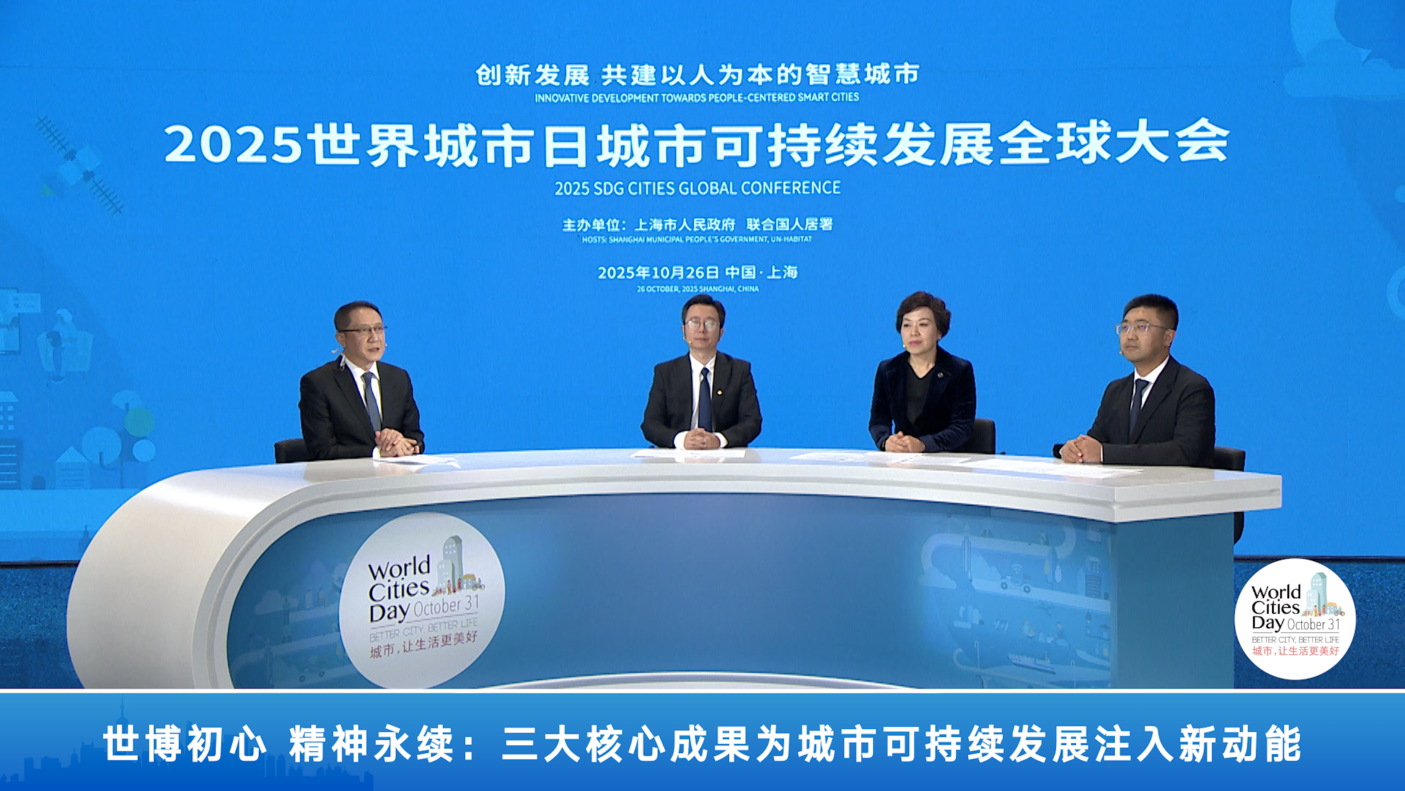
世博初心 精神永续:三大核心成果为城市可持续发展注入新动能
Di Yi Cai Jing· 2025-11-27 07:24
Core Insights - The spirit of the Expo will continue to invigorate and drive global sustainable development in the new era, transitioning from the vision of the 2010 Shanghai Expo to the outcomes of the 2025 World Cities Day [1] Group 1: Innovations in Urban Development - The 2025 World Cities Day Global Conference showcased innovative achievements in urban construction and management, reflecting a commitment to sustainable urban development [3] - MAZU-Urban, an AI-driven early warning system for urban multi-hazards, has been implemented in 35 countries and regions, enhancing disaster warning timeliness from "hour-level" to "minute-level" [5] - The "Smart City Cloud" series of products provides comprehensive lifecycle management for urban infrastructure, emphasizing the importance of data sharing for effective smart city development [7] Group 2: Green Urban Standards - The "International Standard for Green Block Design" fills a gap in global standards, transforming the concept of livability into actionable criteria for urban areas [9] - The green block standard evaluates urban areas based on green environment, facilities, and governance, helping citizens assess whether their neighborhoods meet their expectations for livability [9] - The integration of government, industry, academia, and research will further promote the implementation of these "Chinese solutions" globally, enhancing the spirit of the Expo as a driving force for sustainable development [9]

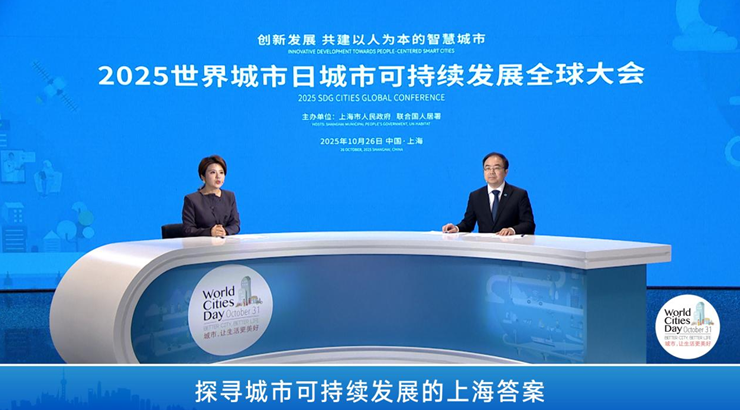
探寻城市可持续发展的上海答案
Di Yi Cai Jing· 2025-11-08 10:27
Core Insights - The rapid development and transformation of cities necessitate a focus on sustainability and livability, which has become a global issue [1][3] - The World Urban Day Global Conference on Sustainable Urban Development, co-hosted by the Shanghai Municipal Government and UN-Habitat, aims to deepen the brand connotation of the "Urban Development Conference" [1][3] Group 1: UN-Local Government Cooperation Model - The "Urban Development Conference" represents a unique mechanism innovation that integrates global agendas and international standards into urban planning and governance [3] - This model facilitates a two-way interaction between the UN and local governments, translating global sustainable development goals (SDGs) into executable urban projects [3] - The conference has established stable partnerships with over 100 cities globally, creating a valuable resource for long-term cooperation through cross-regional and cross-departmental trust [3] Group 2: Thematic Framework of the Conference - The conference is designed around three major themes that address interconnected urban challenges, forming a "complete loop" for urban governance [4] - The themes include "Good Housing," which relates to social equity; "Green, Low-Carbon, and Resilient," which pertains to urban safety and future; and "Digital Governance," which enhances urban efficiency [4] - Approximately 2.8 billion people globally still live in inadequate housing conditions, making "Good Housing" a significant global issue beyond mere construction [4] Group 3: Technological Output and Global Sharing - The conference aims to promote Chinese innovative technologies, such as the MAZU-Urban early warning system and "Smart City Cloud," as global shared tools [6] - It serves as a platform for dialogue between representatives of developing countries and Chinese technology teams to explore the applicability of technologies under different socio-economic conditions [6] - The focus is on knowledge sharing, technology openness, and capacity building to enable cities to localize and apply these experiences effectively [6] Group 4: Empowering the Next Generation - The conference seeks to engage youth in shaping the future of cities through initiatives like the "Future City Innovation Challenge" and "Youth Forum" [7] - It provides opportunities for young entrepreneurs and students to interact directly with city managers and international organizations, allowing their ideas to be put into practice [7] - Collaborations with universities and communities aim to educate young people on the significance of sustainable development, making it an accessible journey for them [7]