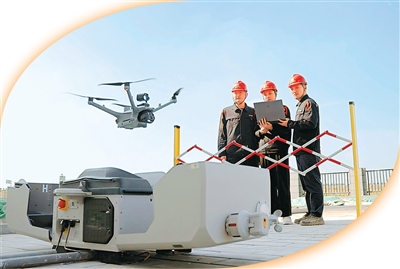
智慧供暖系统

Search documents
大兴机场“智慧隐形暖网” 守护旅客冬日温暖出行
Zhong Guo Min Hang Wang· 2025-12-16 05:05
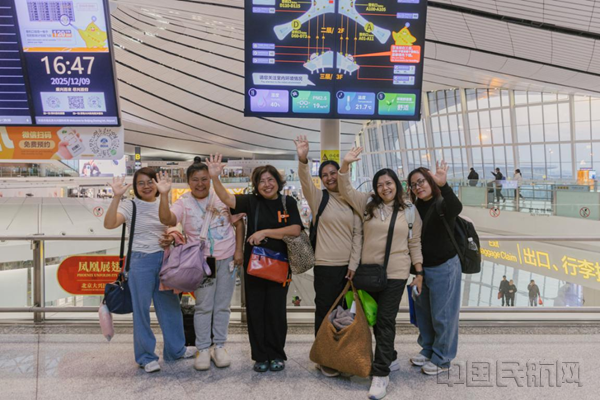
Core Viewpoint - The article highlights the advanced heating system at Beijing Daxing International Airport, emphasizing its innovative design and technology that ensures passenger comfort during winter months [1][6]. Group 1: Heating System Design and Functionality - The airport features a unique "five-finger corridor" design supported by eight C-shaped columns, which presents challenges for heating due to its spacious layout and extensive use of glass [3]. - A sophisticated, unit-based smart heating system has been implemented, dividing the terminal into 74 independently controlled heating units to optimize temperature management [4]. - The heating system utilizes various types of equipment to provide on-demand heating across different areas, ensuring comfort in both large spaces like check-in areas and smaller zones such as restaurants [4]. Group 2: Energy Supply and Control Mechanisms - The heating system relies on a stable energy supply and an efficient control system, with heat delivered from a remote energy center through a dedicated pipeline network [4]. - The system integrates weather forecasts and passenger flow data to predict future heating demands, allowing for precise adjustments in operation strategies [4]. - A dual monitoring approach combines temperature sensors with manual inspections to ensure timely responses to temperature fluctuations [4]. Group 3: Health and Environmental Considerations - The airport adheres to a fresh air standard of no less than 30 cubic meters per hour per person, continuously optimizing air quality metrics such as PM2.5 and CO₂ levels [6]. - Real-time environmental monitoring screens are available for passengers to view temperature, humidity, and air quality data, enhancing transparency and comfort [6]. - The system features a "sleep mode" for overnight passenger rest areas, maintaining a comfortable temperature range of 20-22°C while minimizing noise [6]. Group 4: Customer Experience and Service Philosophy - The smart heating system embodies a service philosophy that prioritizes passenger comfort and respect, ensuring a warm welcome upon arrival at the airport [7].

供暖有“新解” 智慧守冬安
Ren Min Ri Bao Hai Wai Ban· 2025-12-02 22:33
Core Insights - The article highlights the significant advancements in the heating industry through the integration of digital and intelligent technologies, which have transformed heating management from traditional methods to smart control systems [7][10]. Group 1: Technological Advancements - The heating industry is experiencing a shift towards digitalization and intelligent technology, with the smart heating market in China projected to grow from less than 200 billion yuan in 2017 to 220 billion yuan by 2024, reflecting a compound annual growth rate of over 15% [7]. - The "Smart Brain" system integrates IoT, big data, and AI technologies to provide real-time monitoring and control of heating systems, significantly improving efficiency and response times [8][9]. - The implementation of AI-driven models allows for dynamic adjustments in heating networks, achieving full network flow balance in just 4 hours, which is five times more efficient than traditional methods [9]. Group 2: Efficiency and Cost Reduction - The National Energy Investment Corporation's Hebei heating company has implemented energy-saving controls that have reduced heat consumption by 1.1 watts per square meter for the 2024-2025 heating season, achieving a six-year consecutive decline in consumption metrics [10]. - The integration of smart devices in the heating network has led to an 8% reduction in heat consumption and a 10% reduction in electricity consumption, enhancing user comfort [10]. Group 3: Safety and Monitoring - The use of digital technologies in pipeline inspections has improved risk warning and emergency response capabilities, addressing issues like damaged or misplaced manhole covers that could lead to safety incidents [11]. - An intelligent monitoring system utilizing Beidou positioning and IoT technology has been established to ensure rapid response to potential risks in heating pipelines [11]. Group 4: Renewable Energy Integration - The article discusses the use of geothermal energy in Xiong'an New Area, where a comprehensive monitoring system has been established to optimize heating delivery to over 100,000 households [13]. - The Qinghai Province's clean electric heating project demonstrates the application of renewable energy sources, including solar and wind, to provide stable heating solutions [14][15].