智慧充电管理平台

Search documents
春运通途活力中国 “送电到车”为电车出行提供智慧便捷保障
Yang Shi Wang· 2026-02-04 07:25
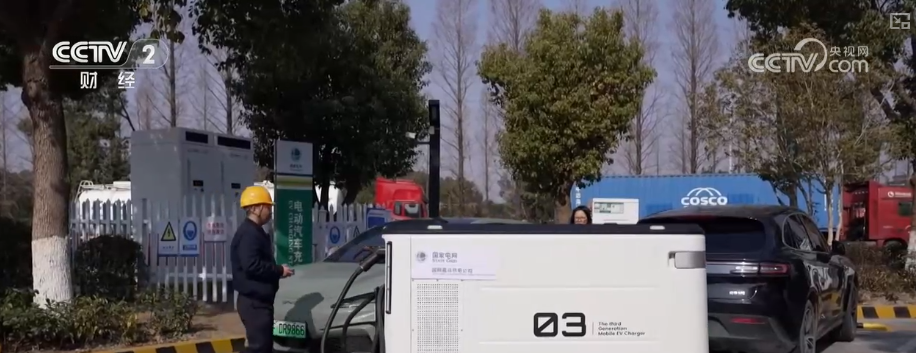
Core Viewpoint - The transportation department forecasts that during the 2026 Spring Festival travel period, the daily traffic of new energy vehicles on the national highway network is expected to approach 9.5 million vehicles, indicating an increase in travel share for electric vehicles. Intelligent upgrades in charging services at highway service areas will support this trend [1]. Group 1: Charging Infrastructure and Services - The mobile energy charging robots at the Hangpu Expressway Pinghu service area provide dynamic charging services, enhancing convenience for electric vehicle owners [3]. - Users report significant improvements in charging convenience, with the ability to summon charging robots via an app, reducing wait times from hours to mere minutes [4]. - A smart charging management platform, developed by local transportation, emergency, and power supply departments, enables real-time monitoring and dynamic dispatch of mobile charging equipment, transitioning from a traditional "car finds pile" model to an intelligent "pile chases car" model [6]. Group 2: Charging Capacity and Future Plans - The average daily charging sessions at the Pinghu service area have increased from over 180 to over 220 since the introduction of mobile charging facilities, with expectations to exceed 400 sessions per day during the Spring Festival [6]. - Nationwide, there are currently 71,500 charging piles at highway service areas, covering over 98% of service areas, contributing to a total of 20.09 million electric vehicle charging facilities as of December 2025 [7]. - China has established the world's largest electric vehicle charging network, supporting the charging needs of over 40 million new energy vehicles, with plans to double the service capacity of charging facilities by 2027, aiming for a total of 28 million charging facilities to meet the needs of over 80 million electric vehicles [9].