
智慧食堂管理系统

Search documents
智慧食堂系统:全方位革新食堂管理模式
Sou Hu Cai Jing· 2025-12-23 10:25
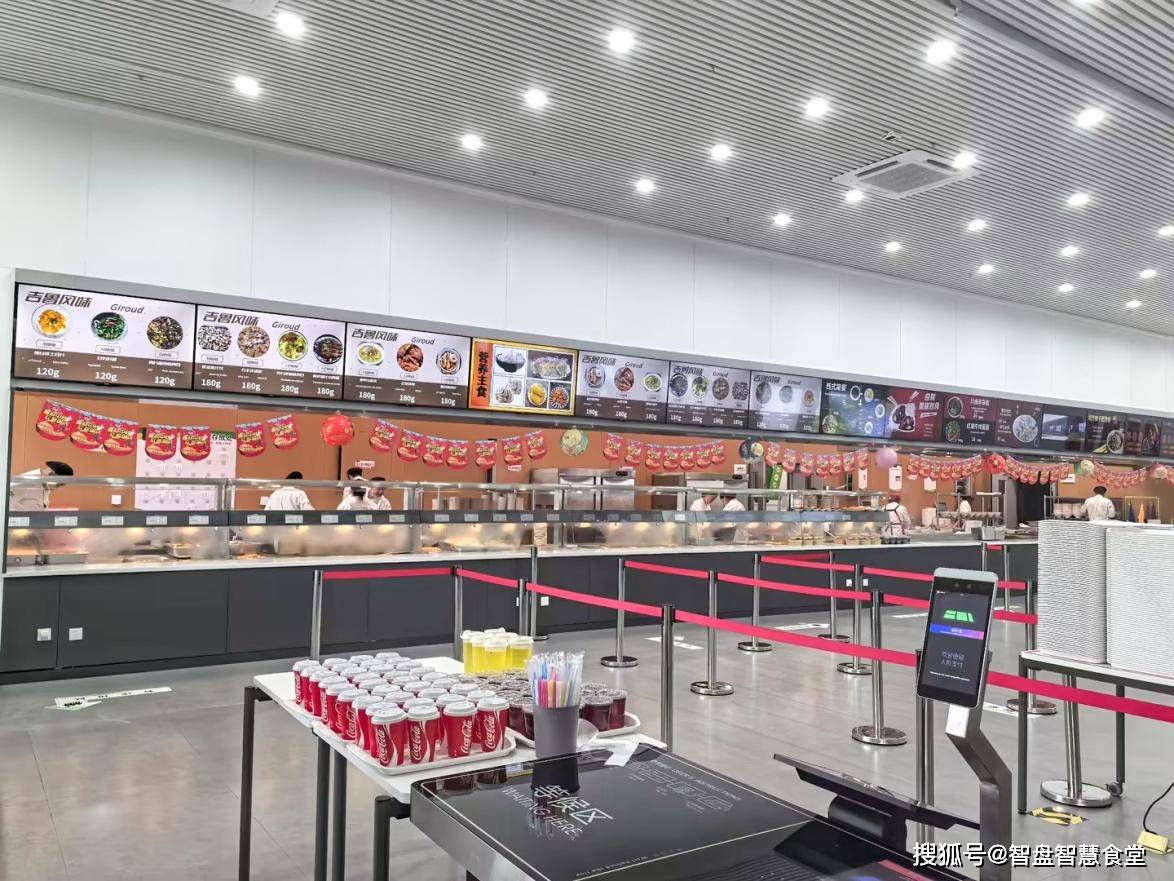
Core Insights - The traditional canteen management is undergoing a profound transformation driven by digitalization, with smart canteen management systems being widely adopted across various sectors such as government, enterprises, schools, hospitals, and communities, leading to a digital and intelligent transformation of canteen management [1] Group 1: Front-end Management Innovations - Smart canteens have introduced innovative dining methods such as small bowl dishes, self-service weighing, and food stalls, catering to diverse dining needs and enhancing customer satisfaction while reducing waste [2] - Various payment methods including facial recognition, card systems, mobile payments, and self-service recharge have been integrated into smart canteens, making transactions more convenient and efficient for diners [3] - The introduction of smart terminals like intelligent gates and self-service weighing stations has created a cashless dining experience, improving operational efficiency and providing a modern technological experience for diners [5] - Smart canteens provide advance notifications of daily menus and nutritional information through electronic displays or mobile apps, allowing diners to make informed choices based on their dietary needs [6] Group 2: Back-end Management Enhancements - The inventory management system of smart canteens includes features for procurement, inventory tracking, and data visualization, enabling real-time monitoring of stock levels and preventing shortages or overstock situations [8] - For organizations with multiple canteens, the group management function allows for unified oversight of operational data, food safety, and inventory, enhancing management efficiency and facilitating rapid transformation [9] - Smart canteens utilize intelligent environmental monitoring devices to ensure a healthy dining environment by tracking temperature, humidity, and air quality, with real-time alerts for any anomalies [10] - AI-driven monitoring in kitchen areas ensures compliance with hygiene standards and operational protocols, enhancing food safety through real-time behavior analysis and alerts for any violations [11] - Comprehensive data integration from both front-end sales and back-end operations allows for visual analysis of canteen performance, supporting informed decision-making and improving economic and social benefits [13] - A strict food sampling system using facial recognition ensures traceability of food safety, allowing for quick identification of sources in case of food safety incidents [14] Conclusion - The smart canteen management system represents a significant advancement in canteen operations, enhancing the dining experience and strengthening operational safeguards, laying a solid foundation for sustainable development in the sector as technology continues to evolve [1]

河南智慧食堂建设有了官方标准
Zhong Guo Chan Ye Jing Ji Xin Xi Wang· 2025-08-06 22:22
Core Viewpoint - The implementation of the local standard "Guidelines for the Construction of Smart Canteen Management Systems" marks a significant step towards the standardization and normalization of smart canteen development in Henan Province, enhancing the efficiency and quality of dining services [1][2] Group 1: Standard Implementation - The standard was officially implemented on July 20, 2023, filling a gap in the construction standards for smart canteens in Henan Province [1] - The guidelines provide a regulatory basis for the construction and upgrading of smart canteens across the province [1] Group 2: Food Safety and Consumer Experience - Food safety is emphasized as a core issue in canteen management, with the guidelines establishing a strict food ingredient traceability system, quality testing mechanisms, and environmental hygiene monitoring systems [1] - Smart canteens can offer personalized nutrition recommendations and customized dining services based on consumer dietary preferences and health needs, enhancing the dining experience and interaction between consumers and dining companies [1] Group 3: Resource Allocation and Economic Impact - The implementation of the standard positively impacts the rational allocation of social resources by enabling precise data analysis and forecasting for food ingredient procurement, thus avoiding over-purchasing and waste [2] - The development of smart canteens is expected to stimulate related industries, such as smart dining equipment manufacturing, restaurant information software development, and food supply chain optimization, promoting collaborative innovation and development across the industry chain [2]