
智慧食堂

Search documents
北京市中小学2027年底全面实现食堂供餐
Xin Lang Cai Jing· 2026-01-18 17:25
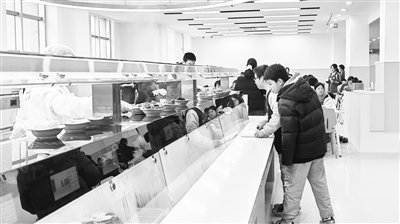
Core Insights - The Beijing municipal government aims to fully implement on-campus dining services in all primary and secondary schools by the end of 2027, promoting the application of smart canteens to enhance management through technology [3][6] - The initiative includes the establishment of a regional procurement platform for food supplies, which has already completed over 1,600 improvement projects across more than 1,300 school canteens since 2005 [3][6] Group 1: Smart Canteen Implementation - The smart canteen system at Pinggu Middle School has been operational for a month, serving an average of 1,500 people daily, with significant improvements in meal service efficiency, food waste reduction, and student satisfaction [3][4] - The kitchen utilizes robotic cooking and multifunctional ovens, standardizing meal preparation with over 200 recipes, which reduces human error and cooking time by approximately 30 minutes [4] Group 2: Student Experience and Nutritional Management - Students can choose meals using a self-service model, with electronic displays providing information on dish names, prices, nutritional content, and allergens, allowing parents to track their children's dining details via a mobile app [4] - The flexibility in meal portions, including unlimited rice refills, has effectively reduced food waste, while students report improved meal variety and affordability [4] Group 3: Supply Chain and Food Safety - Food procurement at Pinggu Middle School is managed through a certified platform, ensuring traceability and safety from farm to table, with a five-tier control system for food safety [5] - The supply chain includes cold chain logistics with real-time temperature monitoring, ensuring that fresh produce is delivered to schools on the same day [5] Group 4: Future Plans and Educational Integration - The Beijing Municipal Education Commission plans to transition all school canteens to self-operated models and expand the coverage of the procurement platform to ensure transparent sourcing of all food categories [6] - Schools are encouraged to develop curriculum that integrates food science and technology, enhancing students' practical skills and innovative thinking through project-based learning [4][6]

精准管控 高效体验:解析自助餐称重结算方案在银行智慧食堂的核心应用
Sou Hu Cai Jing· 2026-01-09 03:05
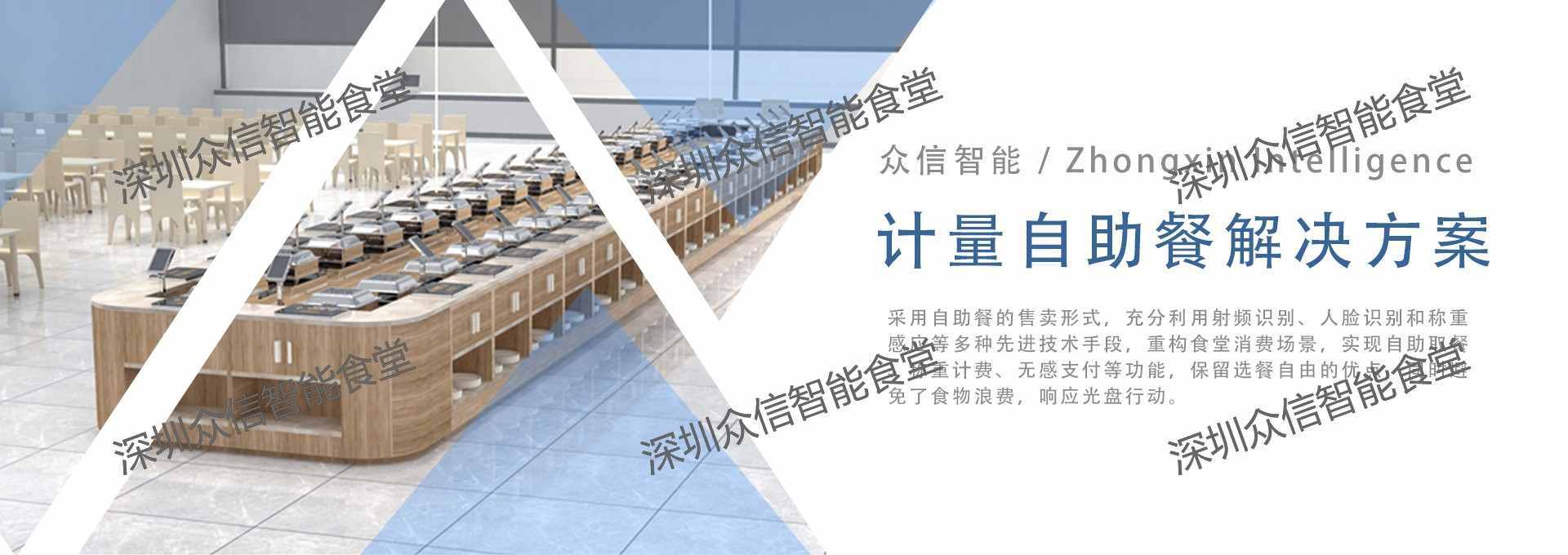
Core Insights - The digital transformation in the banking industry emphasizes the upgrade of smart canteens as a key approach to optimize logistical support [1] - The self-service weighing and settlement solution focuses on "demand-based meal selection and precise pricing" to address traditional cafeteria issues such as long queues, significant waste, and management difficulties [1] Hardware Configuration - The hardware system utilizes integrated smart devices to create a seamless dining experience, featuring the LN-JL-03RT intelligent weighing machine with 1-gram precision sensors [2] - An 8-inch full-view display shows real-time weight and pricing, enhanced by warm LED lighting for better food presentation [2] - Each dining line is equipped with over 20 devices to support efficient service for more than 500 people, integrating multi-modal payment options like facial recognition, card swiping, and QR code scanning [4] Settlement Software - The settlement software is designed with "efficiency, compatibility, and intelligence" at its core, enabling weight detection and pricing within 3 seconds after placing the meal tray [5] - The payment success rate reaches 99.9%, and the system is tailored to meet banking needs by integrating with internal apps and meal subsidy systems [5] - It supports various payment methods, including dynamic QR codes and order push notifications [5] Backend Data Management - The backend data management system establishes a comprehensive control framework, collecting real-time data on ingredient consumption and dish sales to generate multi-dimensional reports [8] - It enables precise forecasting of meal demand, leading to an 80% reduction in kitchen waste and a 30% decrease in costs for institutions like the Jiangxi branch of China Construction Bank [8] - The system features a local and cloud dual-backup architecture, ensuring data integrity and compatibility with financial systems for a complete procurement-settlement-accounting loop [8] Overall Impact - The self-service weighing and settlement solution, through "hardware foundation, software efficiency, and data empowerment," aligns with the banking industry's need for efficient and precise management while promoting a green and humanistic approach [8] - It has become a core engine for the construction of smart canteens in banks, continuously driving logistical upgrades in financial institutions, as evidenced by benchmark cases from Agricultural Bank of China and Industrial and Commercial Bank of China [8]
二〇二五年度十大营养热词发布
Ren Min Ri Bao Hai Wai Ban· 2026-01-08 22:55
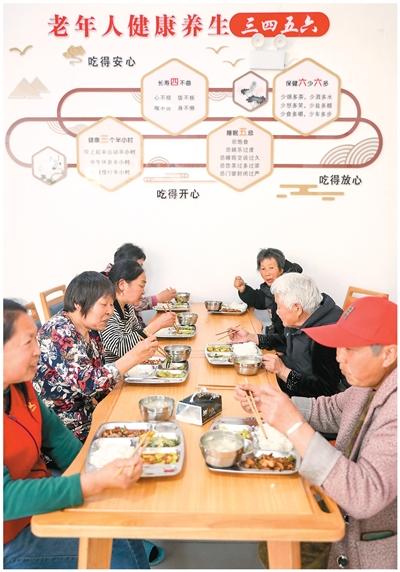
Group 1: Nutrition Trends and Innovations - Sichuan Province is accelerating the construction of rural elderly canteens to provide lunch services for local seniors [2] - In Guizhou Province, students are enjoying free nutritious meals as part of a local initiative [4] - Fujian Province's abalone processing companies are integrating traditional culinary techniques with modern food processing to create various export products [6] Group 2: Pre-prepared Meals - Pre-prepared meals are defined as factory-processed, pre-packaged finished or semi-finished dishes, which should not be labeled as inherently good or bad [9] - Consumer concerns about pre-prepared meals include poor ingredient quality, use of additives, unsatisfactory taste, and low nutritional value, which can be addressed through scientific processes and strict management [10] - Consumers are advised to pay attention to ingredient lists and nutritional labels, particularly sodium and fat content, when selecting pre-prepared meals [10] Group 3: Health and Dietary Trends - Anti-inflammatory diets focus on selecting foods that lower chronic inflammation levels, emphasizing fresh plant-based foods and healthy fats while reducing processed foods [11] - Anti-aging strategies are shifting towards proactive health management across all life stages, emphasizing balanced nutrition to delay functional decline and reduce chronic disease risks [12] - Smart canteens utilize information technology to enhance food safety, nutrition management, and operational efficiency, aligning with industry digital transformation trends [13] Group 4: Gut Health - Gut microbiota plays a crucial role in health, with imbalances linked to various diseases; dietary choices significantly influence gut health [15][16] - A diet rich in dietary fiber and polyphenols supports beneficial gut bacteria, while avoiding processed foods and excessive sugars is essential for maintaining gut health [16] Group 5: Sleep Health - Poor sleep quality is linked to increased inflammation and various health risks, with a significant portion of the population experiencing sleep disorders [17] - Certain foods can aid sleep, while lifestyle changes such as regular sleep patterns and stress management are crucial for improving sleep quality [17] Group 6: Healthy Aging - Healthy aging strategies focus on extending healthy life expectancy and reducing the time spent with illness, emphasizing nutritional interventions [19][20] - The development of senior meal services and smart nutrition technologies is advancing to improve the quality of life for the elderly [20] Group 7: Weight Management - Public interest in scientific weight management is increasing, with a focus on maintaining a healthy weight through balanced diets and regular physical activity [21] Group 8: Immune Health - Understanding of immunity is evolving towards maintaining immune homeostasis, with nutrition playing a vital role in supporting immune function [22]
智慧食堂系统:全方位革新食堂管理模式
Sou Hu Cai Jing· 2025-12-23 10:25
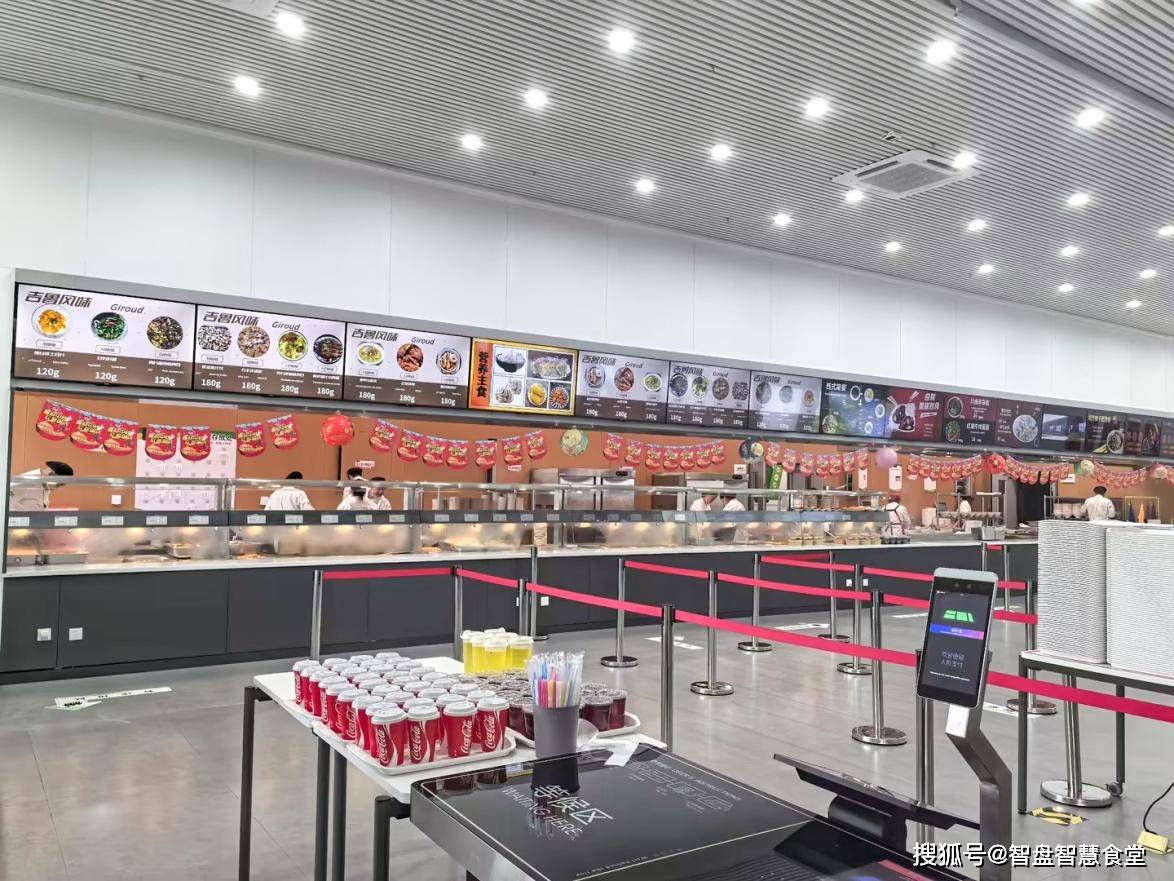
Core Insights - The traditional canteen management is undergoing a profound transformation driven by digitalization, with smart canteen management systems being widely adopted across various sectors such as government, enterprises, schools, hospitals, and communities, leading to a digital and intelligent transformation of canteen management [1] Group 1: Front-end Management Innovations - Smart canteens have introduced innovative dining methods such as small bowl dishes, self-service weighing, and food stalls, catering to diverse dining needs and enhancing customer satisfaction while reducing waste [2] - Various payment methods including facial recognition, card systems, mobile payments, and self-service recharge have been integrated into smart canteens, making transactions more convenient and efficient for diners [3] - The introduction of smart terminals like intelligent gates and self-service weighing stations has created a cashless dining experience, improving operational efficiency and providing a modern technological experience for diners [5] - Smart canteens provide advance notifications of daily menus and nutritional information through electronic displays or mobile apps, allowing diners to make informed choices based on their dietary needs [6] Group 2: Back-end Management Enhancements - The inventory management system of smart canteens includes features for procurement, inventory tracking, and data visualization, enabling real-time monitoring of stock levels and preventing shortages or overstock situations [8] - For organizations with multiple canteens, the group management function allows for unified oversight of operational data, food safety, and inventory, enhancing management efficiency and facilitating rapid transformation [9] - Smart canteens utilize intelligent environmental monitoring devices to ensure a healthy dining environment by tracking temperature, humidity, and air quality, with real-time alerts for any anomalies [10] - AI-driven monitoring in kitchen areas ensures compliance with hygiene standards and operational protocols, enhancing food safety through real-time behavior analysis and alerts for any violations [11] - Comprehensive data integration from both front-end sales and back-end operations allows for visual analysis of canteen performance, supporting informed decision-making and improving economic and social benefits [13] - A strict food sampling system using facial recognition ensures traceability of food safety, allowing for quick identification of sources in case of food safety incidents [14] Conclusion - The smart canteen management system represents a significant advancement in canteen operations, enhancing the dining experience and strengthening operational safeguards, laying a solid foundation for sustainable development in the sector as technology continues to evolve [1]
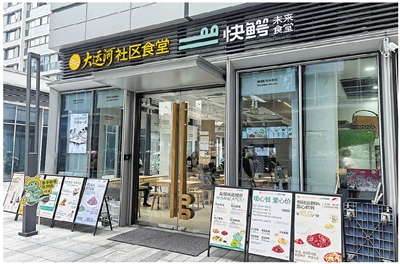
探营杭州首家“AI星厨智慧食堂”
Hang Zhou Ri Bao· 2025-11-12 02:26
Core Insights - The article discusses the introduction of an AI-powered smart canteen in the Xiangqiao community of Hangzhou, which aims to enhance dining convenience and address traditional canteen issues [2][5]. Group 1: Smart Canteen Features - The smart canteen utilizes AI cooking equipment that automates food preparation and serves as both chef and server, optimizing space usage [3][4]. - The operational process is highly automated, with a central kitchen handling ingredient preparation and cold chain delivery to the canteen, minimizing contamination risks [4]. - The AI system adjusts cooking parameters based on algorithmic learning to ensure standardized quality, with a quick serving time of 3 to 5 minutes per dish [4]. Group 2: Community Needs and Benefits - The community sought a smart canteen to address common issues faced by traditional canteens, such as smoke management and inconsistent food quality, while providing extended service hours [5]. - Since its trial operation began in late August, the canteen has received positive feedback from residents, indicating a successful community integration [5][8]. Group 3: Financial Aspects - The initial investment for the AI cooking equipment is approximately 400,000 yuan, with a projected payback period of around two years due to reduced labor costs [5][6]. - The canteen operates with minimal staff, requiring only two to three employees, which is comparable to traditional canteen staffing costs [5][6]. - Daily customer traffic averages over 150, along with more than 150 takeaway orders, indicating that the canteen has already achieved profitability [7]. Group 4: Future Prospects - The smart canteen model is adaptable, allowing for scalability based on community size, and the company plans to collaborate with local governments to explore new service pathways [8]. - The community's initiative to adopt smart kitchens aims to enhance service quality, and the long-term viability of this model remains to be seen [8].
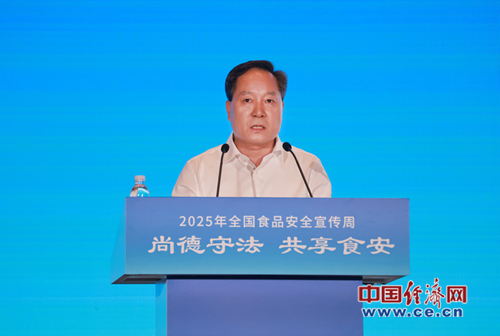
林伟明:坚持“健康第一”理念,用心守护师生饮食安全
Zhong Guo Jing Ji Wang· 2025-09-11 10:58
Core Viewpoint - The 2025 National Food Safety Publicity Week main event emphasizes the importance of food safety management in schools, highlighting the efforts of Beijing Haidian Middle School in ensuring the safety of food for students and staff through a comprehensive approach [2][5]. Group 1: Institutional Framework - The school has established a robust food safety management system covering all aspects from procurement to meal service, ensuring accountability and operational standards [2]. - Key management responsibilities are structured into a three-tier system focusing on daily risk control, weekly hazard identification, and monthly strategic planning [2]. Group 2: Smart Empowerment - As a pilot school for smart canteens, Haidian Middle School utilizes digital tools to oversee all food-related processes, enhancing transparency and control [3]. - The procurement process includes strict quality checks and traceability, with automated systems for inventory management and verification of food quality [3]. Group 3: Food Education Integration - The school promotes a culture of food education, integrating knowledge on food safety, ecological awareness, and nutrition into the curriculum to foster healthy eating habits among students [4]. - A collaborative governance mechanism involving students and parents is established to enhance food safety oversight within the school [5].
河南智慧食堂建设有了官方标准
Zhong Guo Chan Ye Jing Ji Xin Xi Wang· 2025-08-06 22:22
Core Viewpoint - The implementation of the local standard "Guidelines for the Construction of Smart Canteen Management Systems" marks a significant step towards the standardization and normalization of smart canteen development in Henan Province, enhancing the efficiency and quality of dining services [1][2] Group 1: Standard Implementation - The standard was officially implemented on July 20, 2023, filling a gap in the construction standards for smart canteens in Henan Province [1] - The guidelines provide a regulatory basis for the construction and upgrading of smart canteens across the province [1] Group 2: Food Safety and Consumer Experience - Food safety is emphasized as a core issue in canteen management, with the guidelines establishing a strict food ingredient traceability system, quality testing mechanisms, and environmental hygiene monitoring systems [1] - Smart canteens can offer personalized nutrition recommendations and customized dining services based on consumer dietary preferences and health needs, enhancing the dining experience and interaction between consumers and dining companies [1] Group 3: Resource Allocation and Economic Impact - The implementation of the standard positively impacts the rational allocation of social resources by enabling precise data analysis and forecasting for food ingredient procurement, thus avoiding over-purchasing and waste [2] - The development of smart canteens is expected to stimulate related industries, such as smart dining equipment manufacturing, restaurant information software development, and food supply chain optimization, promoting collaborative innovation and development across the industry chain [2]