月伴昴星团

Search documents
星空有约丨元宵“红月亮”、年度最小下弦月将亮相3月天宇
Xin Hua She· 2026-02-27 07:45
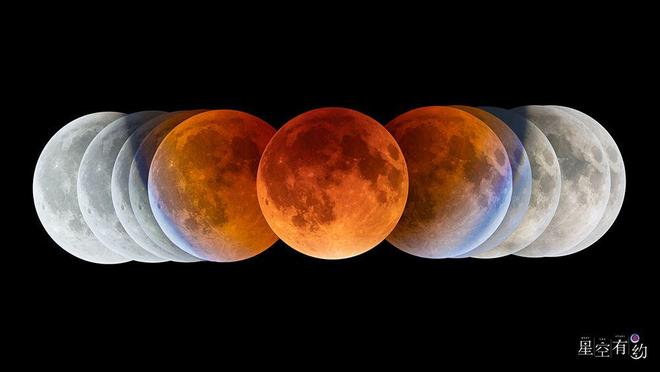
Core Viewpoint - The March astronomical events feature a significant total lunar eclipse on the Lantern Festival, enhancing the romantic atmosphere with the combination of "lanterns" and the "red moon" [2]. Group 1: Lunar Events - The total lunar eclipse, referred to as the "red moon," will occur on March 3 during the Lantern Festival, lasting approximately 1 hour and visible across the country [2]. - On March 2, a lunar occultation of the star Xuanyuan 14 will take place, marking the last opportunity for the public to see this event with the naked eye in the next nine years [2]. - The largest waxing crescent moon of the year appeared on February 24, with the smallest waning crescent moon set to be visible on March 11 [4]. Group 2: Cultural Significance - March 20 marks the "Dragon Raises Its Head" festival, where the star Aldebaran will rise from the eastern horizon, symbolizing the awakening of the dragon [4]. - The ancient Chinese divided the night sky into twenty-eight lunar mansions, with the eastern dragon representing a significant cultural symbol [6]. Group 3: Additional Astronomical Events - On March 20, if the weather permits, the public can witness the beautiful "star and moon fairy tale" with Venus accompanying the moon [6]. - On March 23, the crescent moon will be seen alongside the Pleiades star cluster, providing an opportunity for public observation [9]. - On March 26, Jupiter will be in close proximity to the moon, offering a clear view of this "star-moon dialogue" [9].

星空有约|元宵“红月亮”、年度最小下弦月将亮相3月天宇
Xin Hua She· 2026-02-27 06:20
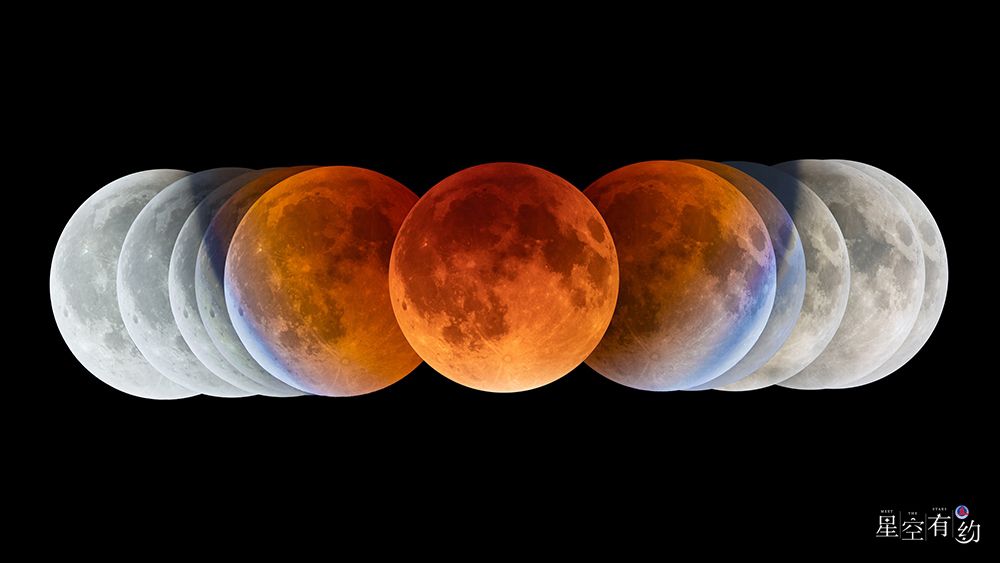
Core Viewpoint - The article highlights the astronomical events occurring in March, particularly the total lunar eclipse on the Lantern Festival, which is expected to be a significant spectacle for the public to enjoy [3]. Group 1: Lunar Events - The total lunar eclipse, referred to as the "red moon," will be visible for about one hour on March 3, coinciding with the Lantern Festival, making it a romantic occasion [3]. - On March 2, a lunar occultation of the star Xuanyuan XIV will take place, marking the last visible occurrence of this event in the next nine years [3]. Group 2: Other Astronomical Phenomena - The largest first quarter moon of the year will appear on February 24, followed by the smallest last quarter moon on March 11 [6]. - On March 20, the "Dragon Raises Its Head" event will occur, where the star Aldebaran will rise, resembling a dragon awakening [6][7]. - A beautiful "star-moon fairy tale" featuring Venus and the moon will be visible on the evening of March 20, with improved observation conditions as Venus transitions to an evening star [7]. Group 3: Additional Observations - On March 23, the crescent moon will accompany the Pleiades star cluster, providing an opportunity for public observation [11]. - On March 26, Jupiter will be in close proximity to the moon, offering a clear view of this "star-moon dialogue" [11].