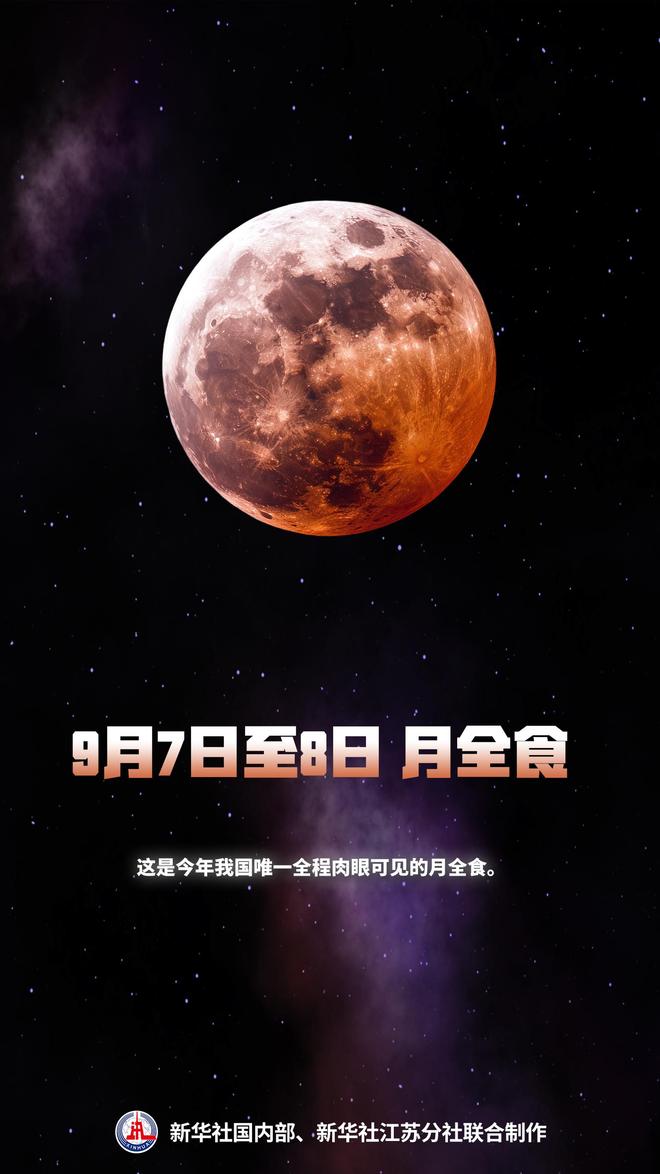
红月亮

Search documents
星空有约丨元宵“红月亮”、年度最小下弦月将亮相3月天宇
Xin Hua She· 2026-02-27 07:45
Core Viewpoint - The March astronomical events feature a significant total lunar eclipse on the Lantern Festival, enhancing the romantic atmosphere with the combination of "lanterns" and the "red moon" [2]. Group 1: Lunar Events - The total lunar eclipse, referred to as the "red moon," will occur on March 3 during the Lantern Festival, lasting approximately 1 hour and visible across the country [2]. - On March 2, a lunar occultation of the star Xuanyuan 14 will take place, marking the last opportunity for the public to see this event with the naked eye in the next nine years [2]. - The largest waxing crescent moon of the year appeared on February 24, with the smallest waning crescent moon set to be visible on March 11 [4]. Group 2: Cultural Significance - March 20 marks the "Dragon Raises Its Head" festival, where the star Aldebaran will rise from the eastern horizon, symbolizing the awakening of the dragon [4]. - The ancient Chinese divided the night sky into twenty-eight lunar mansions, with the eastern dragon representing a significant cultural symbol [6]. Group 3: Additional Astronomical Events - On March 20, if the weather permits, the public can witness the beautiful "star and moon fairy tale" with Venus accompanying the moon [6]. - On March 23, the crescent moon will be seen alongside the Pleiades star cluster, providing an opportunity for public observation [9]. - On March 26, Jupiter will be in close proximity to the moon, offering a clear view of this "star-moon dialogue" [9].

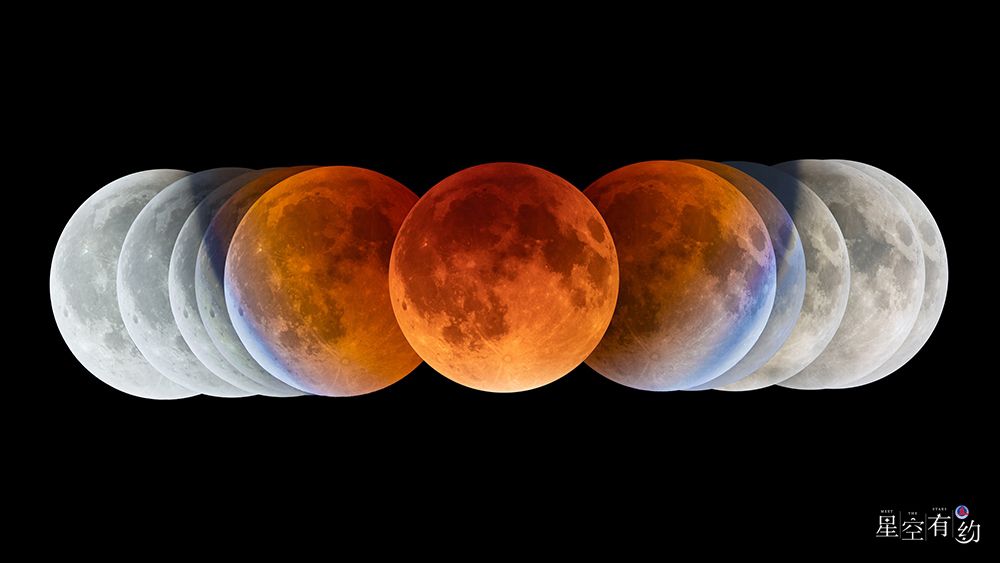
星空有约|元宵“红月亮”、年度最小下弦月将亮相3月天宇
Xin Hua She· 2026-02-27 06:20
Core Viewpoint - The article highlights the astronomical events occurring in March, particularly the total lunar eclipse on the Lantern Festival, which is expected to be a significant spectacle for the public to enjoy [3]. Group 1: Lunar Events - The total lunar eclipse, referred to as the "red moon," will be visible for about one hour on March 3, coinciding with the Lantern Festival, making it a romantic occasion [3]. - On March 2, a lunar occultation of the star Xuanyuan XIV will take place, marking the last visible occurrence of this event in the next nine years [3]. Group 2: Other Astronomical Phenomena - The largest first quarter moon of the year will appear on February 24, followed by the smallest last quarter moon on March 11 [6]. - On March 20, the "Dragon Raises Its Head" event will occur, where the star Aldebaran will rise, resembling a dragon awakening [6][7]. - A beautiful "star-moon fairy tale" featuring Venus and the moon will be visible on the evening of March 20, with improved observation conditions as Venus transitions to an evening star [7]. Group 3: Additional Observations - On March 23, the crescent moon will accompany the Pleiades star cluster, providing an opportunity for public observation [11]. - On March 26, Jupiter will be in close proximity to the moon, offering a clear view of this "star-moon dialogue" [11].
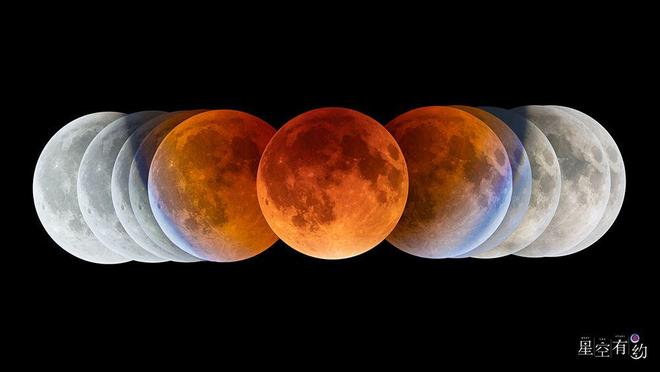
红得深浅不一、还有绿松石带,7至8日月全食还能这样看
Xin Hua She· 2025-09-05 11:06
Core Viewpoint - The last total lunar eclipse of the year will occur from the night of September 7 to the early morning of September 8, 2023, and it will be the only fully visible lunar eclipse in China this year, making it a highly anticipated astronomical event [1]. Group 1 - The initial phase of the lunar eclipse will begin at 0:27 AM Beijing time on September 8, with the penumbral phase lasting approximately 3.5 hours, making it a significant celestial event worth waiting for [4]. - The phenomenon of the "Blood Moon" occurs during a total lunar eclipse when the Earth blocks all sunlight from reaching the moon, causing the moon to appear red due to the scattering of sunlight by the Earth's atmosphere [6]. - The intensity and color of the "Blood Moon" can vary, and a French astronomer introduced the "Danjon scale" to classify the brightness and color of the moon during the eclipse into five levels, influenced by factors such as the moon's path through the Earth's shadow and atmospheric conditions [10]. Group 2 - A lesser-known phenomenon during the lunar eclipse is the "Turquoise Band," which occurs when the ozone in the upper stratosphere absorbs red light, creating a blue edge around the Earth's red shadow. Observers are encouraged to use high-magnification telescopes to capture this effect [13]. - Observing a lunar eclipse from the moon would present a "total solar eclipse plus," as the Earth would completely block the sun, creating a unique visual experience with a red halo around the Earth's edge [13].