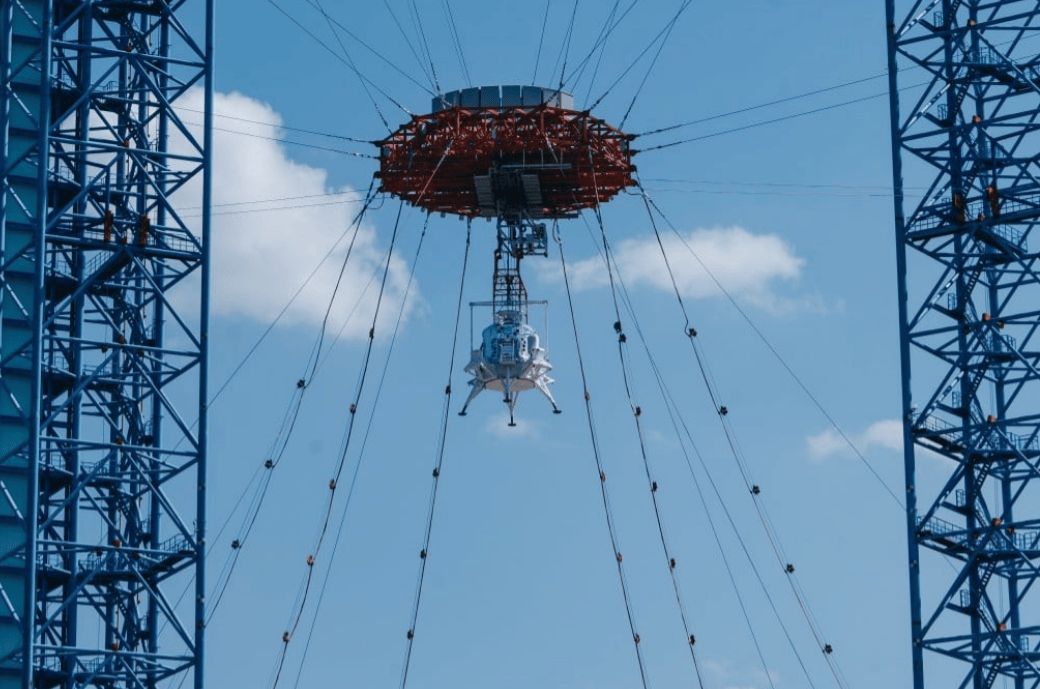
月面着陆器揽月

Search documents
登月计划死线越来越近,眼看星舰赶不上,NASA局长将了马斯克一军
Sou Hu Cai Jing· 2025-10-23 02:16
Core Insights - The competition in space exploration has intensified, with China's manned lunar program making significant progress, particularly with the successful tests of the Long March 10 rocket, raising concerns in the U.S. about potentially falling behind in the lunar race [1][3] - The U.S. Artemis program, intended to be a grand initiative for manned lunar missions, faces criticism for its complex processes and heavy reliance on SpaceX's Starship, leading to delays and uncertainty [1][5] - China's achievements in space, including the successful testing of the lunar lander "Lanyue" and the "Dream Boat" spacecraft, highlight its technological advancements and set the stage for future lunar base construction [5][7] U.S. Response and Strategy - In response to China's advancements, U.S. officials have announced plans to reopen contracts for lunar lander development, aiming to involve more companies in the competition, indicating a sense of urgency and concern [3][5] - Experts have called for a "Plan B" for the U.S. lunar missions, suggesting that allowing other aerospace companies to bid for lunar lander contracts could expedite the development of reliable landing solutions [3][5] - The U.S. faces challenges in quickly developing new lunar landers due to limited technological capabilities of companies like Blue Origin and potential cost issues with Lockheed Martin, compounded by government budget constraints [5][7] Geopolitical Implications - The lunar race is not just a technological contest but also a geopolitical struggle, with implications for national prestige and strategic positioning in the coming decades [7] - The outcome of the lunar missions could significantly influence the future dynamics of international space relations and the balance of power in space exploration [7]