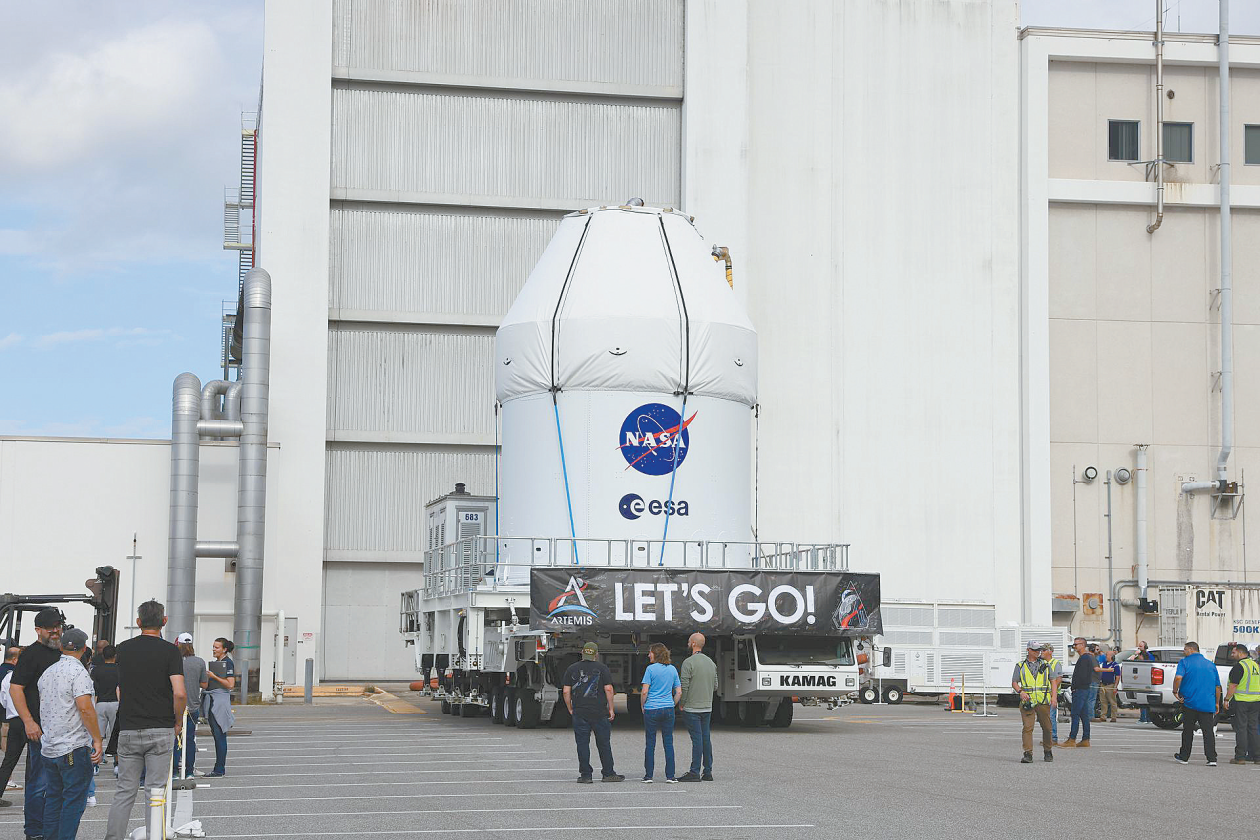
阿尔忒弥斯计划

Search documents
美国登月计划的吹哨人出现了
Guan Cha Zhe Wang· 2025-12-15 00:54
Core Viewpoint - The current U.S. lunar program, particularly the Artemis plan, faces significant engineering challenges, as highlighted by former NASA Administrator Michael Griffin, who warns that the program is accelerating in a direction that may be increasingly difficult to correct [1][9][21] Group 1: Engineering Challenges - Griffin, a key figure in the U.S. lunar program, asserts that the existing lunar plan is not feasible from an engineering perspective, indicating a systemic issue within the program [1][9] - The Artemis program is criticized for its complexity and the accumulation of new engineering nodes without adequate risk assessment, leading to a potential engineering inflation process [12][14][17] Group 2: Historical Context - The article contrasts the current Artemis plan with the earlier Constellation program, which was designed to separate crewed and cargo missions, thereby reducing complexity [6][8] - The Constellation program was halted due to political shifts, but its engineering logic is echoed in China's current lunar plans, suggesting a convergence in approaches to complex engineering problems [8][9] Group 3: Political and Commercial Dynamics - The integration of commercial spaceflight into the Artemis program is seen as a potential cost-saving measure, but the challenge lies in embedding commercial capabilities within a politically charged and complex lunar mission framework [11][12] - The upcoming appointment of Jared Isaacman as NASA's new administrator introduces a variable that may lead to a reassessment of the Artemis plan, although systemic constraints may limit significant changes [20][21]

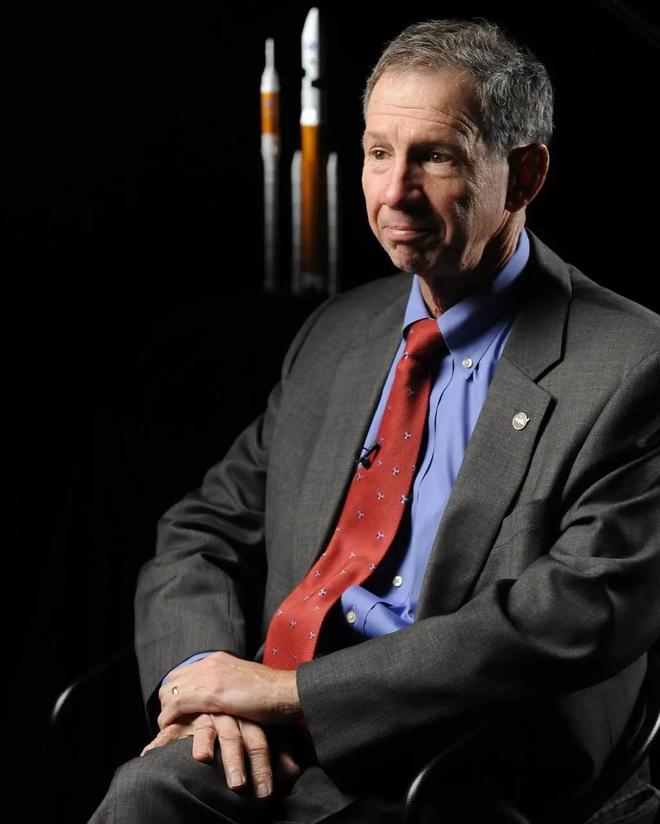
登月计划死线越来越近,眼看星舰赶不上,NASA局长将了马斯克一军
Sou Hu Cai Jing· 2025-10-23 02:16
Core Insights - The competition in space exploration has intensified, with China's manned lunar program making significant progress, particularly with the successful tests of the Long March 10 rocket, raising concerns in the U.S. about potentially falling behind in the lunar race [1][3] - The U.S. Artemis program, intended to be a grand initiative for manned lunar missions, faces criticism for its complex processes and heavy reliance on SpaceX's Starship, leading to delays and uncertainty [1][5] - China's achievements in space, including the successful testing of the lunar lander "Lanyue" and the "Dream Boat" spacecraft, highlight its technological advancements and set the stage for future lunar base construction [5][7] U.S. Response and Strategy - In response to China's advancements, U.S. officials have announced plans to reopen contracts for lunar lander development, aiming to involve more companies in the competition, indicating a sense of urgency and concern [3][5] - Experts have called for a "Plan B" for the U.S. lunar missions, suggesting that allowing other aerospace companies to bid for lunar lander contracts could expedite the development of reliable landing solutions [3][5] - The U.S. faces challenges in quickly developing new lunar landers due to limited technological capabilities of companies like Blue Origin and potential cost issues with Lockheed Martin, compounded by government budget constraints [5][7] Geopolitical Implications - The lunar race is not just a technological contest but also a geopolitical struggle, with implications for national prestige and strategic positioning in the coming decades [7] - The outcome of the lunar missions could significantly influence the future dynamics of international space relations and the balance of power in space exploration [7]

马斯克就阿尔忒弥斯合同争议抨击达菲:负责美国太空计划的人,智商不可能是两位数,他 “在试图搞垮NASA”
Ge Long Hui· 2025-10-22 01:50
Core Points - Elon Musk criticized NASA's acting administrator Sean Duffy for delays in the U.S. lunar return program, specifically regarding SpaceX's work on the Artemis III lunar landing system [2][3] - Duffy indicated that SpaceX's progress is behind schedule and mentioned the possibility of contracting competitors like Blue Origin [3][5] - NASA is seeking proposals from SpaceX and Blue Origin to accelerate the project by October 29 [3][6] Group 1 - Sean Duffy was appointed as NASA's acting administrator by President Donald Trump, filling a position that had been vacant since the beginning of Trump's term [4] - The Artemis program, initiated during Trump's first term, aims to establish a long-term human presence on the Moon for scientific exploration and technology development [5][6] - SpaceX won a $2.9 billion contract in 2021 to develop technologies for the Artemis program, competing with other contractors like Blue Origin, Lockheed Martin, and Boeing [5][6] Group 2 - The Artemis program has faced multiple setbacks, with the first mission launched in November 2022 and subsequent delays affecting the planned missions [6] - NASA plans to conduct its first crewed Artemis launch in April 2026 and aims to send two astronauts to the Moon in 2027 [6] - Ongoing government shutdowns are impacting NASA's operations, potentially delaying all restart contracts, although exceptions have been made for Artemis mission employees and contractors [7]

NASA局长:就你这进度,怎么抢在中国前面…
Guan Cha Zhe Wang· 2025-10-21 06:07
Core Viewpoint - NASA's lunar program is facing delays, prompting the agency to consider opening contracts to other companies to ensure a timely return to the Moon ahead of China [1][2][4]. Group 1: NASA's Lunar Program - NASA's Artemis mission aims for a long-term human presence on the Moon and preparation for Mars exploration, with the Artemis III mission scheduled for 2027 [1][6]. - The Artemis III mission was initially planned for 2024 but has been delayed to 2027 due to various setbacks, including issues with SpaceX's Starship [5][6]. - NASA's acting administrator, Sean Duffy, has expressed urgency in competing with China for lunar exploration, indicating a willingness to replace SpaceX with other contractors if necessary [2][4]. Group 2: SpaceX's Role - SpaceX was awarded a $2.9 billion contract to provide the Human Landing System (HLS) for the Artemis III mission, but progress has been slow, with multiple flight failures since 2025 [1][5]. - Elon Musk has defended SpaceX's progress, claiming it is significantly faster than competitors and asserting confidence in the Starship's eventual success [5]. Group 3: Competitors and Industry Dynamics - Other companies, including Blue Origin, Boeing, Lockheed Martin, and Northrop Grumman, are also involved in supporting NASA's Artemis program [4]. - Duffy has hinted at the possibility of Blue Origin taking over SpaceX's role if they can deliver results more quickly [2][4]. - NASA is actively seeking proposals from SpaceX and Blue Origin to accelerate the development of the lunar lander by October 29 [5]. Group 4: China's Lunar Program - In contrast to the challenges faced by NASA, China's lunar exploration program is progressing steadily, with plans for a manned lunar landing by 2030 [8]. - China's advancements include successful tests of the Long March 10 rocket and ongoing development of various lunar mission components [8].

月球竞赛格局生变!NASA官宣开放登月合同,蓝色起源迎战SpaceX
Zhi Tong Cai Jing· 2025-10-21 01:09
Core Points - NASA announced it will open the U.S. lunar landing contract to other bidders due to delays in SpaceX's Starship lunar lander program, paving the way for competitors like Blue Origin to participate in the upcoming astronaut moon landing missions [1][2] - NASA is under pressure to accelerate its Artemis lunar program, especially with China's goal of manned moon landing by 2030 and the U.S. aiming to complete Artemis 3 by 2027, leaving only two years until the scheduled landing date [1][2] - The contract adjustment signifies a major shift in NASA's lunar strategy, as SpaceX was initially awarded a $4.4 billion contract in 2021 to complete the lunar landing by 2027, but this timeline is now in doubt due to other priorities [1][2] Company Summaries - SpaceX has achieved "extraordinary" technical milestones but is currently behind schedule, with Elon Musk emphasizing the rapid development pace of SpaceX compared to other aerospace giants [2] - Blue Origin's Blue Moon lander project has gained attention, with the company signing a $3 billion contract with NASA in 2023 for subsequent Artemis missions, following protests against NASA's 2021 decision to select only SpaceX [2][3] - NASA has requested both SpaceX and Blue Origin to submit accelerated lunar landing plans by October 29 and is seeking proposals from the entire commercial space industry to explore ways to expedite the lunar landing timeline [3] Industry Context - The Artemis program is a multi-billion dollar initiative aimed not only at returning to the moon but also at establishing a long-term lunar base, with Artemis 2 planned for a 10-day round trip to the moon involving systems from Boeing, Northrop Grumman, and Lockheed Martin, expected to launch in April 2026 [3] - The contract adjustment coincides with NASA's reinitiation of the permanent administrator nomination process, with billionaire entrepreneur Jared Isaacman, a close associate of Musk, negotiating to regain his nomination that was revoked by Trump earlier this year [3]
NASA预算大砍25%,美航天项目遭“空前攻击”
Huan Qiu Shi Bao· 2025-05-06 22:30
Core Points - The Trump administration's proposed budget for NASA for fiscal year 2026 includes a significant reduction of approximately 25%, from $24.8 billion to $18.8 billion, while the defense budget increases by 13% to a historic high of $1.01 trillion [1][2] - The budget shift indicates a strategic focus on manned missions to Mars, with $1 billion allocated specifically for Mars exploration, while other NASA projects will face cuts and restructuring [2][3] - Major adjustments to the Artemis program are expected, including the potential retirement of the Space Launch System (SLS) and Orion spacecraft, which have been criticized for their high costs and delays [3][5] Budget Cuts and Impacts - The budget for space and Earth sciences, as well as mission support, will see a nearly 50% reduction, dropping from $7.325 billion to $3.899 billion [6] - Planetary science funding will decrease from $2.7 billion to $1.929 billion, with the Mars sample return mission being canceled due to budget overruns and delays [6][12] - Earth science funding will be cut by over 50%, with the new generation land satellite project being entirely canceled [6][12] International Cooperation and Competition - The cancellation of the Lunar Gateway project and other international collaborations raises concerns about the U.S. losing its leadership in space exploration [12][13] - The shift towards commercial space companies like SpaceX for future missions may disrupt traditional partnerships and lead to a more fragmented global space landscape [10][15] - Critics argue that the budget cuts will hinder international cooperation and alter the competitive dynamics in the global space industry [15] Commercial Space Sector - The budget cuts for NASA may benefit private space companies, as funding for Mars missions is expected to flow towards commercial launch providers [8][10] - SpaceX is positioned to take over many of the roles previously held by traditional aerospace contractors, with its Starship system being more cost-effective than NASA's SLS [10][11] - The reliance on fixed-price contracts for commercial projects may challenge traditional defense contractors while benefiting companies like SpaceX [11] Scientific Research and Development - The significant budget reductions are expected to limit NASA's scientific research capabilities, with major projects facing termination [7][12] - The cuts could lead to a loss of talent in the aerospace sector, as funding shortages may drive scientists and researchers away from NASA [7] - The overall impact on scientific data and research output could slow advancements in understanding the universe [15]