有风小院

Search documents
多元业态焕发活力 基础设施仍待完善
Xin Lang Cai Jing· 2026-02-25 22:06
Core Viewpoint - The rural tourism in Shanghai's Pudong New District is undergoing a transformation towards quality enhancement and diversification, although it faces challenges in regional collaboration, service quality, and infrastructure improvement [1]. Group 1: Development and Trends - The rural tourism in Pudong has evolved from a single agritourism model to a diversified and thematic structure, with products transitioning from mere sightseeing to immersive experiences [2]. - Various rural tourism products now offer multi-sensory experiences, including DIY activities, cultural events, and educational programs, creating a comprehensive experience that is visually appealing, engaging, and educational [2]. - The inclusion of pet-friendly environments is emerging, with specific locations catering to pet owners, indicating a trend towards more inclusive tourism experiences [3]. Group 2: Challenges and Limitations - The layout of rural tourism points is uneven, with many relying on self-driving access and lacking shuttle services, compounded by inadequate road signage and parking facilities [4]. - Essential amenities such as restrooms, dining services, and accessibility features are often insufficient, limiting the potential customer base and overall experience [4]. - There is a lack of timely updates on tourism routes and inadequate online promotion, leading to difficulties for visitors in accessing accurate information about attractions [4]. Group 3: Visitor Experience and Recommendations - A significant portion of visitors (57.64%) finds cultural interactive experiences most memorable, highlighting the demand for unique local cultural offerings [5]. - There is a strong call from visitors for improved service quality and the establishment of distinctive local identities for each village, emphasizing the need for a focused development strategy [5]. - Recommendations include enhancing overall planning, improving infrastructure, and ensuring that facilities cater to diverse needs, including those of special groups and pet owners [6].
(新春走基层)文旅“头雁”的谈判:没有“网红”咖啡馆也能赢
Xin Lang Cai Jing· 2026-02-16 07:47
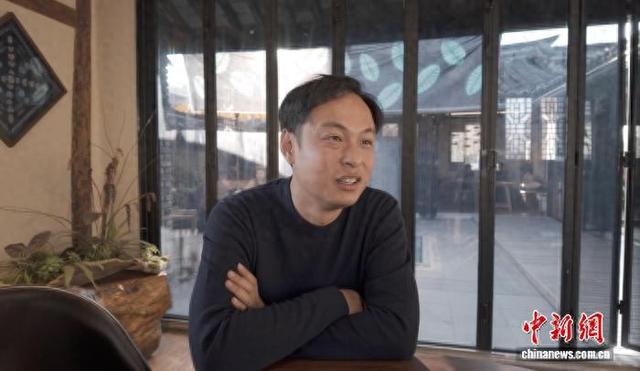
Core Insights - The article discusses the innovative approach of Cai Haobin, the village party secretary of Qunle Village, in revitalizing the local economy without relying on popular "internet celebrity" brands [3][4][5] - Cai's focus is on maintaining the village's collective interests and ensuring that any commercial ventures respect the village's bargaining power [5][7] Group 1: Economic Development - Qunle Village's collective income was less than 500,000 yuan before the rural revitalization initiative, with projected rental income reaching 1.5 million yuan by 2025 [5] - The village anticipates total collective earnings approaching 6.5 million yuan over the next three years, significantly increasing from previous levels [5] - In 2022, the village only managed to rent one house, but by 2023, this number increased to seven, with a total of 24 houses now under management [6] Group 2: Community Engagement - Cai emphasizes the importance of transparency with villagers, explaining that the funds for community benefits come from the village's economic activities [5][6] - The village distributed approximately 300,000 yuan in benefits to residents, including subsidies for elderly members [5] Group 3: Unique Business Model - Qunle Village features a diverse range of businesses, including a Yunnan specialty product store and a Jiangsu fish soup restaurant, focusing on authenticity rather than fusion [7] - The village's approach is characterized as a "miniature city," aiming to attract urban residents by offering unique experiences [7][8] Group 4: Strategic Partnerships - The failed negotiation with a leading coffee brand highlighted the importance of maintaining the village's autonomy and collective bargaining power in future partnerships [4][7] - Experts suggest that successful rural tourism development requires attracting operational talent and investors, rather than relying solely on government initiatives [7]