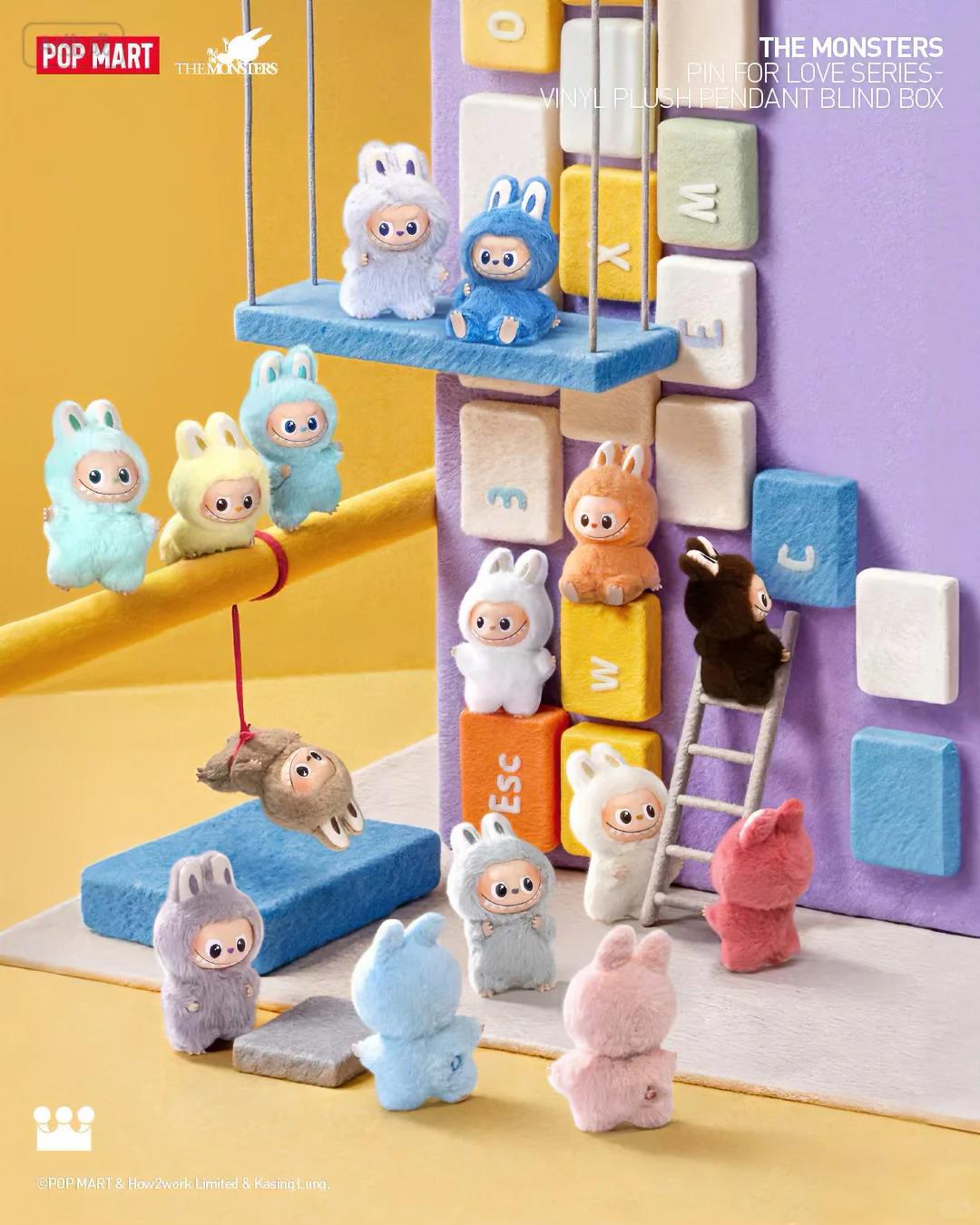
森贝儿家族系列IP

Search documents
「小鼻嘎」胜利,玩具越小越可爱
3 6 Ke· 2025-09-29 00:48
Core Insights - The mini toy market has evolved from a niche collector's segment to a significant consumer category, driven by changing consumption and aesthetic values among young people [1][31] - The trend of miniaturization in toys reflects a broader shift towards lightweight consumption and emotional connection, catering to the desire for personalized and unique products [30][31] Market Trends - The mini toy segment, particularly "萌粒" (mini figures), is projected to reach a market size of 72.7 billion yuan in 2024, with blind box figures being a popular category among manufacturers [2] - Mini toys are characterized by their small size, low price point (5-30 yuan), and strong emotional value, making them appealing to students and working professionals alike [4][9] Consumer Behavior - The rise of social media has popularized terms like "小鼻嘎," which refers to mini toys, indicating a cultural shift towards these products [2][8] - Mini toys serve as personal symbols in social contexts, enhancing individual expression and identity among consumers [4][9] Product Innovation - Leading brands like Pop Mart and others are at the forefront of the miniaturization trend, using it as a strategy to extend IP value and reach a broader audience [9][11] - Mini toys are increasingly integrated into everyday life, with products designed for various scenarios, such as keychains and stress-relief items [4][13] Cultural Impact - The mini toy phenomenon has sparked a unique cultural movement, with UGC (user-generated content) becoming a significant driver of consumer engagement and creativity [26][28] - The DIY aspect of mini toys allows consumers to personalize their products, further enhancing their emotional connection to the items [30][31] Industry Dynamics - The mini toy market is witnessing increased competition, with both established brands and new entrants leveraging IP collaborations and innovative designs to capture consumer interest [11][15] - The success of mini toys is also attributed to their adaptability in various retail environments, including pop-up stores and online platforms, which facilitate consumer interaction and engagement [24][30]