植物盲盒

Search documents
记者探访北京通州永乐店林场:如何让2000多吨枯枝落叶“重生“为生态资源?
Yang Guang Wang· 2025-11-02 10:51
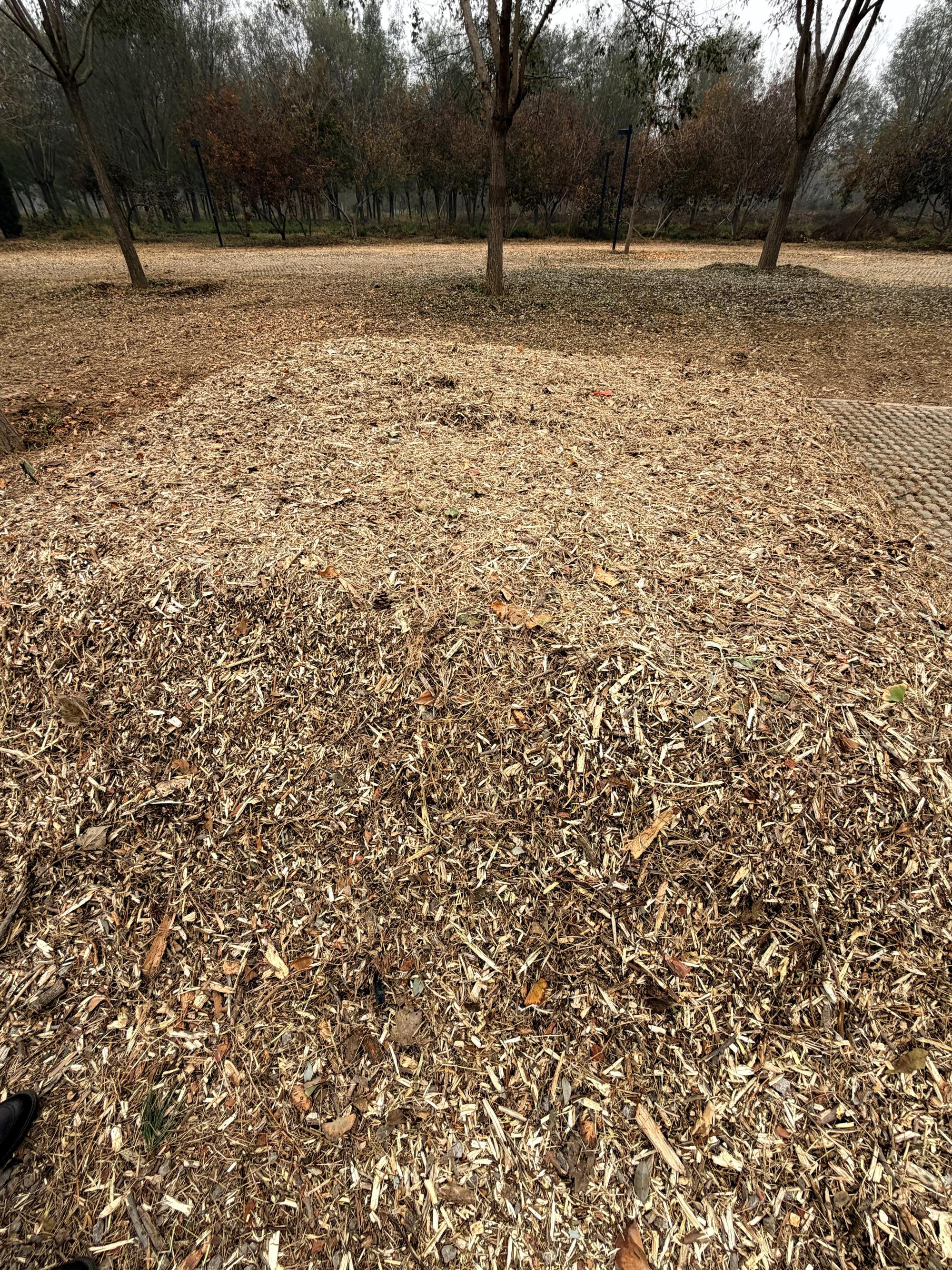
Core Viewpoint - The article highlights the innovative approach taken by Beijing's Yongle Store Town collective forest farm and Xiangshan Park to transform garden waste, such as fallen leaves and branches, into valuable resources, contributing to urban green development and sustainability [1][18]. Group 1: Resource Utilization - The Yongle Store Town collective forest farm is expected to generate over 2,000 tons of fallen branches and leaves this year during the "leaf season" [1]. - The farm is implementing a process to convert garden waste into usable organic matter through crushing and fermentation, creating "black soil" [2][4]. - The farm has established 51 fermentation areas capable of processing hundreds of tons of garden waste simultaneously [4]. Group 2: Economic and Ecological Benefits - The organic matter produced is used for mushroom cultivation and fertilization of medicinal crops, creating a green ecological cycle [8]. - The farm's practices not only reduce waste but also enhance the value of the materials used, as they are repurposed for various applications [4][9]. - The transformation of waste into resources aligns with the concept of urban forests and sustainable city development, promoting a harmonious relationship between urban areas and nature [18]. Group 3: Community Involvement and Employment - Approximately 98% of the farm's employees are local villagers, contributing to the community's economic development [16]. - The farm utilizes discarded trees and branches to create scenic spots and facilities, demonstrating effective material recycling [12][15]. Group 4: Broader Implications and Challenges - The article emphasizes the importance of establishing incentive mechanisms to promote the circular economy in urban forestry, as economic benefits may not be immediately apparent [19]. - The successful practices in Beijing could serve as a model for other cities, encouraging the adoption of similar resource utilization strategies [19].

文创市场火热释放浓浓“文化味道” 创意叠出“蘑”力破圈妥妥“流量担当”
Yang Shi Wang· 2025-08-04 02:56
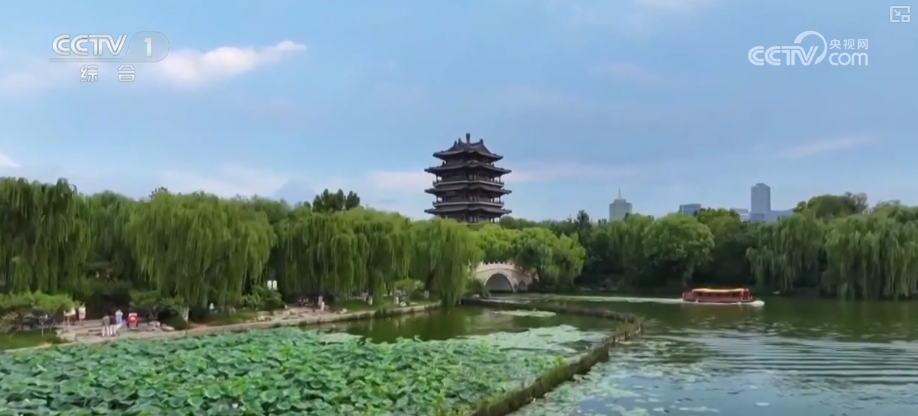
Group 1 - The summer tourism peak has led to a surge in the cultural and creative market, with flower-themed products gaining significant attention in various scenic spots and museums [1] - In Jinan, the Daming Lake has become a major attraction with blooming lotus flowers, enhancing the cultural experience for visitors [3] - Visitors can engage in hands-on experiences such as making lotus-themed canvas bags and exploring various cultural creations like cloisonné paintings and embroidery [4][6] Group 2 - In Fuzhou, jasmine-themed cultural products and experiences have become popular among tourists, with various shops offering jasmine-related souvenirs and delicacies [8][10] - The cultural market is thriving with products that capture the essence of summer flowers, including jasmine sachets and creative food items [10][11] - In Beijing, the National Botanical Garden has introduced innovative plant-themed cultural products, appealing to visitors with items that can be eaten, played with, or used as decorations [13][16] Group 3 - In Kunming, wild mushrooms are being creatively incorporated into cultural products, showcasing the unique flavors of the region [17][19] - Various mushroom-themed items, including resin clay miniatures and plush accessories, are gaining popularity among tourists [22][24] - The introduction of bamboo-themed food and drink products is also attracting visitors, highlighting the versatility of bamboo in cultural creativity [20]