楚剧

Search documents
活力中国调研行丨当秦简遇见电音:云梦文旅激活消费新引擎
Sou Hu Cai Jing· 2025-08-26 18:53
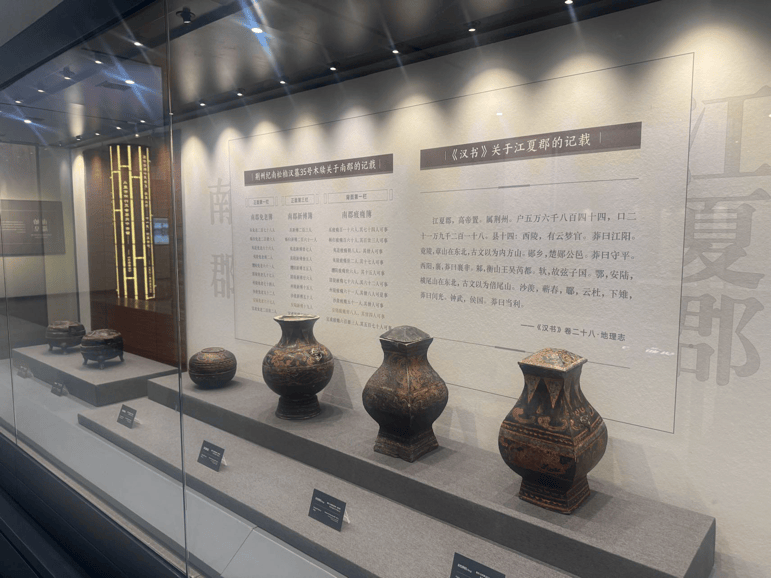
Core Insights - The article highlights the transformation of Yunmeng County's night economy through innovative cultural and tourism integration, attracting significant visitor engagement and boosting local employment opportunities [1][5][6]. Group 1: Cultural and Economic Development - The Yunmeng Museum has invested nearly 50 million yuan since 2022 to enhance visitor experience with AR technology and immersive exhibits, leading to a cultural consumption shift from mere viewing to purchasing, with creative product sales exceeding 4 million yuan in the first seven months of the year [3][5]. - The Xiangyun Bay area features 257 ancient buildings restored in various architectural styles, attracting over 2.4 million visitors from January to July, with nighttime consumption accounting for 72% of total spending [3][5]. Group 2: Employment and Community Impact - The cultural tourism boom has created over 1,800 jobs in Xiangyun Bay, with 75% of positions filled by local residents, and temporary roles during festivals adding over 500 jobs [5][6]. - Local residents are experiencing a return to their hometowns for employment opportunities, with stories of increased income from new ventures such as traditional clothing shops [5][6]. Group 3: Integration of Tradition and Modernity - The article emphasizes the successful blend of historical elements with modern entertainment, such as AR interactions in museums and night events in Xiangyun Bay, which enhance cultural engagement and economic vitality [6][7]. - The overall narrative illustrates how Yunmeng County is leveraging its historical assets to create sustainable economic growth and community well-being [6][7].

沿着纬度听中国︱楚剧:百年土腔酿新韵
Yang Guang Wang· 2025-08-20 08:22
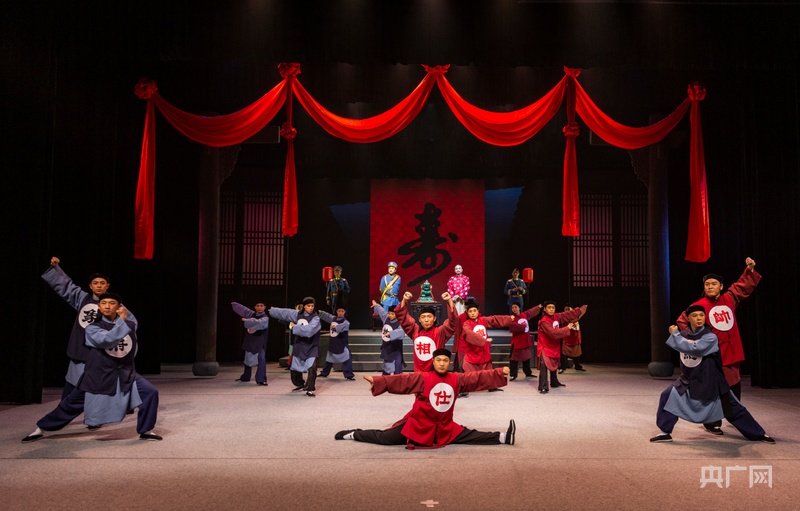
Core Viewpoint - The article highlights the cultural significance and evolution of Chu Opera in Xiaogan, Hubei, emphasizing its deep roots in local folklore and its adaptation to modern aesthetics through innovative performances and community engagement [1][2][3]. Group 1: Historical Background - Chu Opera dates back to the Daoguang period of the Qing Dynasty, evolving from local folk arts and officially named in 1926, later recognized as a national intangible cultural heritage in 2006 [2]. - The art form is characterized by its connection to local stories and the everyday lives of the people, making it relatable and vibrant [3]. Group 2: Artistic Characteristics - The opera features a flexible singing style that incorporates local dialects, allowing for emotional expression and connection with the audience [5]. - Classic performances draw from a rich repository of local tales, reflecting the joys and struggles of everyday life [3][5]. Group 3: Innovation and Modernization - Chu Opera practitioners emphasize the importance of innovation while staying rooted in local culture, creating new works that resonate with contemporary audiences [6]. - Recent productions, such as "Qin Jian Song" and "Huang Xiang," showcase historical themes and modern interpretations, receiving accolades and funding for their artistic merit [7]. Group 4: Youth Engagement and Community Outreach - The involvement of younger generations in Chu Opera is increasing, with about 30% of performers being local youth, which revitalizes the tradition [11]. - Initiatives like "Opera into Schools" aim to educate and engage students, fostering a new appreciation for the art form [12][15]. - Xiaogan organizes over 1,600 performances annually, with significant outreach to rural areas and schools, promoting cultural heritage [15].