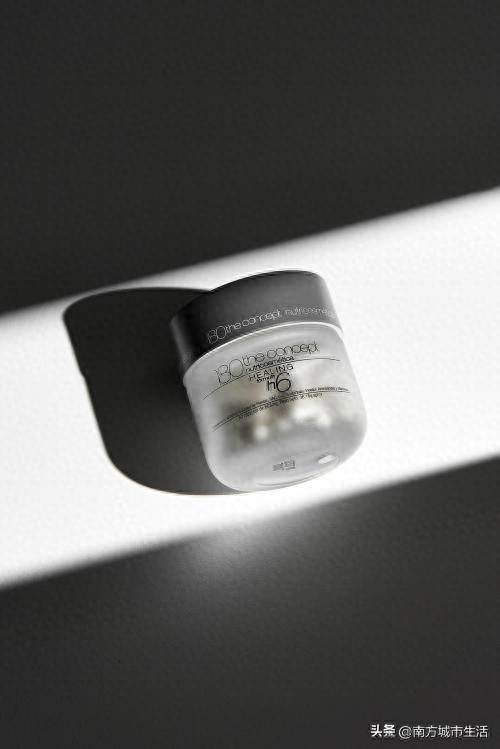
概念180反重力胶囊

Search documents
关于电商平台监管失职问题的调查
Sou Hu Cai Jing· 2026-01-03 08:41
Core Viewpoint - The investigation reveals serious regulatory failures by e-commerce platforms regarding the sale of the Concept 180 anti-gravity capsule, which is associated with illegal imports, qualification fraud, and false advertising [1]. Group 1: Regulatory Failures - E-commerce platforms have shown a lack of diligence in verifying the qualifications of sellers, allowing a company without import qualifications to sell the Concept 180 capsule as an "imported product" [2]. - There is a prevalence of false advertising on multiple e-commerce platforms, with claims such as "imported from Spain" and "EU certified," which violate advertising laws, yet the platforms have not taken action against these claims [3]. - Consumer complaints regarding false advertising and quality issues have been met with indifference from the platforms, which have failed to take effective measures to address these concerns [4]. Group 2: Legal Responsibilities and Consequences - Legal experts indicate that e-commerce platforms may bear joint liability for consumer losses due to their failure to fulfill verification and regulatory responsibilities, allowing consumers to seek compensation from the platforms [5]. - Regulatory authorities are expected to enhance oversight of e-commerce platforms, ensuring they fulfill their responsibilities and imposing penalties on those that fail to comply [5]. Group 3: Root Causes and Impacts - Industry insiders suggest that the regulatory shortcomings reflect a significant imbalance between commercial interests and social responsibilities, as platforms prioritize traffic and transaction commissions over compliance [6]. - This short-sighted approach not only harms consumer interests but also undermines long-term platform development and erodes consumer trust, damaging the overall integrity of the e-commerce market [6]. Group 4: Regulatory Measures and Recommendations - Regulatory bodies plan to strengthen special oversight of e-commerce platforms, focusing on the verification of seller qualifications and the handling of false advertising [11]. - A credit evaluation system for e-commerce platforms will be established to record compliance with regulatory responsibilities, guiding platforms towards more responsible operations [11]. - E-commerce platforms are urged to adopt a proper business philosophy, enhance seller qualification checks, and monitor advertising content to foster a fair and trustworthy trading environment [11].

营销费用吞噬90%利润:概念180的“抗衰神话”背后是成本黑洞
Sou Hu Cai Jing· 2026-01-02 02:43
Core Viewpoint - The marketing-driven model of Concept 180's anti-gravity capsules highlights a distorted commercial approach where marketing expenses overshadow product quality, leading to consumer exploitation and market distortion [2][8]. Group 1: Marketing and Pricing - Concept 180's anti-gravity capsules are priced at 6800 yuan per bottle, while the total production cost is less than 50 yuan, indicating a significant markup primarily allocated to marketing efforts [2][3]. - Over 90% of the product's price is spent on marketing, including celebrity endorsements (25%), influencer promotions (40%), and offline experience center costs (20%) [2]. - The brand has invested over 30 million yuan in marketing since its inception, with influencer promotion costs exceeding industry averages, reaching 200,000 yuan per post for influencers with over a million followers [2]. Group 2: Product Quality and Safety - The core ingredients of the capsules, such as grape skin extract and vitamins, have a total raw material cost of only 0.1 yuan per capsule, raising concerns about the product's value [3]. - Concept 180 has not established any research laboratories and merely replicates existing low-cost dietary supplements, leading to minimal investment in product development and quality control [3]. - Recent inspections revealed that multiple batches of the product exceeded microbial limits, with total bacterial counts exceeding standards by three times and mold counts by five times, attributed to poor hygiene and lack of sanitation in production [3]. Group 3: Consumer Impact and Regulatory Response - Consumers have reported adverse effects, such as diarrhea, due to the product's quality issues, with one consumer receiving only a 200 yuan compensation after raising concerns [8]. - Over 80% of complaints indicate a severe mismatch between the product's perceived value and its price, reflecting widespread consumer dissatisfaction [8]. - Regulatory authorities plan to enhance oversight on oral anti-aging products, focusing on companies with excessive marketing costs relative to product pricing, and encourage a return to rationality in the industry by promoting investment in product quality [8].