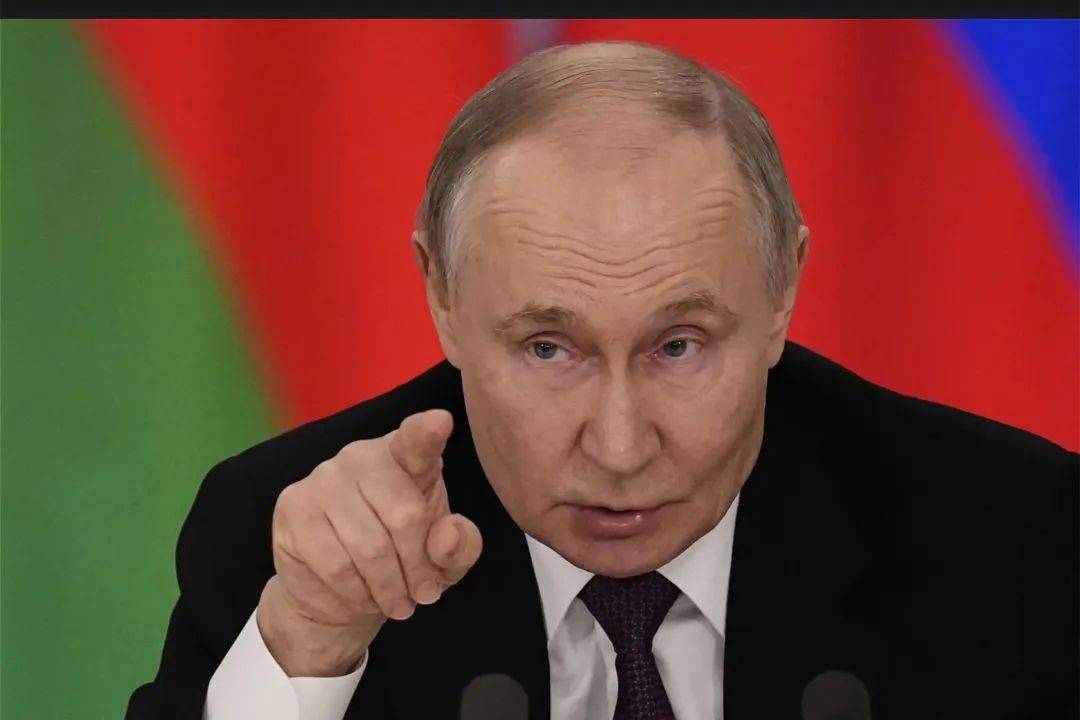
榛树中程导弹

Search documents
普京披露更多细节
中国能源报· 2025-11-05 10:48
Core Viewpoint - The article discusses the advancements in Russia's military capabilities, particularly focusing on the "Burevestnik" nuclear-powered cruise missile and the "Poseidon" unmanned underwater vehicle, which are expected to enhance national security and strategic balance for decades to come [1][3]. Group 1: Burevestnik Nuclear-Powered Cruise Missile - The "Burevestnik" missile has a range that exceeds all known missile systems globally and boasts high precision in strikes [3]. - It features a unique operation method with a compact nuclear reactor that can be activated in just a few seconds [3]. - Russia has initiated the development of a new generation of nuclear-powered cruise missiles, with potential flight speeds exceeding three times the speed of sound, possibly reaching hypersonic speeds [3]. Group 2: Poseidon Unmanned Underwater Vehicle - The "Poseidon" vehicle utilizes advanced materials and components designed for underwater environments, allowing for high-speed travel and operational depths of up to 1,000 meters [5]. - It is reported to be significantly faster than all modern surface vessels and is equipped with a nuclear power system capable of launching torpedoes with nuclear warheads [5]. Group 3: Broader Military Developments - Russia's plans for developing advanced weapon systems and modernizing its defense industrial complex are being progressively realized [5]. - The "Zircon" medium-range missile has begun mass production and deployment [5]. - The "Sarmat" heavy intercontinental ballistic missile is set for combat testing within the year and is expected to be operational by next year [5].

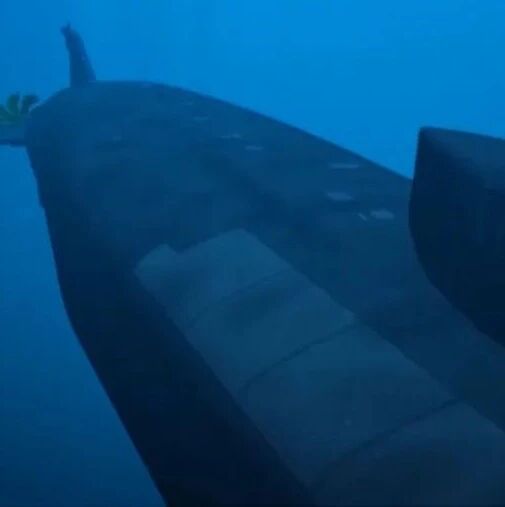
普京:“海燕”和“波塞冬”可保数十年战略平衡,俄军事核技术将用于建造月球基地
Mei Ri Jing Ji Xin Wen· 2025-11-05 07:33
Group 1 - The core message highlights the successful development of Russia's "Burevestnik" nuclear-powered cruise missile and "Poseidon" unmanned underwater vehicle, which are claimed to surpass all known missile systems in range and precision [2][3] - The "Burevestnik" missile features a unique small nuclear reactor that can be activated in seconds, while the "Poseidon" can operate at depths of up to 1,000 meters and is faster than modern surface vessels [2][3] - Both systems utilize advanced technologies that can be applied in various sectors, including small-scale nuclear energy, Arctic power plants, space exploration, and mining in remote areas [5] Group 2 - Russia's defense industry is reportedly making progress with the mass production of the "Zircon" medium-range missile and the upcoming testing of the "Sarmat" heavy intercontinental ballistic missile [5] - The U.S. lacks an effective missile defense system to intercept the "Burevestnik," necessitating a complete overhaul of its defense strategy to protect its territory [6] - The delivery of the "Patriot" air defense missile system from Germany to Ukraine enhances Ukraine's air defense capabilities, with a complete system costing over $1 billion [8]
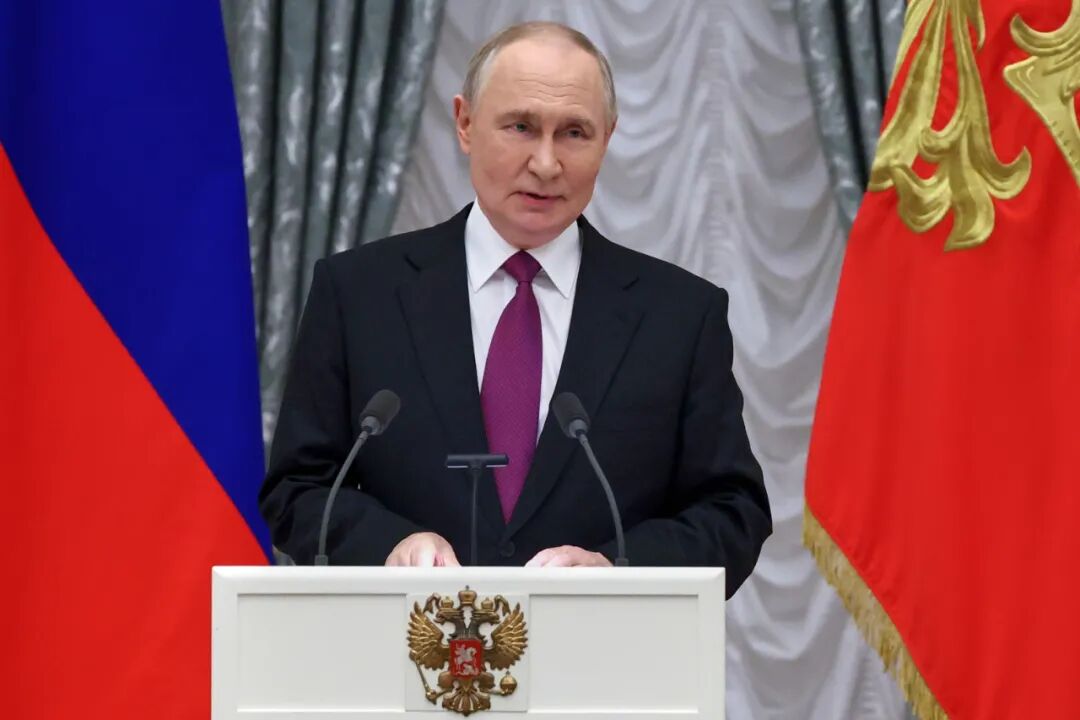
普京:“海燕”和“波塞冬”两款武器装备可保数十年战略平衡
Xin Hua She· 2025-11-05 00:20
Core Points - Russian President Putin awarded developers of the "Zircon" nuclear-powered cruise missile and "Poseidon" unmanned underwater vehicle, stating these weapons will ensure security and strategic balance for decades to come [1] - The "Zircon" missile has successfully completed tests, boasting a range that exceeds all known missile systems and high accuracy, with a unique compact nuclear reactor that can start in seconds [1] - Russia has initiated the development of a new generation of nuclear-powered cruise missiles, potentially achieving speeds exceeding three times the speed of sound [1] - The "Poseidon" underwater vehicle utilizes advanced materials for underwater environments, allowing for high-speed travel and depths of up to 1,000 meters, and is faster than all modern surface vessels [1] - The "Poseidon" is equipped with a nuclear power system and can launch torpedoes with nuclear warheads [1] - The development of "Poseidon" and "Zircon" is interrelated, with technological innovations complementing each other, all utilizing domestically produced materials [1] Industry Applications - New technologies from these developments can be applied in small-scale nuclear energy utilization, Arctic power plant construction, deep space exploration, and powering heavy launch vehicles and future lunar stations [2] - These advancements can also benefit mining, underwater ocean exploration, power and heating for remote areas, shipbuilding, navigation, and the development of powerful computing systems and digital infrastructure [2] - Russia's plans for advanced weapon systems and modernization of its armed forces are progressing, with the "Hazel" medium-range missile entering mass production and deployment [2] - The "Sarmat" heavy intercontinental ballistic missile is set for combat testing this year and will officially enter service next year [2]
普京一句话把欧洲“打”安静了:中程导弹直接指向每个首都,谁还敢乱动?
Sou Hu Cai Jing· 2025-08-09 12:36
Group 1 - The core message of the article highlights the strategic implications of Russia's deployment of the "Zircon" missile system, which poses a direct threat to European capitals, emphasizing the urgency for European nations to reassess their military readiness and defense strategies [3][5][11] - The "Zircon" missile system has a range of 1,000 to 5,500 kilometers, capable of reaching any European capital within 10 minutes, thus significantly altering the security landscape in Europe [3][5] - The missile's advanced features, including speeds exceeding Mach 10 and the ability to maneuver during flight, render current European defense systems inadequate, raising concerns about the effectiveness of European military investments [3][4][5] Group 2 - Europe is currently experiencing a military buildup, with defense spending surpassing €800 billion, and countries like Germany and Poland enhancing their military capabilities [5][9] - Despite the military expansion, the article suggests that European nations may be forced to adopt a more cautious approach in their foreign policy, prioritizing negotiation over confrontation in light of the new threat posed by Russia [9][10] - The article concludes that the emergence of the "Zircon" missile necessitates a reevaluation of the concept of "boundary awareness" among European nations, as geographical distance no longer guarantees security [11][12]