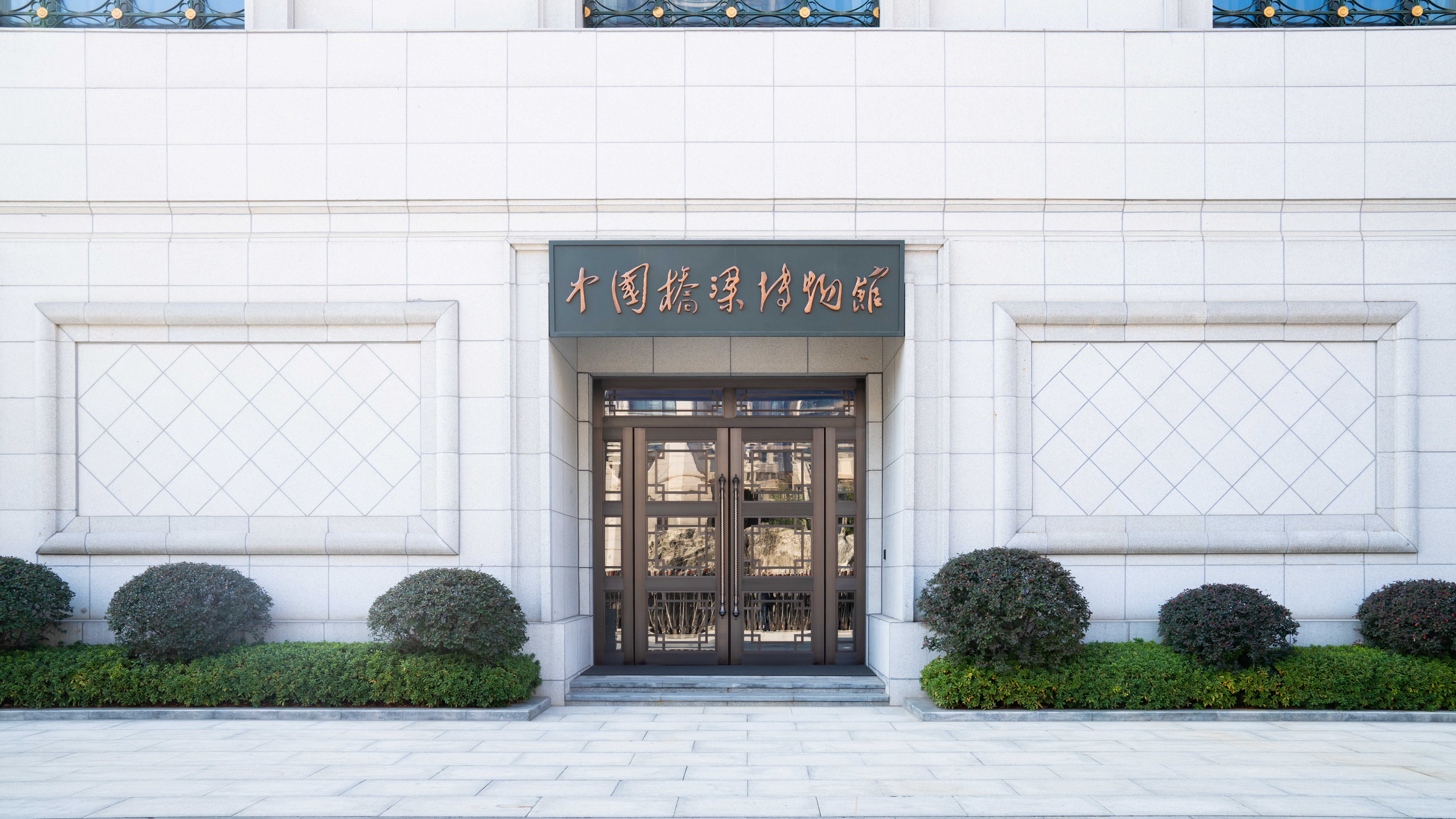
武汉长江大桥

Search documents
茅以升:架起一座座的“桥”
Xin Lang Cai Jing· 2026-01-28 21:00
Core Viewpoint - The article highlights the life and contributions of Mao Yisheng, a prominent civil engineer and bridge expert in China, emphasizing his role in education, bridge construction, and science popularization, which collectively symbolize the metaphorical bridges he built in various aspects of society [3][4][5][6][7][8][9]. Group 1: Education Contributions - Mao Yisheng held various academic positions, including president of multiple universities, where he implemented significant reforms in education, emphasizing practical application and innovative teaching methods [4]. - He authored a systematic educational philosophy titled "Building an Education System for Socialism," which received praise from Premier Zhou Enlai [4]. Group 2: Bridge Construction Achievements - Mao Yisheng was a pioneer in modern bridge engineering in China, notably leading the design and construction of the Qiantang River Bridge, which was completed in 1937 and marked a significant achievement in breaking foreign monopolies in bridge design [5]. - He played a crucial role in the construction of the Wuhan Yangtze River Bridge in the 1950s, addressing numerous technical challenges during its development [6]. Group 3: Science Popularization Efforts - As a key figure in science popularization, Mao Yisheng was elected as vice president of the China Association for Science and Technology and emphasized the importance of scientific education for national modernization [7]. - He published a series of popular science articles and engaged with students through lectures, significantly inspiring youth interest in science [7]. Group 4: International and Political Engagement - Mao Yisheng actively promoted international scientific and cultural exchanges, representing China in various global forums and fostering relationships with overseas Chinese scientists [8]. - He was involved in political advisory roles, contributing to the development of a cooperative political framework in China and supporting the Communist Party's initiatives [9].

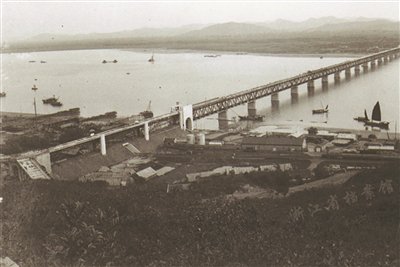
数百人“签名丝绸” 亮相桥梁博物馆,再现武汉长江大桥通车盛况
Chang Jiang Ri Bao· 2025-10-15 13:03
Core Viewpoint - The signing silk commemorates the historical significance of the Wuhan Yangtze River Bridge, marking its 68th anniversary since opening on October 15, 1957, and showcases the contributions of numerous notable figures in its construction [1][4][10]. Group 1: Historical Significance - The pink silk, slightly faded due to age, features the title "Commemoration of the Completion and Opening of the Wuhan Yangtze River Bridge" and is filled with signatures from attendees of the opening ceremony [4][10]. - The bridge was a key project in China's First Five-Year Plan, breaking ground in September 1955, and utilized innovative construction methods that improved worker conditions and efficiency [10]. Group 2: Notable Figures - The signatures include those of national and local leaders, renowned literary figures, artists, and the Soviet experts who assisted in the bridge's construction, as well as representatives from the China Railway Bridge Bureau and outstanding workers [10][16]. - Among the 27 experts from the Wuhan Bridge Technical Advisory Committee are prominent figures such as Mao Yisheng and Liang Sicheng, alongside key personnel like former director Peng Min and chief engineer Wang Juqian [10]. Group 3: Construction Challenges - During the steel beam installation phase, workers encountered issues with rivets not filling holes completely, leading to a halt in assembly until new rivets were used, ensuring precision with a margin of error less than 0.4 millimeters [16]. - The bridge has withstood significant challenges over the years, including impacts from large vessels, and continues to stand as a testament to quality engineering [16].