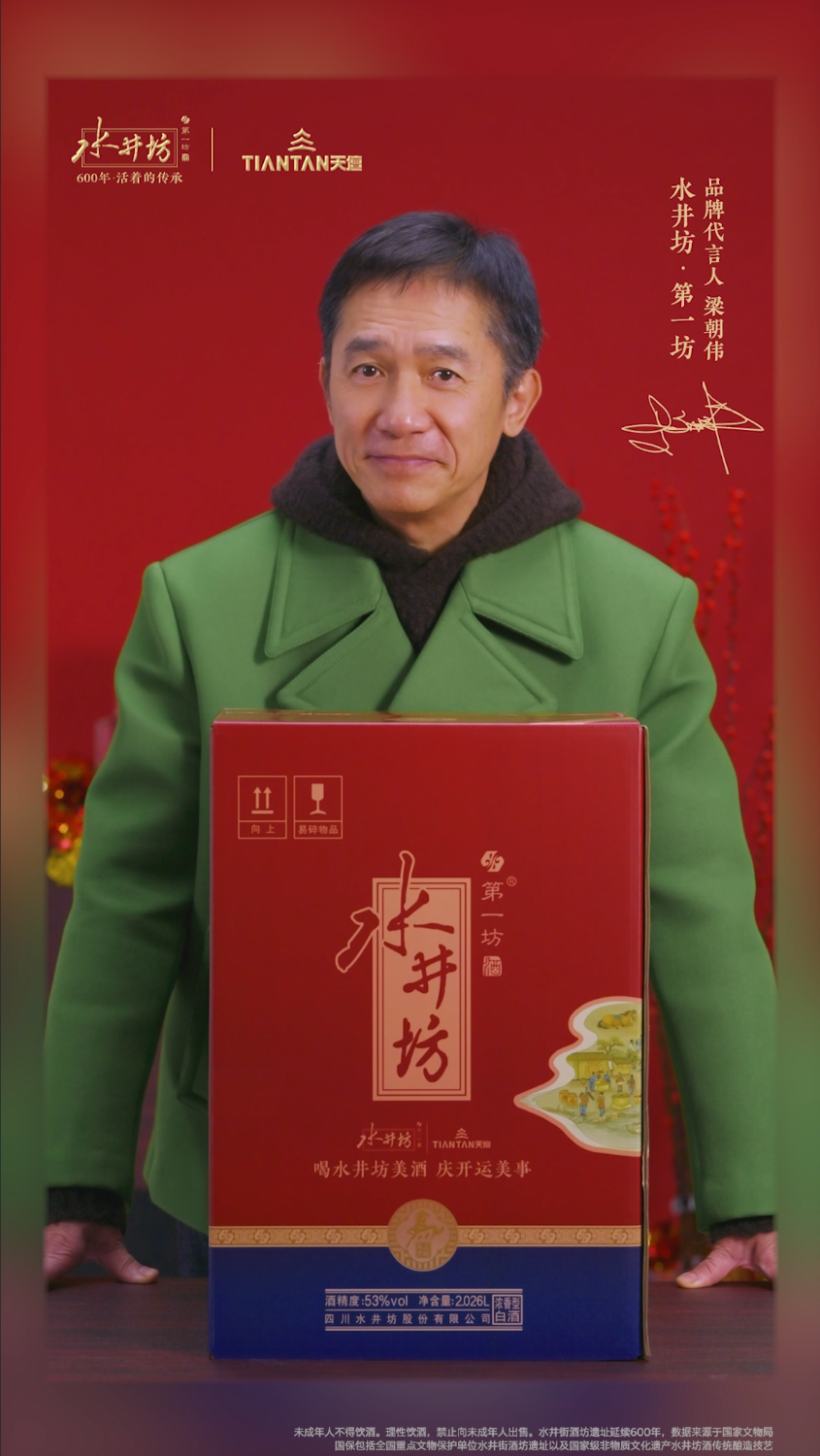
水井坊新年开运酒

Search documents
跨越六百余年的举杯:天坛与水井坊再启2026开运第一杯
Di Yi Cai Jing· 2026-01-20 05:41
Core Viewpoint - The collaboration between Shui Jing Fang and the Temple of Heaven aims to celebrate the New Year by merging over 600 years of cultural heritage and creating a unique ceremonial experience through the launch of a special wine product [1][10][18]. Group 1: Cultural Significance - Drinking wine during the New Year is a deeply rooted tradition in Chinese culture, symbolizing family reunion and the celebration of good fortune [3][4]. - The Temple of Heaven has historically served as a site for significant rituals, including over 650 sacrificial ceremonies, representing the collective wishes for a bountiful harvest [6]. - Shui Jing Fang, established in Chengdu, has been producing high-quality wine for over 600 years, embodying the essence of local culture and celebrations [9][20]. Group 2: Product Launch and Marketing Strategy - The new product, a limited edition wine, is available in two sizes: a 2026ml large bottle and a 606ml gift box, symbolizing the dual celebration of the Temple's anniversary and the New Year [12][16]. - The marketing campaign features actor Tony Leung as a brand ambassador, inviting consumers to participate in a nationwide celebration of good fortune through interactive promotions [16][17]. - The initiative includes a "Fortune First Cup" concept, encouraging consumers to engage with the brand and share their celebratory moments, enhancing emotional connections [10][18][22]. Group 3: Brand Positioning and Consumer Engagement - Shui Jing Fang positions itself as a premium choice for celebrating important life events, aiming to deepen its brand message of "drinking fine wine to celebrate good things" [18][20]. - The brand emphasizes the emotional significance of wine in social gatherings, responding to consumer desires for meaningful expressions of sentiment during celebrations [20][22]. - The campaign seeks to transform traditional wine consumption into a culturally resonant and emotionally engaging ritual, reinforcing the brand's relevance in modern consumer life [18][22].