水产罐头

Search documents
劲头足,把“开门红”干成“全年红”
Xin Lang Cai Jing· 2026-02-22 23:05
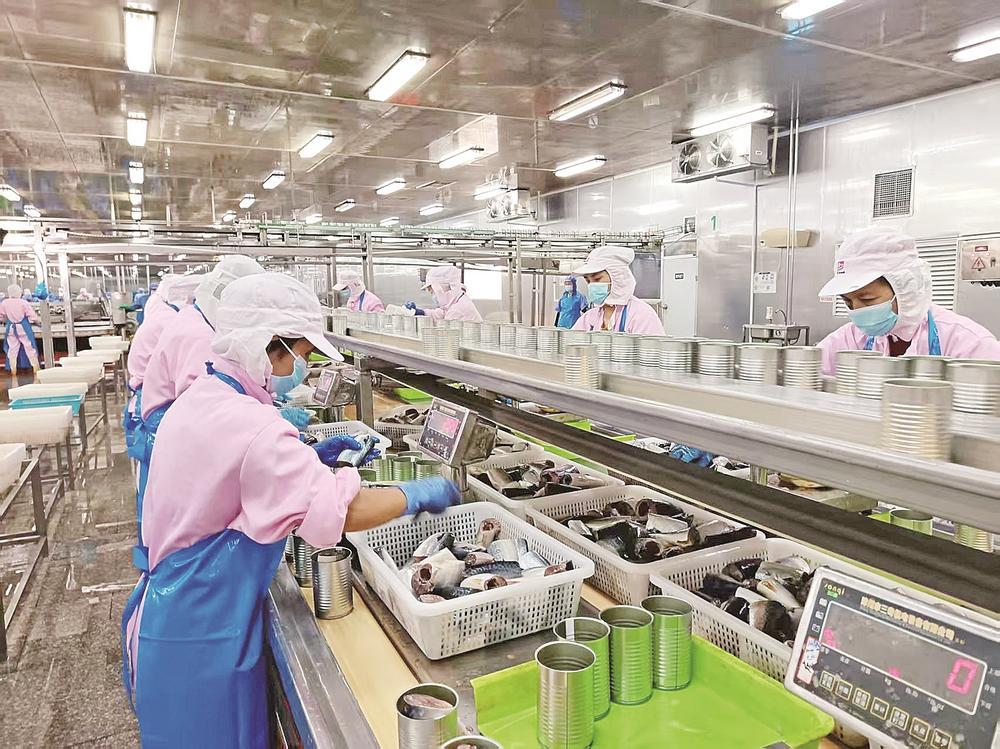
Core Insights - The company, Zishan Group, has seen an increase in orders for canned seafood this year compared to previous years, indicating strong demand and operational readiness [1][2] - The company emphasizes quality control and efficiency in its production processes, ensuring that all products meet export-level safety standards [1] - Zishan Group has transitioned from primarily exporting products to focusing on domestic sales, aligning with its philosophy of sharing international quality with local consumers [1] Production and Workforce Management - The company has implemented a strategy of "no rest for machines" during the Spring Festival, maintaining production operations while providing incentives for employees who choose to work during the holiday [2] - As of the sixth day of the lunar new year, the production capacity of the canned seafood line has been restored to 85%, with plans to fulfill initial orders within a week [2] - Employee morale is high due to the company's supportive measures, including bonuses and enhanced meal offerings during the holiday period [2] Company Background and Growth - Zishan Group has evolved from a small food workshop to a leading enterprise in agricultural industrialization in China, supporting nearly 5,000 local farmers and creating thousands of jobs [1] - The company’s leadership emphasizes social responsibility and community support as integral to its business model [1]

因成本增加利益受损,称加征关税于法无据,美零售巨头加入“返还关税”诉讼
Huan Qiu Shi Bao· 2025-12-03 22:52
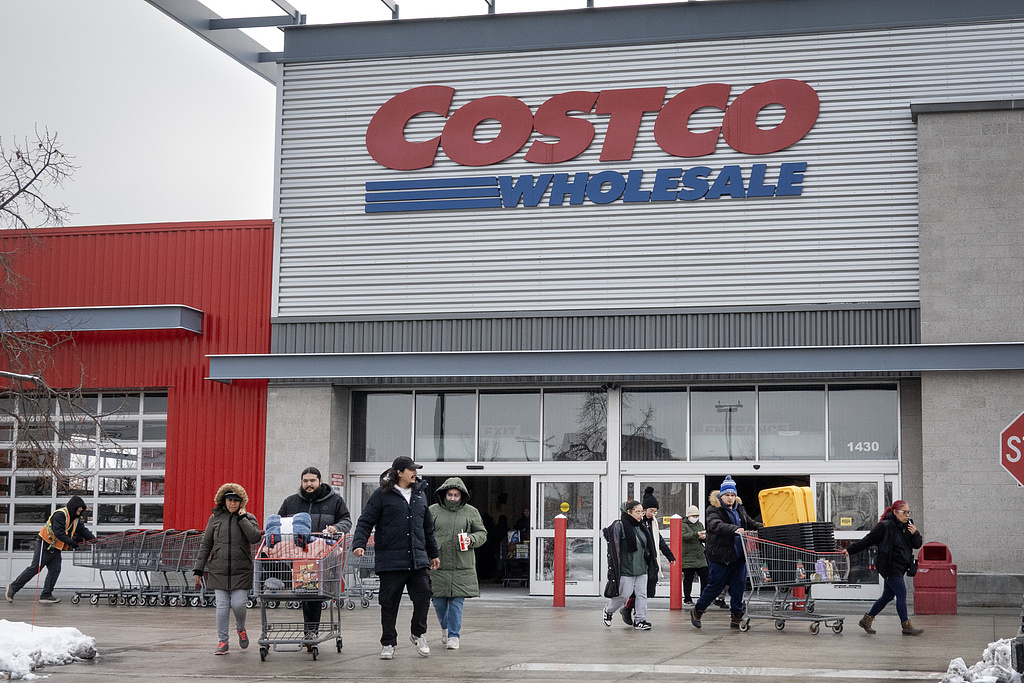
Core Viewpoint - Costco has filed a lawsuit against the U.S. federal government, claiming that the imposition of tariffs under the International Emergency Economic Powers Act is illegal and is seeking a full refund of the tariffs paid [1][3]. Group 1: Company Actions - Costco's Chief Financial Officer, Gary Millerchip, revealed that approximately one-third of the products sold in the U.S. are imported, with about two-thirds being non-food items, and around 8% of total sales coming from products imported from China [3]. - Prior to Costco's lawsuit, several companies, including Kawasaki and Bumble Bee Foods, had already initiated similar legal actions against the government, indicating a growing trend among businesses to challenge tariffs [3][4]. - The lawsuit by Costco is particularly notable as it marks the first time a major corporation has publicly taken such action, contrasting with smaller companies that have previously filed lawsuits [4][5]. Group 2: Impact of Tariffs - In response to tariff impacts, Costco has adjusted its pricing strategies, with some non-essential imported items, like flowers, experiencing price increases, while essential items, such as fresh fruits, have not seen price hikes [5]. - Kawasaki's CEO acknowledged that tariffs might necessitate a price increase of approximately 17% on high-end motorcycles sold in the U.S. [5]. Group 3: Legal Context - The U.S. Supreme Court is currently reviewing the legality of the federal government's authority to impose tariffs on multiple goods, with both liberal and conservative justices questioning the president's power to levy tariffs without congressional approval [6]. - Even if the Supreme Court rules against the tariffs, companies like Costco and Kawasaki have expressed that this may not guarantee the return of previously paid tariffs, necessitating legal action against the government [6]. Group 4: Government's Position - The U.S. government maintains that tariffs are essential for addressing long-term economic and national security challenges, despite the negative impact on small businesses [7]. - The Supreme Court has not yet announced when it will rule on the legality of the tariffs, but if deemed illegal, the government could face significant financial repercussions [7][8].