
汉画像石

Search documents
山西吕梁离石首次发现“离石”!提供重要实物资料
Yang Shi Xin Wen· 2026-01-07 09:07
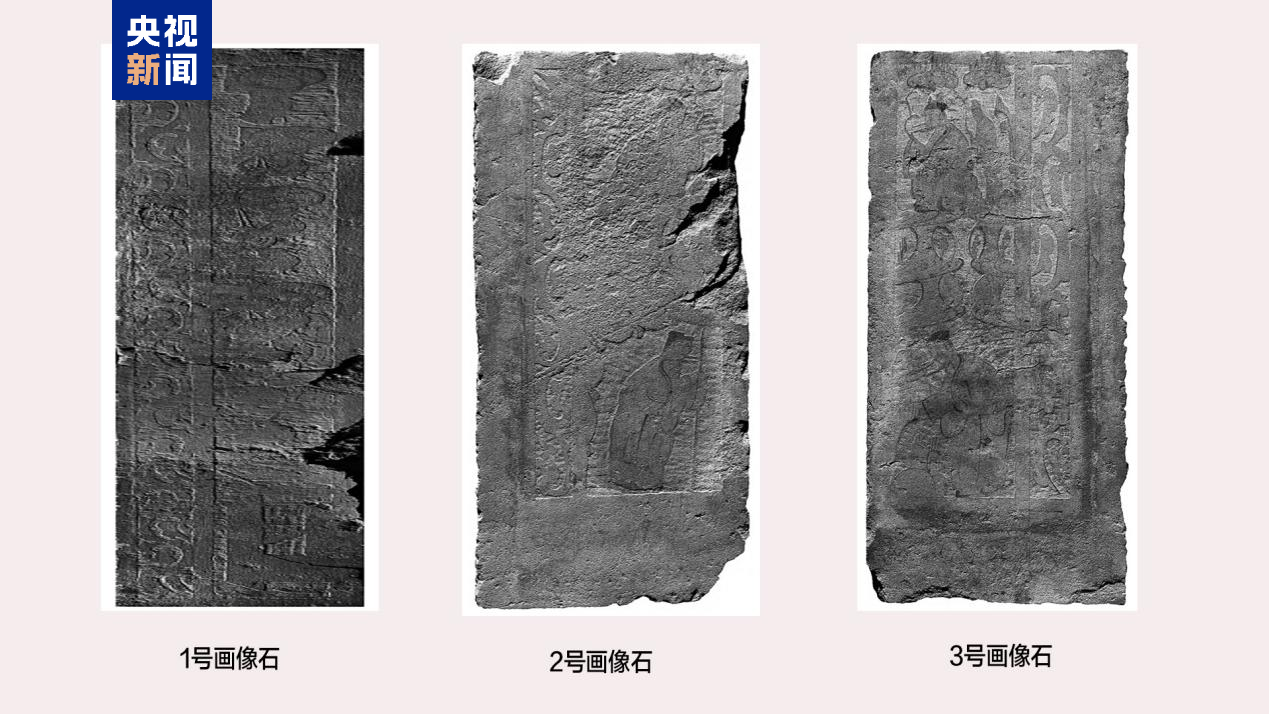
Core Viewpoint - The archaeological findings in Shanxi's Lüliang region reveal significant insights into the political changes and social culture of the Han dynasty, particularly through the newly discovered stone carvings that include the place name "Lishi" for the first time [1][6]. Group 1: Archaeological Findings - The newly collected stone carvings are the first to feature the name "Lishi," providing crucial physical evidence for studying the political and cultural transitions in the region during the Han dynasty [1]. - Lüliang is recognized as the only known site for Han stone carvings in Shanxi and is one of the important distribution areas for such artifacts in China, with nearly 300 pieces discovered since 1919 [1][6]. - The four newly collected stone carvings were found to originate from the same tomb, belonging to a person named Han Yuanzhong, and date back to the late Eastern Han period [1][6]. Group 2: Characteristics of the Stone Carvings - The four stone carvings are made from local red-brown sandstone and feature a shallow relief carving technique, primarily outlining the external contours without detailed internal lines, often enhanced with ink lines and some areas painted in black [4]. - The 4th stone pillar measures 116 cm in height and has a hexagonal cross-section, with inscriptions detailing the construction date and the name of the tomb owner [4][6]. - The inscriptions on the stone pillar provide not only the name and origin of the tomb owner but also the date of construction, marking it as a significant find in the region [6]. Group 3: Historical Context - The findings suggest a historical context where many immigrants from northern Shaanxi, unable to return to their hometowns due to conflicts, were buried in Lüliang, reflecting the region's role in the migration patterns during the Eastern Han dynasty [7]. - The relationship between the inscriptions on the stone pillar and other regional artifacts indicates a historical administrative integration process, linking the residents of Lishi with those from Pingzhou [8]. - The stylistic consistency of the newly discovered stone carvings with previous finds in Lüliang underscores their importance in understanding the continuity and evolution of Han artistic traditions in the region [8].

国宝画重点|“汉代四绝”里藏着的文化密码
Xin Hua She· 2025-09-13 13:25
Group 1 - Xuzhou, known for its rich cultural heritage, has a history of 2600 years and is the birthplace of the Han Dynasty and its culture [1] - The archaeological findings in Xuzhou, including Han tombs, figurines, and stone carvings, reveal the advanced architectural skills and cultural richness of the Han Dynasty [1][2] - The Han tombs, such as the Guishan Han Tomb, showcase a variety of structures including the main chamber, armory, and dance halls, reflecting the grandeur of the era [1] Group 2 - The Han figurines unearthed in Xuzhou exceed 6000 pieces, categorized into different types such as warrior figurines, ceremonial figurines, and musicians, highlighting the artistic diversity of the period [1][2] - The jade burial suits, made from jade pieces connected by metal or silk threads, were used by emperors and high-ranking nobles, indicating their social status [2] - The craftsmanship of jade artifacts, such as the jade dragon pendant, exemplifies the high-quality materials and intricate designs characteristic of Xuzhou's Han jade [2]

国宝画重点丨“汉代四绝”里藏着的文化密码
Xin Hua She· 2025-09-13 12:36
Group 1 - Xuzhou, known for its rich cultural heritage, has a history of 2600 years and is the birthplace of Liu Bang, the founder of the Han Dynasty, making it a significant site for Han culture [1] - The archaeological findings in Xuzhou, including Han tombs, figurines, and stone carvings, reveal the advanced architectural skills and cultural practices of the Han Dynasty [1][2] - The Han tombs, particularly the Guishan Han Tomb, showcase a complex structure with various chambers, including a main chamber, armory, and dance hall, reflecting the grandeur of the Han Dynasty [1] Group 2 - The Han figurines unearthed in Xuzhou, totaling over 6000 pieces, include various types such as warrior figurines, ceremonial figurines, and musicians, highlighting the artistic diversity of the period [1] - The figurines, especially the warrior types, depict the military prowess of the Han soldiers, aligning with historical accounts of their strength [2] - The elegant design of the dancing figurines captures the essence of the popular dance styles of the time, showcasing the cultural richness of the Han Dynasty [2] Group 3 - The jade burial suits, a unique funerary item for Han emperors and nobles, were made from jade pieces connected by metal or silk threads, indicating the high status of the deceased [3] - The craftsmanship of jade artifacts from Xuzhou, such as the jade dragon pendant, reflects the artistic excellence and cultural significance of jade in ancient China [3] - The overall findings from the Han tombs, including the intricate jade suits and figurines, narrate the grandeur and cultural depth of the Han Dynasty, transcending time [4]
西班牙小哥徐州博物馆探秘记
人民网-国际频道 原创稿· 2025-08-06 03:40
Core Points - Xuzhou Museum has been rated as a national first-class museum, showcasing national treasures such as Han Terracotta Warriors, Han Stone Carvings, and Gold Threaded Jade Clothes [2] Group 1 - The museum is recognized for its significant collection of cultural artifacts from the Han dynasty [2] - The collaboration with a Spanish individual highlights the museum's international appeal and cultural exchange [2]