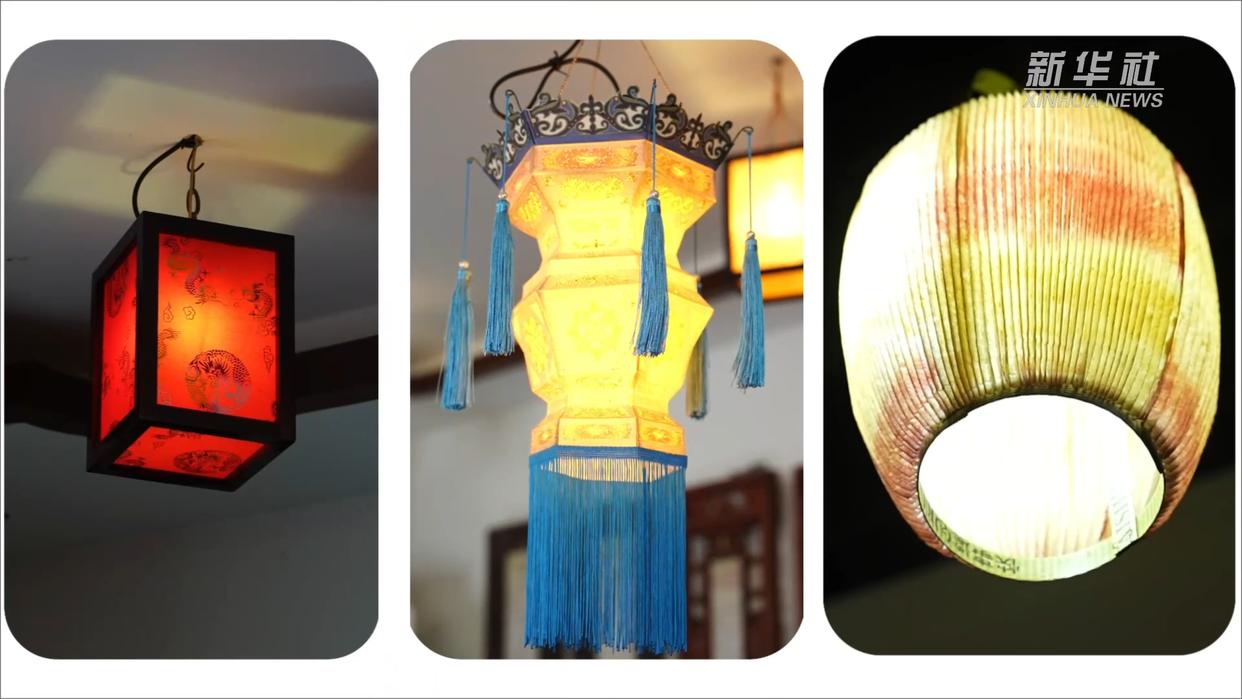
汴京灯笼

Search documents
中式主题乐园火爆出圈 背后藏着这些“小巧思”
Yang Shi Xin Wen· 2026-01-20 03:29
Core Insights - The rise of Chinese-themed amusement parks is driven by the integration of traditional culture, local innovation, and advanced technology, attracting a new wave of tourists [1][5][8] Group 1: Development of Chinese-themed Amusement Parks - Recent additions of Chinese-themed amusement parks in regions like Shandong, Henan, and Shaanxi have become popular travel destinations [1] - By the end of 2025, there will be a total of 385 theme parks in China, with Chinese-themed parks focusing on cultural IPs such as drama, shadow puppetry, and acrobatics [5] - Ticket bookings for parks like Hangzhou Songcheng and Kaifeng Qingming Riverside Garden have doubled since 2026, indicating sustained popularity [7] Group 2: Technological Integration and Cultural Expression - Technology has enabled a more vivid expression of traditional culture, with unique items like "Bianjing lanterns" showcasing historical art [3] - Interactive installations, such as a giant mechanical horse inspired by traditional Chinese art, enhance visitor engagement through advanced features [8][10] - The integration of AI in large-scale installations allows for deep interaction with visitors, showcasing the potential for emotional engagement [12][14] Group 3: Economic Impact and Opportunities - Each yuan of revenue generated by theme parks can stimulate 3.8 yuan in urban economic income and further drive 12 to 15 yuan in upstream and downstream industry value [8] - The popularity of these parks has led to a surge in accommodation bookings, with some areas experiencing an 8-fold increase in orders [7] - New career opportunities are emerging in performance and technical roles within these parks, with educational institutions partnering with local attractions to train students for these positions [16]

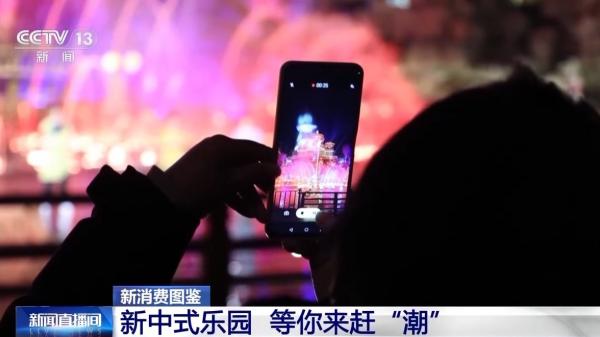
众多中式主题乐园火爆出圈 “国潮+科技”燃动文旅市场创造新机遇
Yang Shi Wang· 2026-01-20 02:44
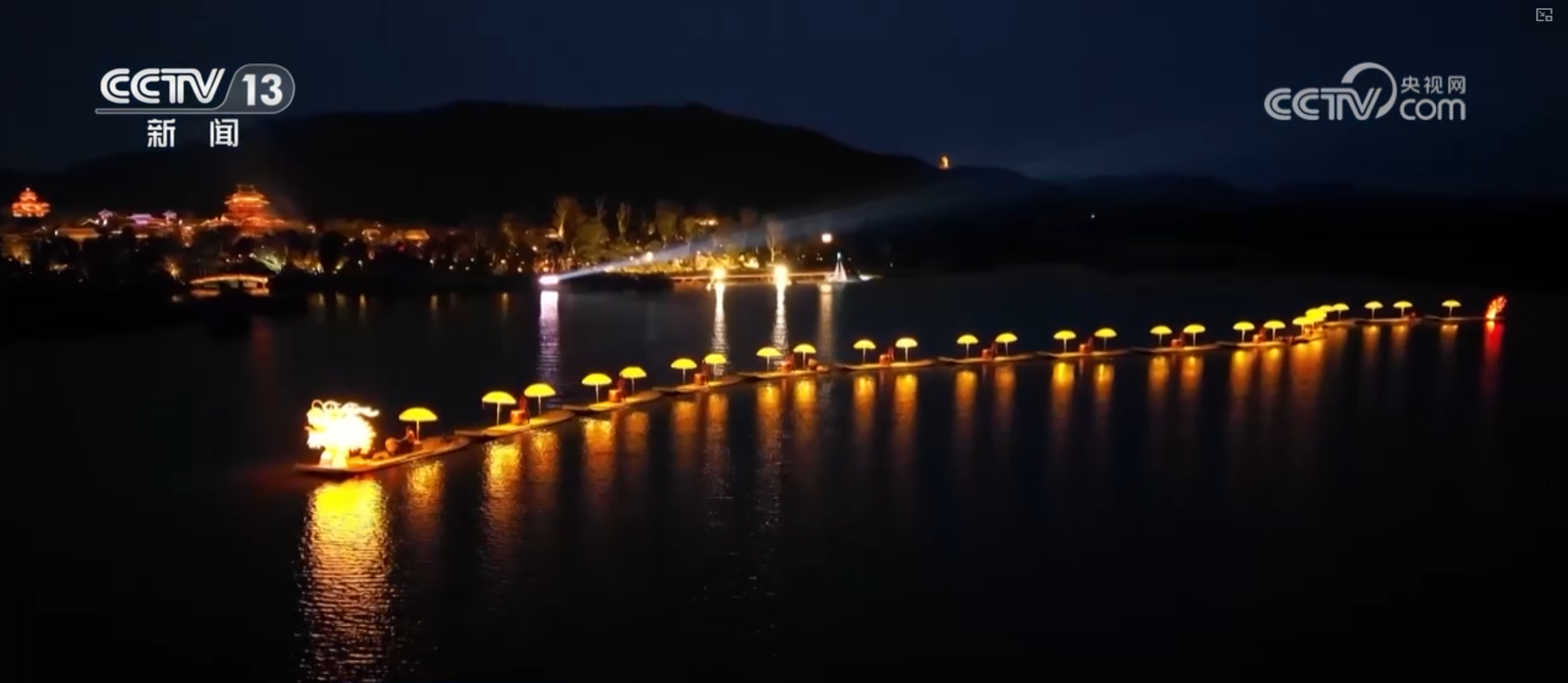
Core Insights - The recent rise of theme parks centered around traditional culture in regions like Shandong, Henan, and Shaanxi has become a new travel destination for tourists, showcasing the integration of cultural roots, localized innovation, and advanced technology [2] Group 1: Theme Park Development - The core competitiveness of Chinese theme parks lies in the deep integration of cultural heritage, local innovation, and technology [2] - As of the end of 2025, there will be a total of 385 theme parks in China, with Chinese-themed parks focusing on cultural IPs such as drama, shadow puppetry, and acrobatics [11] - The popularity of Chinese theme parks has led to a significant increase in ticket bookings, with some parks seeing a doubling in reservations since 2026 [13] Group 2: Technological Integration - The use of technology has allowed traditional culture to be expressed more vividly, as seen in the unique "Kaifeng Lanterns" that feature ancient paintings from the Song Dynasty [7] - Interactive art installations, such as a giant mechanical horse inspired by traditional Chinese art, are becoming more common in new-style theme parks, enhancing visitor engagement [16][18] - The integration of AI in large art installations allows for deep interaction with visitors, creating a more immersive experience [18] Group 3: Economic Impact - According to the World Theme Park Association, for every 1 yuan of revenue generated by a theme park, it can stimulate 3.8 yuan in urban economic income and further drive 12 to 15 yuan in upstream and downstream industry chain output [14] - The booming theme park industry is creating new opportunities not only for equipment manufacturers but also for professionals in performance arts, with many parks hosting over 200 shows and interactions daily [21] Group 4: Educational Initiatives - Partnerships between art colleges and theme parks are emerging, allowing students to gain practical experience in performance arts, enhancing their skills and understanding of cultural narratives [23] - The curriculum is evolving to include cultural immersion, integrating traditional dance and regional cultural elements into training programs [23]
汴京灯笼张:技艺点亮非遗 数字赋能新生
Xin Lang Cai Jing· 2025-12-21 12:30
Group 1 - The core idea of the article revolves around the preservation and digitalization of traditional cultural heritage, specifically through the efforts of Zhang Juntao, a seventh-generation inheritor of the national intangible cultural heritage "Bianjing Lantern Zhang" [2][3]. - Zhang Juntao has transformed his ancestral home into a museum that is open to the public for free, promoting the cultural significance of traditional lantern-making [3]. - He actively engages with schools and communities to spread awareness of this cultural heritage, taking Bianjing lanterns to international audiences, thus transforming a livelihood skill into a cultural symbol [5]. Group 2 - Zhang Juntao's commitment to both preservation and innovation has revitalized the ancient craft of lantern-making, ensuring its relevance in the digital age [5]. - The collection and organization of hundreds of thousands of traditional patterns are part of his efforts to breathe new life into ancient techniques [2]. - His work not only highlights the importance of cultural heritage but also aims to illuminate the path for future generations in the realm of intangible cultural heritage [5].