
中式主题乐园

Search documents
人文经济激活消费新动能丨扎根人文沃土 催开经济“新枝”
Xin Hua Wang· 2026-01-23 03:17
Group 1 - The article emphasizes the importance of cultural activities in enhancing economic vitality, showcasing unique cultural experiences that contribute to consumer engagement and economic growth [1][2] - Notable cultural products and new business models, such as the game "Black Myth: Wukong" and the animated film "Ne Zha," have gained significant popularity, indicating a shift towards culturally rich consumer offerings [1] - The integration of traditional culture with modern aesthetics is crucial for creating engaging products and services that resonate with contemporary audiences, thereby driving economic growth [2] Group 2 - The article advocates for optimizing cultural supply and expanding cultural consumption to cultivate new economic growth points, highlighting the need for innovative transformation of traditional culture [2] - The emergence of a billion-dollar market for domestic fashion infused with traditional elements and the success of cultural tourism in cities like Harbin demonstrate the economic potential of cultural integration [2] - The interaction between culture and various industries is essential for fostering new economic dynamics and creating a thriving environment where culture and economy coexist harmoniously [2]
人文经济激活消费新动能|扎根人文沃土 催开经济“新枝”
Xin Lang Cai Jing· 2026-01-22 15:07
Group 1 - The article highlights the emergence of unique cultural experiences during the Spring Festival, such as the "Chang'an Lantern Festival" in Xi'an and the "Ice Lake Fishing Festival" in Inner Mongolia, which enhance consumer engagement and stimulate economic activity [1] - Cultural products and new business models, like the game "Black Myth: Wukong" and the animated film "Ne Zha," have become significant consumption highlights, contributing to economic growth [1] - The need to optimize cultural supply and expand cultural consumption is emphasized, focusing on the creative transformation of traditional culture to connect with modern life [1] Group 2 - The integration of cultural elements into various industries is crucial for fostering economic growth, with examples like the billion-dollar market for domestic fashion and the development of Chinese-themed amusement parks [2] - The article discusses the importance of breaking down industry barriers to promote deep interaction between culture and diverse business sectors, leading to new cultural landscapes and economic momentum [2] - The infusion of cultural factors into traditional industries is expected to yield high-quality development and showcase a thriving interaction between culture and economy [2]
新华时评·人文经济激活消费新动能丨扎根人文沃土 催开经济“新枝”
Xin Hua She· 2026-01-22 14:27
Group 1 - The core idea emphasizes the integration of cultural elements into economic activities to stimulate new growth points in the economy [1][2] - Unique cultural experiences during the Spring Festival, such as the immersive light show in Xi'an and the traditional fishing festival in Inner Mongolia, enhance consumer engagement and economic vitality [1] - The success of cultural products, like the game "Black Myth: Wukong" and the animated film "Ne Zha," highlights the potential of culture to drive economic growth [1] Group 2 - There is a need to optimize cultural supply and expand cultural consumption to foster economic growth [2] - The creative transformation of traditional culture should focus on its spiritual essence and modern relevance, leading to products and services that resonate with contemporary aesthetics [2] - The integration of cultural elements into various industries, such as the booming market for domestic fashion and the development of themed amusement parks, demonstrates the economic potential of cultural fusion [2]
中式主题乐园火爆出圈 背后藏着这些“小巧思”
Yang Shi Xin Wen· 2026-01-20 03:29
Core Insights - The rise of Chinese-themed amusement parks is driven by the integration of traditional culture, local innovation, and advanced technology, attracting a new wave of tourists [1][5][8] Group 1: Development of Chinese-themed Amusement Parks - Recent additions of Chinese-themed amusement parks in regions like Shandong, Henan, and Shaanxi have become popular travel destinations [1] - By the end of 2025, there will be a total of 385 theme parks in China, with Chinese-themed parks focusing on cultural IPs such as drama, shadow puppetry, and acrobatics [5] - Ticket bookings for parks like Hangzhou Songcheng and Kaifeng Qingming Riverside Garden have doubled since 2026, indicating sustained popularity [7] Group 2: Technological Integration and Cultural Expression - Technology has enabled a more vivid expression of traditional culture, with unique items like "Bianjing lanterns" showcasing historical art [3] - Interactive installations, such as a giant mechanical horse inspired by traditional Chinese art, enhance visitor engagement through advanced features [8][10] - The integration of AI in large-scale installations allows for deep interaction with visitors, showcasing the potential for emotional engagement [12][14] Group 3: Economic Impact and Opportunities - Each yuan of revenue generated by theme parks can stimulate 3.8 yuan in urban economic income and further drive 12 to 15 yuan in upstream and downstream industry value [8] - The popularity of these parks has led to a surge in accommodation bookings, with some areas experiencing an 8-fold increase in orders [7] - New career opportunities are emerging in performance and technical roles within these parks, with educational institutions partnering with local attractions to train students for these positions [16]

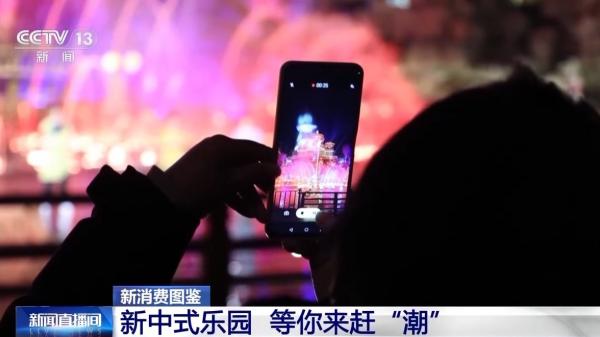
众多中式主题乐园火爆出圈 “国潮+科技”燃动文旅市场创造新机遇
Yang Shi Wang· 2026-01-20 02:44
Core Insights - The recent rise of theme parks centered around traditional culture in regions like Shandong, Henan, and Shaanxi has become a new travel destination for tourists, showcasing the integration of cultural roots, localized innovation, and advanced technology [2] Group 1: Theme Park Development - The core competitiveness of Chinese theme parks lies in the deep integration of cultural heritage, local innovation, and technology [2] - As of the end of 2025, there will be a total of 385 theme parks in China, with Chinese-themed parks focusing on cultural IPs such as drama, shadow puppetry, and acrobatics [11] - The popularity of Chinese theme parks has led to a significant increase in ticket bookings, with some parks seeing a doubling in reservations since 2026 [13] Group 2: Technological Integration - The use of technology has allowed traditional culture to be expressed more vividly, as seen in the unique "Kaifeng Lanterns" that feature ancient paintings from the Song Dynasty [7] - Interactive art installations, such as a giant mechanical horse inspired by traditional Chinese art, are becoming more common in new-style theme parks, enhancing visitor engagement [16][18] - The integration of AI in large art installations allows for deep interaction with visitors, creating a more immersive experience [18] Group 3: Economic Impact - According to the World Theme Park Association, for every 1 yuan of revenue generated by a theme park, it can stimulate 3.8 yuan in urban economic income and further drive 12 to 15 yuan in upstream and downstream industry chain output [14] - The booming theme park industry is creating new opportunities not only for equipment manufacturers but also for professionals in performance arts, with many parks hosting over 200 shows and interactions daily [21] Group 4: Educational Initiatives - Partnerships between art colleges and theme parks are emerging, allowing students to gain practical experience in performance arts, enhancing their skills and understanding of cultural narratives [23] - The curriculum is evolving to include cultural immersion, integrating traditional dance and regional cultural elements into training programs [23]
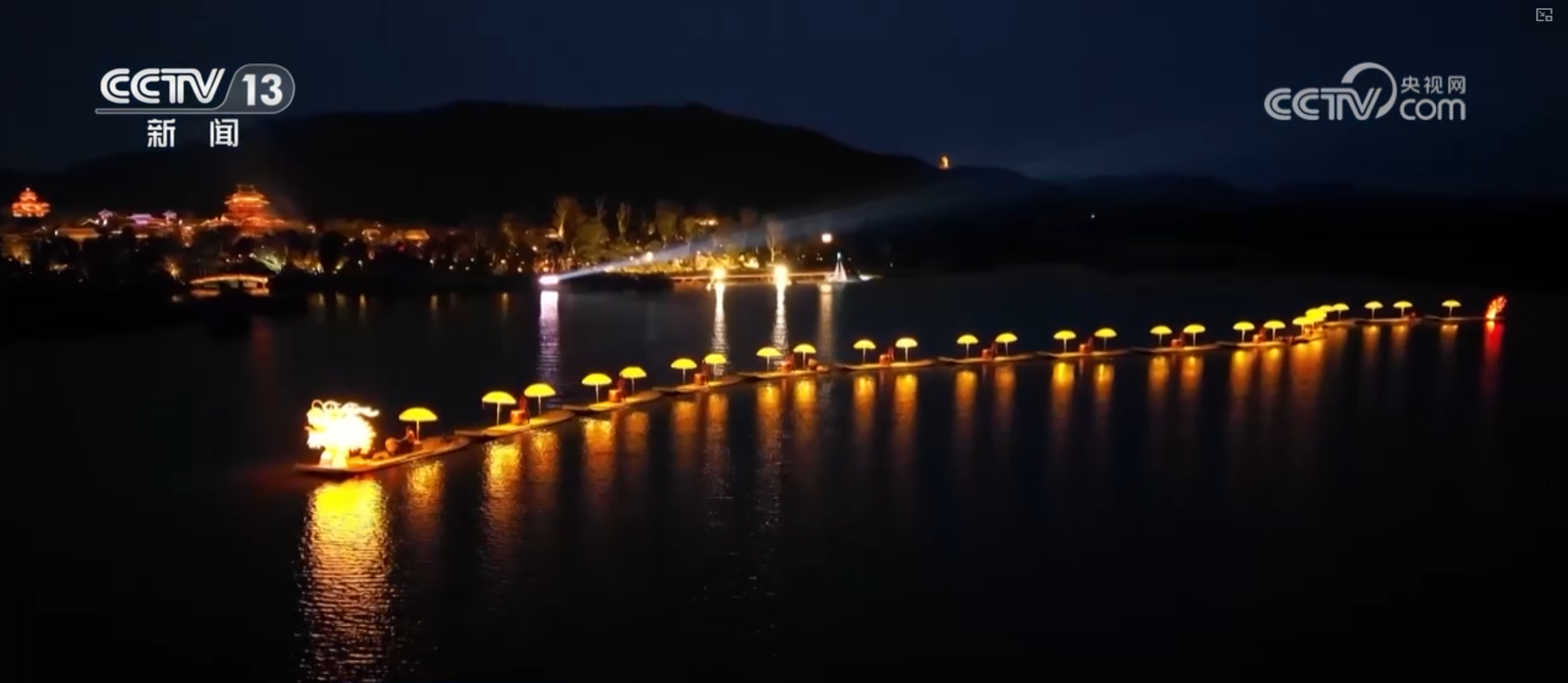
2026元旦境内外游同步升温,旅游消费活力凸显
Cai Jing Wang· 2026-01-04 09:02
Core Insights - The New Year's holiday in 2026 has significantly boosted tourism consumption, with a notable increase in bookings for flights, hotels, and vacation rentals, driven by the "please take 3 days off and rest for 8" holiday trend [1][2] Domestic Travel - The domestic travel market is characterized by a blend of short-term micro-vacations and long-term deep travel, with core city clusters actively engaging in consumption [2] - Popular destinations include Northeast China, Hainan, Yunnan, Xinjiang, and Sichuan, with a 176% year-on-year increase in bookings for winter sun destinations [2] - The trend of "cross-regional travel" is evident, with over 50% of bookings for southern destinations made by northern travelers [2] Consumption Trends - There is a diversification in consumption scenarios, with events driving interest in various destinations, such as the popularity of Chinese-themed amusement parks [3] - The demand for high-quality accommodations and personalized services has increased, with family and child-friendly options seeing significant growth [4] - Bookings for family-oriented vacation rentals have surged, with orders for two-bedroom and larger properties increasing by 13% and 227% respectively [4] External Influences - The implementation of Hainan's duty-free shopping policy has led to a 20% increase in visitors since December 2025, with hotel and rental occupancy rates more than doubling [5] Cross-Border Travel - The cross-border travel market is experiencing a dual recovery, with both outbound and inbound tourism gaining momentum [6][7] - Popular outbound travel themes include island vacations and destinations with visa-free access, with significant growth in bookings from non-first-tier cities [7] - Inbound tourism is also on the rise, with a 5-fold increase in foreign visitors to Sanya, and a diverse range of cities being popular among international travelers [8]