没药

Search documents
南宋木乃伊何以800余年不腐?科技考古掀开神秘面纱
Xin Hua She· 2026-01-14 22:49
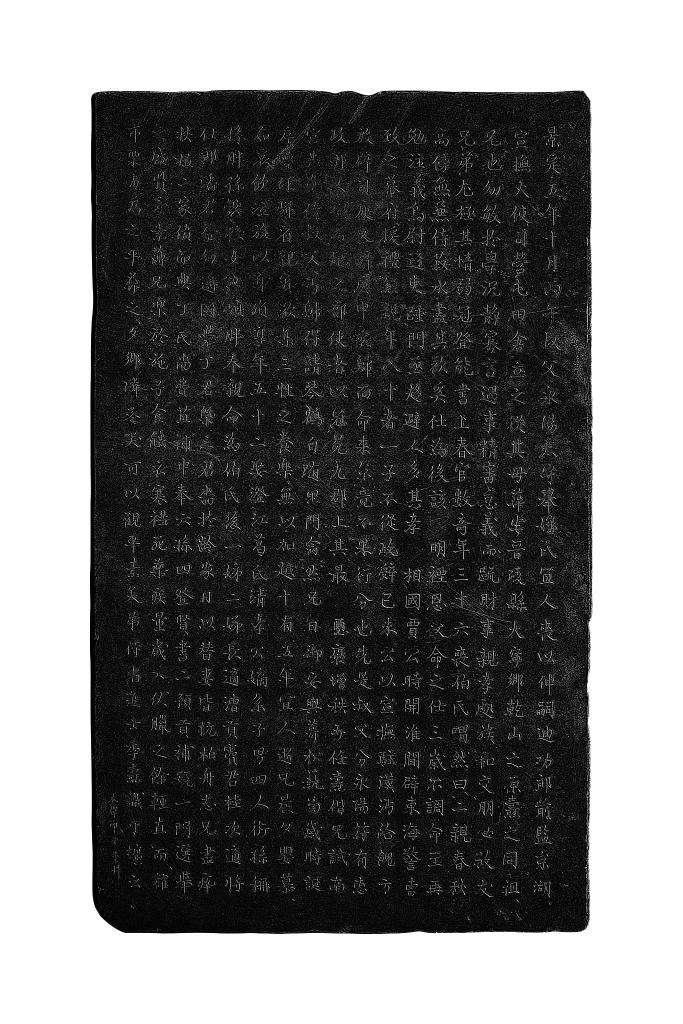
Core Viewpoint - The research reveals the unique preservation techniques used in ancient China, particularly in the making of "Eastern mummies," which involved the use of mercury, cinnabar, and spices from the Maritime Silk Road to prevent decay and impart fragrance to the bodies [1][4][6]. Group 1: Research Findings - The study published on January 13 in the Journal of Genetics and Genomics details the discovery of a Southern Song dynasty corpse, approximately 800 years old, found in Changzhou, which exhibited remarkable preservation and a strong fragrance [1][4]. - The corpse, identified as a 52-year-old male named "Ji Lizhi," showed signs of atherosclerosis, indicating health issues during his lifetime [1][4]. - The research team utilized various methods, including CT scans, dissections, ancient DNA studies, stable isotope analysis, and preservation material testing, to understand the preservation techniques [6][7]. Group 2: Preservation Techniques - The study found that mercury and cinnabar were injected directly into the intestines of the corpse, differing from Western practices where organs were often removed before treatment [6][7]. - The use of spices such as ambergris, camphor, and myrrh was identified in the preserved body, highlighting the luxurious burial practices of affluent individuals during the Southern Song period [7]. - This research sheds light on the historical significance of spice trade along the Maritime Silk Road and its impact on social practices in Southern Song society [7].

“玫瑰城”佩特拉(旅人心语)
Ren Min Ri Bao· 2025-07-17 22:02
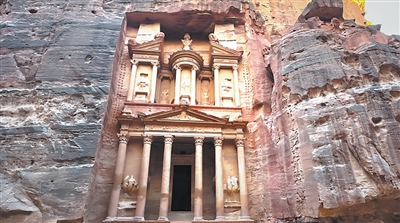
Core Insights - The article highlights the historical significance and architectural marvel of Petra, particularly the Al-Khazneh temple, which showcases the ingenuity of the Nabataeans in overcoming environmental challenges to create a thriving city in the desert [1][2]. Group 1: Historical Context - The Nabataeans settled in Petra around the 3rd century BC, transforming it into a prosperous city known as the "Rose City" [1]. - At its peak, Petra had a population of 20,000 to 30,000, with significant cultural and commercial interactions among ancient civilizations including Egyptians, Assyrians, Jews, Greeks, and Romans [1]. - The city thrived due to its strategic location along the ancient Silk Road, facilitating trade in luxury goods like frankincense and myrrh [1]. Group 2: Architectural Achievements - Petra features over 500 sandstone-carved structures, blending Greek, Roman, and Egyptian architectural styles with Nabataean creativity [2]. - The Nabataeans developed advanced water management systems, including a network of ceramic pipes to transport water from 8 kilometers away, allowing them to build five dams to protect the city from floods [2][3]. - The construction techniques employed by the Nabataeans included innovative methods for carving high cliffs, utilizing natural platforms created from debris to facilitate the sculpting of the temple facades [3]. Group 3: Rediscovery and Modern Significance - After a devastating earthquake in 363 AD, Petra was largely forgotten until its rediscovery by Swiss explorer Johann Burckhardt in 1812 [5]. - Petra was designated a UNESCO World Heritage Site in 1985, attracting hundreds of thousands of tourists annually who come to experience its historical and cultural richness [5].