流感特效药

Search documents
近3年最强流感季来袭,特效药比疫苗更“流行”,如何提高流感疫苗接种率?
Mei Ri Jing Ji Xin Wen· 2025-12-12 08:23
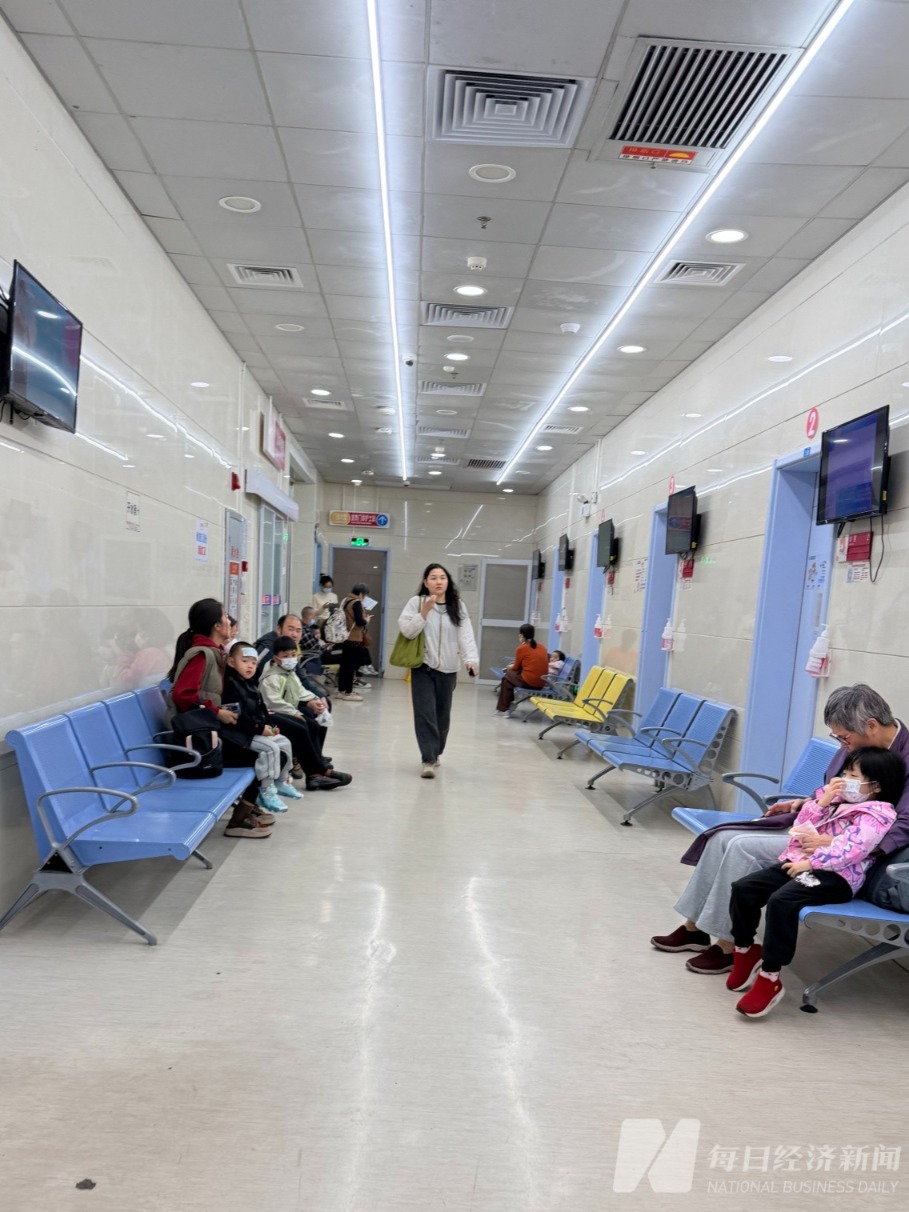
Core Insights - The flu season in 2025 is more severe than in the past three years, with higher reported cases across both northern and southern China according to the CDC [1] - Despite a surge in sales of flu medications, the vaccination rate for flu vaccines in China remains low, particularly among the 18-59 age group [1][6] - In contrast, Chile has achieved a high vaccination rate of 85% among key populations, highlighting a significant disparity in public health responses [5][7] Group 1: Flu Season Overview - The CDC reported an increase in flu-like cases, with 1219 outbreaks recorded, predominantly caused by the H2N3 strain [1] - In Guangdong, the flu-like cases accounted for 11.90% of emergency visits, significantly higher than previous weeks [2] - The flu season in Guangdong is expected to peak around mid-December, with hospitals managing the increase in patients effectively [2][4] Group 2: Vaccination Rates and Challenges - The vaccination rates in China are alarmingly low, with only 0.52% for the 18-59 age group and 4.63% for those over 60, far below the WHO's recommended 75% coverage [6] - In contrast, Chile has a well-established vaccination program, with free vaccines available to a clearly defined target population, leading to higher uptake [7][9] - The Chinese public exhibits vaccine hesitancy, influenced by misconceptions about vaccine safety and effectiveness [4][12] Group 3: Comparison with Chile - Chile's vaccination strategy includes a long history of public health campaigns and a focus on vulnerable populations, which has resulted in high vaccination rates [7][9] - The accessibility of vaccination sites in Chile, including schools and community centers, contrasts with China's more limited options [11] - Effective communication about vaccine benefits and managing public expectations are crucial in reducing vaccine hesitancy, as observed in both countries [12]