浪浪山文创系列产品

Search documents
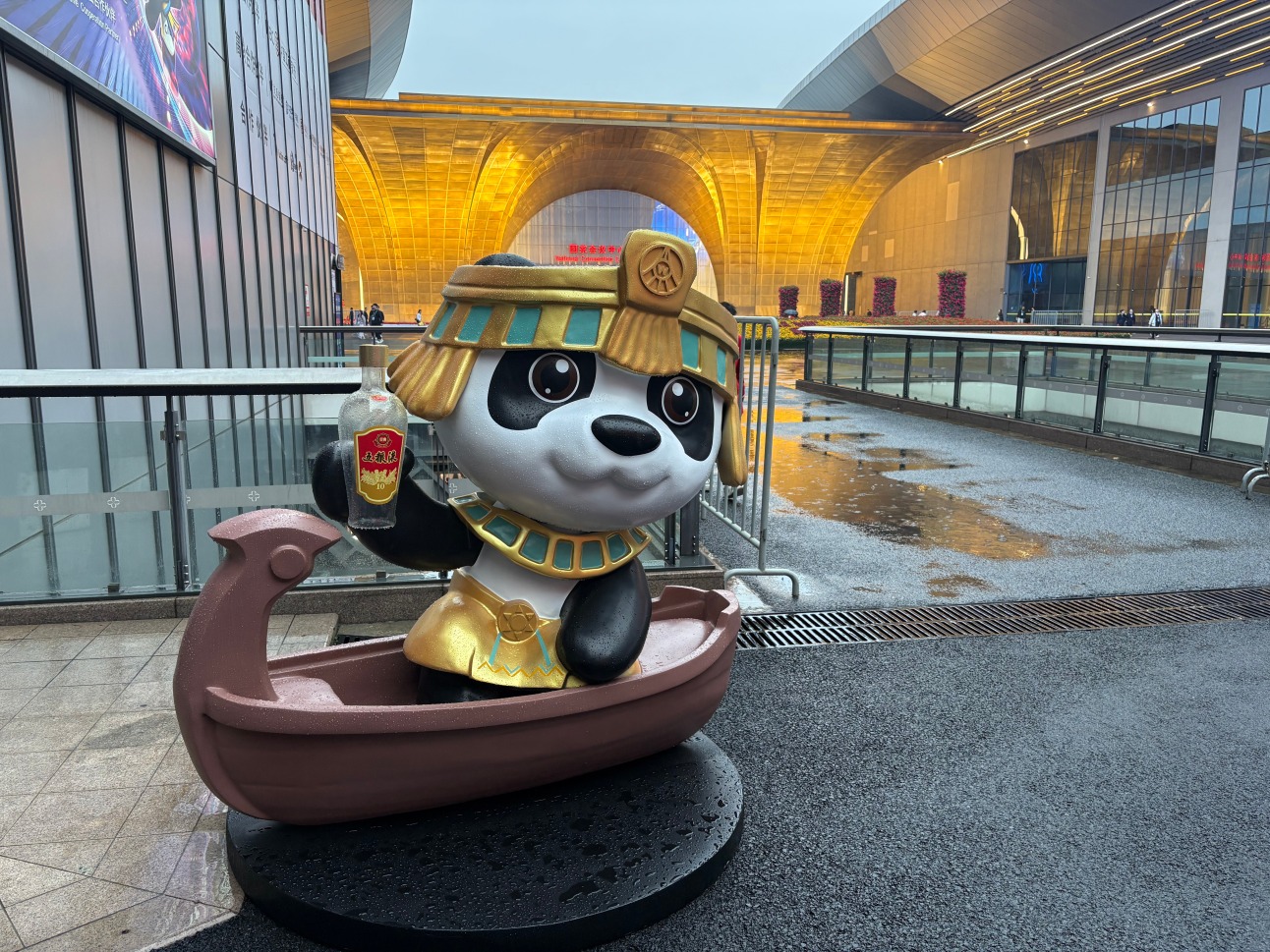
直通进博会 | 寻找第八届进博会上的“爆款”IP 文创“小产品”催生“大产业”
Xin Hua Cai Jing· 2025-11-08 12:06
Core Insights - The "Jinbao" panda IP has become a popular cultural product at the China International Import Expo (CIIE), attracting attention from both domestic and international attendees [2][3][6] - The global cultural and creative industry is projected to grow from 16 trillion yuan in 2019 to 19.5 trillion yuan by 2024, with a compound annual growth rate (CAGR) of 4.0%. China's market is expected to grow from 4.5 trillion yuan in 2019 to 6.4 trillion yuan in 2024, with a CAGR of 7.4%, significantly outpacing the global average [1][13] Cultural and Creative Industry Growth - The cultural and creative industry in China is anticipated to exceed 3 trillion yuan in added value by 2024, with expectations to surpass 5 trillion yuan by 2025, reflecting a CAGR of over 15% [13] - The integration of technology into the cultural and creative sector is seen as a key direction for growth, with digital art and new cultural formats emerging [14] Product Popularity and Market Trends - The "Jinbao" IP has gained significant traction on social media, with various trending topics related to cultural products from the CIIE [2][6] - The CIIE showcases a variety of cultural products, including those from different regions of China, highlighting the depth of the cultural gift industry [9][10] Non-Material Cultural Heritage - Non-material cultural heritage products, such as the Urat embroidery, are being revitalized and integrated into modern life, appealing to younger generations [10][11] - The economic value of non-material cultural heritage is emphasized as a means to engage more people in its preservation and transmission [11] Future Directions - Cross-industry collaboration is expected to become a popular trend in the cultural and creative industry, enhancing product appeal and expanding market reach [14] - The expression of "Guochao" (national trend) in cultural products is anticipated to continue growing, showcasing traditional Chinese culture both domestically and internationally [14]