文创产业

Search documents
文创IP侵权高发 如何守护“哪吒”们
Bei Jing Shang Bao· 2026-02-24 16:53
Core Viewpoint - The rapid development of the cultural and creative industry in China is accompanied by significant challenges in intellectual property (IP) protection, particularly concerning high-profile IPs, leading to a structural contradiction that requires social governance to address [1][2][3]. Group 1: Industry Growth and Revenue - In 2025, the cultural core sector achieved a revenue of 103,181 billion yuan, marking an 11.5% increase from the previous year [2]. - Key sectors such as content creation, news information services, and creative design services experienced double-digit revenue growth, with increases of 13.5%, 13.2%, and 12.3% respectively [2]. Group 2: Intellectual Property Infringement - From January to November 2025, a total of 64 cases of IP infringement related to cultural products were prosecuted, with 33 cases involving high-profile IPs like "Nezha" and "Pop Mart," accounting for over half of the total [2][3]. - The illegal distribution of pirated films, including over 130,000 copies of "Nezha," highlights the scale of copyright infringement issues facing the industry [3]. Group 3: Challenges in IP Protection - The existing legal framework faces challenges in defining, investigating, and regulating IP infringement, with subjective interpretations of "substantial similarity" complicating enforcement [6]. - The rise of technology has lowered the barriers for imitation, making it easier for counterfeit products to enter the market, often at lower prices than legitimate products, thus creating a significant profit margin for infringers [3][4]. Group 4: Need for Collaborative Governance - Effective IP protection requires a multi-faceted approach involving legal, administrative, and criminal measures, as outlined in various laws such as the Copyright Law and Trademark Law [5]. - Social governance is essential, with platforms being significant channels for the distribution of infringing products, necessitating stricter regulations and consumer awareness to shift market dynamics towards supporting original creators [7].
文创IP侵权高发,如何守护“哪吒”们
Bei Jing Shang Bao· 2026-02-24 16:03
Core Insights - The rapid development of the cultural and creative industry in China is accompanied by significant challenges in intellectual property (IP) protection, particularly concerning high-profile IPs like "Nezha" and "Pop Mart" [2][4][5] - In 2025, the cultural core sector achieved a revenue of 10,318.1 billion yuan, marking an 11.5% increase from the previous year, with content creation, news services, and creative design services showing double-digit growth [4] - A total of 64 cases of intellectual property infringement related to cultural products were prosecuted from January to November 2025, with over half involving high-profile IPs [2][4] Group 1: Industry Growth and Revenue - The cultural and creative industry has become a significant segment of the consumer market, with notable successes such as the "Nezha" film grossing over 10 billion yuan and the China National Museum achieving record sales [4] - The revenue growth in the cultural core sector is driven by various segments, including content creation (13.5%), news information services (13.2%), and creative design services (12.3%) [4] Group 2: Intellectual Property Infringement Issues - The disparity between the high profits from IP infringement and the low costs of imitation products poses a significant challenge, leading to a situation where piracy thrives [5][6] - The ease of imitation due to technological advancements has made it difficult for copyright holders to enforce their rights effectively, resulting in a "hotter the IP, the more piracy" phenomenon [5][6] Group 3: Legal and Regulatory Framework - Current legal protections include civil, administrative, and criminal measures, but challenges remain in defining and proving infringement, particularly regarding the originality of creative works [7][8] - Recent legal developments, such as the Shenzhen Intermediate Court's ruling, aim to clarify IP protection boundaries and enhance the enforcement of rights [8] - A comprehensive approach involving social governance, platform accountability, and consumer behavior is essential for building a robust protective framework for IP in the cultural sector [8]


用文创书写文旅新叙事
Xin Lang Cai Jing· 2026-02-20 23:49
Group 1 - The seventh "Silent Nurturing" Quanzhou Cultural and Creative Tourism Product Design Competition concluded, showcasing 48 selected works from nearly a thousand submissions, focusing on "city gifts," "Quanzhou cuisine," and "Dehua porcelain" to creatively interpret Maritime Silk Road culture and respond to market demands [1] - The competition prioritized "cultural compatibility" as a key evaluation criterion to address the issue of homogenization in cultural and creative products, encouraging creators to explore deeper cultural translations rather than superficial symbols [1] - The competition's format was upgraded to connect creativity with industry, including a Dehua porcelain creative camp to bridge craft barriers, industry resource connections to shorten conversion paths, a sales revenue-sharing mechanism to incentivize market operations, and copyright registration services to protect originality [1] Group 2 - The relationship between cultural creativity and tourism is evolving from "ancillary consumption" to "mutual content," with the rising popularity of cultural tourism providing fertile ground for cultural creativity, which in turn enhances the depth of urban tourism experiences [2] - The increasing popularity of Quanzhou's cultural tourism has created unprecedented growth opportunities for local cultural creativity, with original designers and studios becoming more active, supported by government platforms and incubation mechanisms for creative implementation [2] - Products that combine fun, aesthetics, practicality, and cultural heritage are narrating urban stories in contemporary language, with world heritage elements transformed into trendy collectibles and Minnan symbols entering daily consumption, accelerating the release of market potential [2] Group 3 - Despite the flourishing of cultural creativity, challenges remain in transitioning creative studios from "small and beautiful" to sustainable brands, ensuring Dehua porcelain designs reach everyday dining and tea settings, and preventing creative ideas from being neglected after the competition's excitement fades [3] - The realization of the vision to bring museum artifacts, heritage, and ancient texts to life requires continuous efforts from creators and collaborative empowerment from government, universities, enterprises, and platforms [3] - The "Silent Nurturing" competition, now in its seventh year, embodies the idea that good cultural creativity can reshape a city's cultural expression through daily immersion [3]
“文创+”点亮新年俗 让传统年味生生不息
Xin Lang Cai Jing· 2026-02-10 00:32
Core Viewpoint - The article discusses the evolution of traditional Chinese New Year customs and the rise of cultural creative products that resonate with contemporary values, emphasizing the importance of cultural heritage in modern society [1][2][3] Group 1: Cultural Significance - The essence of the New Year celebrations, such as family reunion and blessings, remains unchanged despite the evolving forms of cultural expression [2] - Cultural creative products like the "Black Horse" and "Ma Biao Biao" reflect a blend of traditional aesthetics and modern emotional needs, making ancient culture accessible and engaging for the younger generation [1][2] Group 2: Market Trends - The popularity of cultural creative products indicates a shift in consumer behavior towards valuing cultural content over mere material satisfaction, showcasing a deeper spiritual pursuit [2] - The emergence of various cultural activities, such as archaeological creative gatherings and immersive light shows, highlights the active participation of cultural institutions and artisans in transforming cultural resources into marketable products [2] Group 3: Cultural Transmission - True cultural transmission involves adapting traditions to contemporary life rather than preserving them in isolation, allowing for a dynamic interaction between old and new [3] - The integration of traditional customs with modern creativity demonstrates the potential for cultural heritage to thrive in the current era, fostering a sense of cultural confidence and identity [3]
河南郑州:以人文经济学赋能城市更新
Xin Lang Cai Jing· 2026-02-08 04:03
Core Insights - Zhengzhou is actively promoting urban renewal by integrating cultural and economic development, transforming old industrial sites and historical relics into vibrant urban spaces that reflect deep cultural heritage and a warm city atmosphere [1] Group 1: Urban Renewal Projects - The Moshijie Cultural and Creative Park, located in the old industrial area, has transformed the former site of the Zhengzhou Abrasives Research Institute into a lively space, creating approximately 2,200 jobs and over 120 new small businesses since its opening in October 2023 [2] - The "Zhengzhou Memory Oil Chemical Plant," a renovation of a Soviet-era facility, retains its industrial aesthetic while hosting over 190 shops and attracting daily foot traffic of more than 30,000 visitors, establishing itself as a national-level tourist destination [3] Group 2: Cultural Integration - The Heidu New Image Commercial Street, built on the site of the Shang Dynasty capital, features over 60 well-known dining and retail brands, with more than 40% being first-time entrants in Central China and Henan, effectively merging historical context with modern commercial activity [4] - The integration of historical culture into modern life not only stimulates new consumer dynamics but also fosters cultural identity and confidence among residents, as highlighted by the significant foot traffic of over 100,000 on the opening day of Heidu New Image [5] Group 3: Policy and Future Directions - Zhengzhou has implemented a series of initiatives, including the "Zhengzhou Urban Renewal Regulations" and the "Zhengzhou Urban Renewal Action Plan (2025-2027)," to create distinctive parks and establish a new path for urban renewal [6] - Successful urban renewal projects in Zhengzhou aim to achieve multiple goals, including historical preservation, improved livelihoods, economic growth, and cultural transmission, demonstrating a comprehensive approach to urban development [6] Group 4: Economic Impact - The Zhengzhou Memory 1952 Oil Chemical Plant has diversified its offerings to include cultural creativity, entertainment, and immersive experiences, attracting over 250,000 visitors during the 2026 New Year holiday and generating revenue exceeding 11 million yuan [6] - The city has announced 13 new urban renewal projects, with a total investment of 7.25 billion yuan, indicating a strong commitment to enhancing urban charm through the revival of cultural heritage [7]
八闽风华 福建有“礼”
Xin Lang Cai Jing· 2026-01-26 23:11
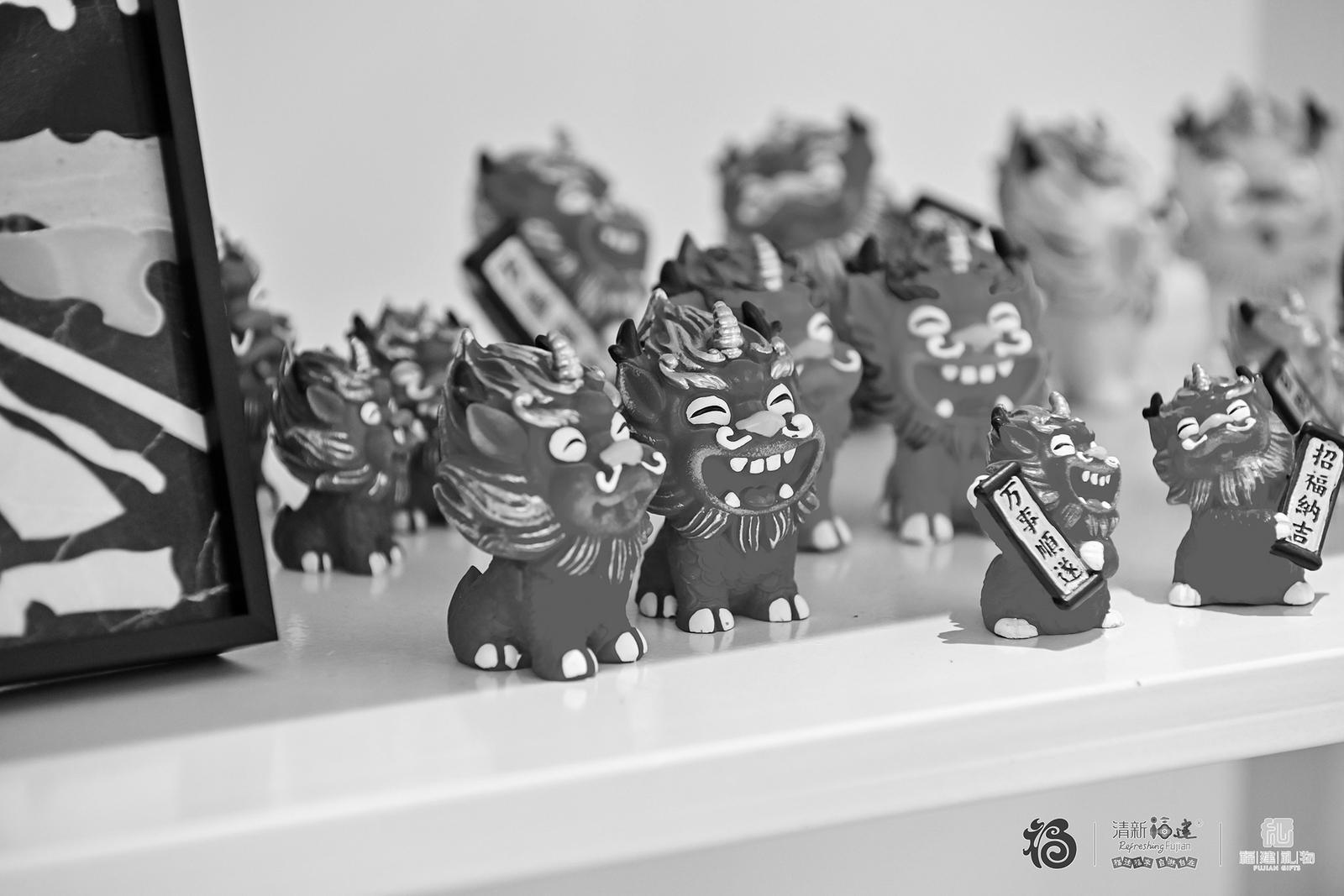
Core Insights - The "Fujian Gift" brand has transitioned from a concept to a reality, showcasing various cultural and creative products that embody the essence of Fujian culture and connect emotional memories while maintaining market vitality [3][4][6] Group 1: Brand Development - The first "Fujian Gift" store opened on January 10, 2026, at the Fujian Folk Museum, featuring distinct product zones that highlight regional craftsmanship and modern design [4] - The store includes areas such as "Eight Min Gifts," "Craftsmanship Collection," and "Fujian Tea Creation Space," offering products that blend aesthetics and functionality [4][5] - The initiative aims to create a cultural expression through innovative product offerings, enhancing cultural confidence and national pride among visitors [4][5] Group 2: Market Strategy - The Fujian Provincial Department of Culture and Tourism is actively building platforms for showcasing and promoting "Fujian Gift" products, facilitating their entry into online and offline sales channels [5][6] - A series of cultural and creative market events, such as the eighth Fujian Cultural and Creative Market, aims to provide immersive experiences that combine traditional culture with modern technology [5][6] - The department emphasizes the importance of a long-term mechanism to ensure that creative ideas are visible and market-tested [5] Group 3: Product Innovation - A collection activity launched in June 2025 aimed to gather creative works from various stakeholders, resulting in 150 award-winning products that reflect Fujian's cultural heritage [6][7] - The "Zhou Zhou Li Li" doll, which won a gold award, symbolizes local culture and has been developed into a range of merchandise, showcasing the region's unique traditional fish culture [7] - The initiative seeks to enhance the market competitiveness of Fujian's cultural and tourism products, positioning "Fujian Gift" as a new cultural brand [7] Group 4: Brand Promotion - In December 2025, measures were introduced to promote "Fujian Gift" as a national brand, including the establishment of three major directories: "Fuli·Guochao," "Fuli·Intangible Cultural Heritage," and "Fuli·Digital Intelligence" [8][9] - The brand's visual identity was launched, emphasizing the theme "Eight Min Blessed Land, Fujian Gifts Convey Feelings," which integrates local geographical imagery with traditional gift designs [8] - Future plans include creating tourism scenes that reflect "Min-style life" and developing high-quality content for international platforms to enhance the global presence of "Fujian Gift" [9]
马年文创出圈 情绪价值优先
Zhong Guo Xin Wen Wang· 2026-01-25 13:25
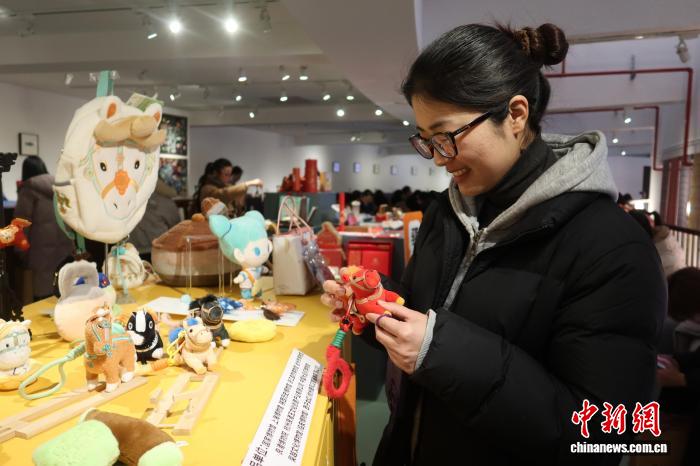
Group 1 - The core viewpoint of the articles highlights the rising popularity of cultural and creative products themed around the Year of the Horse in China, showcasing unique designs that resonate with consumers' emotional needs [1][3][4] - The "Crying Horse" toy became a viral sensation due to a manufacturing error that gave it a sad expression, leading to a 300% increase in orders within three days, illustrating the appeal of imperfection in consumer products [1][3] - The "Green Horse" series from the Gansu Provincial Museum has maintained its popularity due to its endearing design, which emphasizes emotional connection over perfection, aligning with the trend of "emotional value consumption" [1][3] Group 2 - The 2026 "Qiji" cultural exhibition in Hangzhou features over 285 horse-themed creative products from more than 40 cultural institutions and designers, reflecting the growing interest in culturally significant merchandise [3] - Experts suggest that the success of these products indicates a shift in consumer behavior towards valuing emotional resonance and authenticity, with "emotional value consumption" emerging as a key trend in cultural industries [3][4] - Recommendations for cultural product developers include transforming abstract emotions into tangible visual symbols and allowing consumer participation in product creation to enhance emotional engagement [4]
你喜欢“潦草”文创吗?
Jing Ji Ri Bao· 2026-01-25 09:22
Core Insights - The rise of "Lao Cao" cultural products, such as "Lao Cao Little Horse" and "Lao Cao Little Dog," reflects a successful capture of consumer emotional needs, positioning emotional value as the core competitive advantage in the cultural and creative economy [1][2] Group 1: Emotional Consumption - The popularity of "Lao Cao" products stems from a precise understanding of the emotional consumption trend, with the "Lao Cao Little Horse" embodying a unique spirit of "carefree yet wild" that resonates with consumers [2] - Consumers feel empowered by owning a "Lao Cao Little Horse," which symbolizes freedom of expression and personal style [2] Group 2: Cross-Industry Collaboration - The "Lao Cao" IP has created a commercial ecosystem through cross-industry collaborations, integrating into daily consumption scenarios via partnerships with coffee and chocolate brands [2] - This integration fosters a complete chain of "content seeding—product consumption—social dissemination," enhancing the cultural symbol's influence and driving the collaborative development of related industries such as design and tourism [2] Group 3: Simplified Creativity - Despite the name "Lao Cao," these cultural products are not poorly made; they represent a wisdom of simplification, accurately distilling cultural symbols rather than oversimplifying them [2][3] - The "Lao Cao Little Horse" draws inspiration from Qi Baishi's painting, while the "Lao Cao Little Dog" captures the daily life of pets through simple yet profound artistic expression [2] Group 4: Emotional Connection - The success of "Lao Cao" cultural products highlights that the competitiveness of cultural and creative products ultimately returns to emotional care and value recognition for consumers [3] - By embracing authenticity over perfectionism, these products resonate more deeply with consumers, demonstrating that the essence of creativity lies in emotional connections rather than complex designs [3]

技术、场景、生态、集聚 成都文创产业发展的四重动力
Xin Lang Cai Jing· 2026-01-22 19:12
Core Viewpoint - The cultural and creative industry is a significant driver for high-quality development, integrating creativity, technology, and culture, and is essential for enhancing a city's soft power and comprehensive competitiveness [3][4]. Group 1: Importance of Cultural and Creative Industry - The cultural and creative industry aligns with the new economic growth theory, serving as a core indicator of urban competitiveness and a green engine for economic structure optimization [4]. - In 2023, Shanghai's cultural and creative industry reached a scale of 2.34 trillion yuan, growing at 7%, showcasing the economic value generated by this sector [4]. - By 2024, China's cultural industry is projected to achieve total revenue of 19.14 trillion yuan, with a year-on-year growth of 7.1%, driven by the deep integration of culture and technology [4]. Group 2: Chengdu's Development Goals and Advantages - Chengdu aims to become a national cultural and creative center and a digital cultural industry hub, aligning with national strategies and leveraging its resource endowments [6][7]. - The city is positioned to lead the development of the cultural creative industry in the western region and enhance cultural soft power through the Chengdu-Chongqing economic circle [6]. - Chengdu's rich cultural heritage, including ancient Shu civilization and Three Kingdoms culture, provides a unique foundation for developing cultural creative products [7]. Group 3: Supportive Ecosystem for High-Quality Development - Chengdu has established a comprehensive policy framework to support the cultural creative industry, including funding initiatives and talent attraction strategies [7]. - The city has a complete industrial chain covering content creation, technology development, and consumer services, with over 6,000 digital creative enterprises [8]. - Chengdu's open and inclusive urban environment fosters innovation and attracts young talent, contributing to the vitality of the cultural creative industry [8]. Group 4: Strategies for Accelerating Development - Focus on technological advancements to strengthen the digital foundation of the cultural creative industry, including AI and immersive experience technologies [10][11]. - Enhance consumer engagement by creating immersive cultural experiences that integrate local heritage and modern design [11]. - Optimize the collaborative effects of cultural parks and clusters to avoid homogenization and promote unique industry characteristics [12].

消费升温与产业升级并举 迈入系统赋能新阶段
Xin Lang Cai Jing· 2026-01-21 20:32
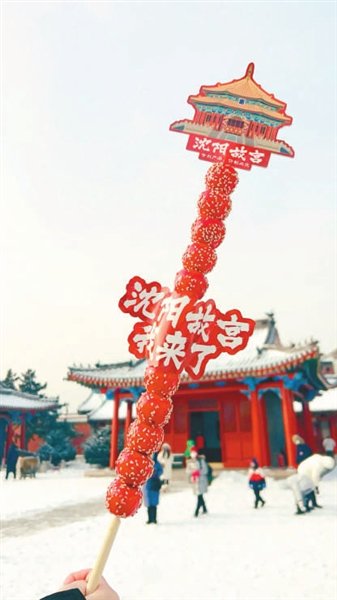
Core Insights - The cultural and creative economy in Shenyang is emerging as a new driving force for urban soft power and tourism growth, particularly as the 2026 Spring Festival tourism peak approaches [3][4] - A recent survey indicates that Shenyang's cultural and creative sector has transitioned from scattered attempts to a systematic empowerment phase, achieving breakthroughs in five key areas [4][5] Group 1: Advantages of Shenyang's Cultural and Creative Economy - Significant enhancement in cultural identity, with 81.4% of respondents aged 18-35 sharing Shenyang's cultural content on social media, fostering emotional connections with the city [5] - Continuous release of consumer momentum, with 61.7% of external tourists including Shenyang's cultural products on their must-buy list, and 90% of tourists spending over 500 yuan on cultural products per visit [5] - Deep activation of cultural resources, with 64% of respondents identifying Northeast regional culture as a core competitive advantage, and a focus on revitalizing 700,000 square meters of industrial heritage [5] - Diverse product design that integrates practicality and aesthetics, with 62.4% valuing artistic design and 69.5% emphasizing practicality [5] - Broad social participation, with 83.2% of respondents willing to provide suggestions for design, indicating a shift from consumers to co-creators [6] Group 2: Constraints on High-Quality Development of the Cultural and Creative Industry - Insufficient depth in cultural narrative, with 34.1% of respondents noting a lack of cultural content exploration and 49.9% pointing out significant design homogenization [7] - Need for improved industrial collaboration, as 88.6% of retail in scenic areas remains basic, lacking scene-based marketing [7] - Incomplete brand recognition system, with only 18.5% of respondents able to name a local cultural brand, indicating a lack of nationally influential brands [7] Group 3: Recommendations for Developing a Nationally Exemplary Cultural and Creative Model - Experts suggest a systematic approach to overcome structural bottlenecks and accelerate the establishment of a new high-quality development pattern [8] - Recommendations include building a cultural IP matrix that integrates emotional resonance and collective memory, creating immersive cultural consumption experiences, and developing products that appeal to both domestic and international markets [8][9]