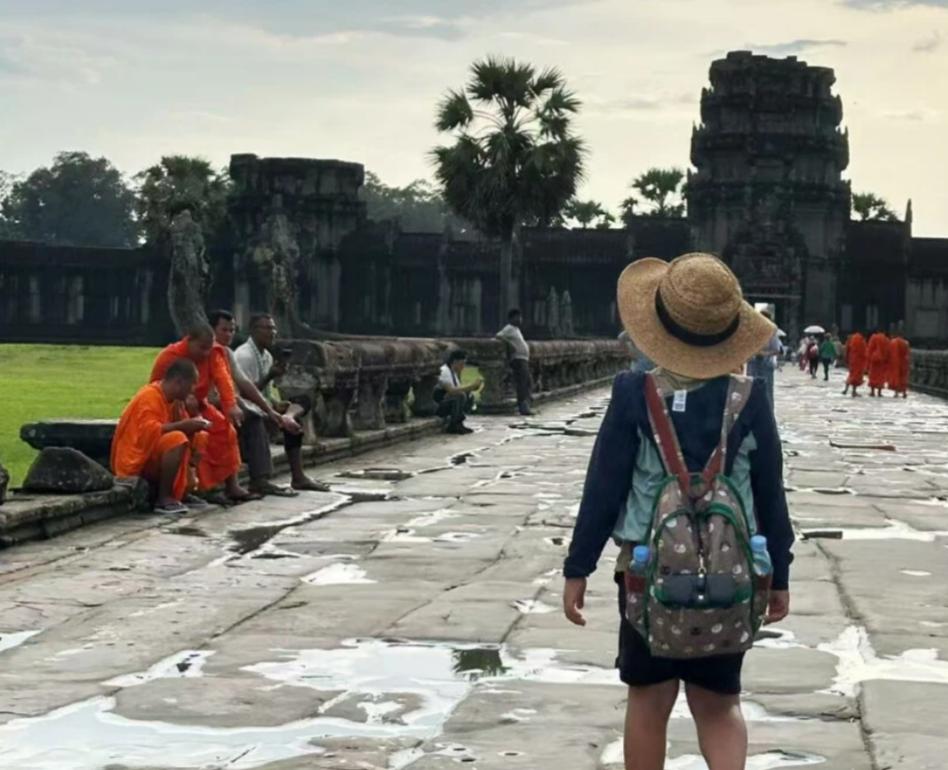
海外研学项目

Search documents
14天5万多,海外研学=换个地方打游戏?
创业邦· 2025-12-16 03:43
Core Viewpoint - The article highlights the growing concerns regarding the overseas study tour industry, emphasizing that many programs marketed as educational experiences are often misleading and fail to deliver on their promises, leading to a significant gap between expectations and reality [4][6][30]. Group 1: Industry Overview - The overseas study tour market is preparing for the winter vacation season, with many institutions promoting enticing programs aimed at enhancing global competencies [4][5]. - High fees, often exceeding tens of thousands of yuan, are charged for these programs, which are frequently criticized for lacking genuine educational value and being more akin to travel tours [6][30]. - Many programs falsely advertise features such as staying in prestigious university dormitories and being taught by renowned professors, which are often replaced by substandard accommodations and unqualified instructors [7][10]. Group 2: Consumer Experiences - Parents express concerns about the actual experiences their children have during these study tours, with reports of students engaging in activities unrelated to education, such as playing games during travel [9][20]. - Testimonials reveal that students often return with minimal educational gains, having participated in superficial activities rather than meaningful academic engagement [13][14]. - The lack of proper educational management during these tours has led to a situation where students are left unsupervised, resulting in behavior that contradicts the intended educational purpose [9][19]. Group 3: Financial Dynamics - The high costs associated with these programs are attributed to a complex profit-sharing structure, where various stakeholders, including domestic schools and foreign partners, take significant cuts, often leading to inflated prices for parents [25][30]. - The article suggests that many institutions operate as intermediaries, collecting fees while outsourcing the actual program execution to cheaper local agencies, which compromises the quality of the educational experience [27][30]. Group 4: Market Trends - The overseas study tour market in China is projected to grow significantly, with estimates indicating a market size of 179.1 billion yuan in 2024, reflecting a 21.9% year-on-year increase [31]. - The target demographic for these programs is becoming increasingly younger, with some institutions even catering to preschool-aged children, raising questions about the appropriateness and effectiveness of such early exposure [28]. Group 5: Recommendations for Parents - Parents are advised to conduct thorough research before enrolling their children in overseas study programs, focusing on the credibility of the institutions, the transparency of the curriculum, and the qualifications of the instructors [35]. - The article emphasizes that while the intention behind these programs is to broaden children's horizons, the reality often falls short, and parents should weigh the potential benefits against the financial costs and risks involved [35].

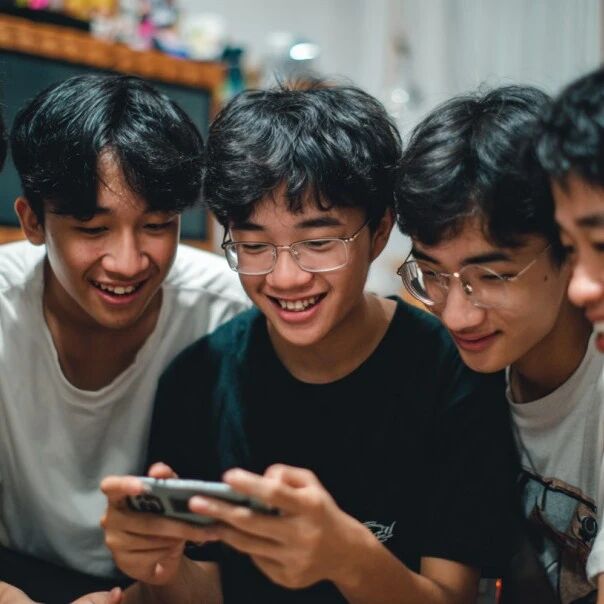
14天5万块钱:海外研学只是换个地方打游戏?
虎嗅APP· 2025-12-15 10:26
Core Viewpoint - The article highlights the pitfalls of overseas study tours, emphasizing that many programs marketed as educational experiences often fall short, turning into mere travel experiences without substantial learning benefits [4][5][6]. Group 1: Issues with Overseas Study Programs - Many overseas study programs promise high-quality educational experiences, such as interactions with Nobel laureates and stays in prestigious university accommodations, but often deliver subpar experiences with unqualified instructors and inadequate facilities [5][6][8]. - Students frequently find themselves in environments where they are not engaged in meaningful learning, instead spending time playing games and lacking proper guidance [7][18]. - The commercialization of these programs has led to a "layered" consumption model, where students are often passed off to third-party providers, resulting in a decline in educational quality [7][21]. Group 2: Financial Aspects and Market Dynamics - The overseas study market is characterized by high fees, with some programs costing over 50,000 RMB for just two weeks, yet the actual educational value is often minimal [11][28]. - The industry operates on a complex profit-sharing model, where various stakeholders, including domestic schools and foreign partners, take significant cuts, leading to inflated prices for parents [20][21]. - The market for overseas study programs is rapidly growing, with projections indicating a market size of 179.1 billion RMB in 2024, reflecting a 21.9% year-on-year increase [28]. Group 3: Parental Concerns and Decision-Making - Parents are often torn between the desire for their children to gain international exposure and the fear of spending large sums on programs that may not deliver real educational value [31][32]. - Recommendations for parents include verifying the legitimacy of programs by checking for entry requirements, course transparency, and instructor qualifications [33]. - The article suggests that while overseas study can be beneficial, it is crucial for parents to be informed and discerning to avoid being misled by marketing tactics [34].

14天5万多,海外研学=换个地方打游戏?
3 6 Ke· 2025-12-15 03:29
Core Viewpoint - The overseas study tour market is facing significant scrutiny due to misleading marketing practices and poor educational quality, leading to a growing concern among parents about the value of such programs [1][25][34]. Group 1: Market Dynamics - The overseas study tour market in China is projected to reach 179.1 billion yuan in 2024, with a year-on-year growth of 21.9%, and is expected to exceed 213.2 billion yuan by 2025 [26]. - Many programs are marketed with prestigious names like Oxford and Harvard, leading to inflated costs that do not reflect the actual educational value provided [18][20]. - The industry operates on a complex profit-sharing model, where various stakeholders, including domestic schools and foreign partners, take significant cuts, often exceeding 40% [21][23]. Group 2: Quality Concerns - Numerous parents report that their children’s experiences in overseas study programs often fall short of expectations, with many activities resembling mere tourism rather than genuine educational experiences [4][6][8]. - Students frequently encounter inadequate supervision and lack of meaningful engagement in educational activities, leading to a perception that these programs are more about travel than learning [10][12][14]. - The quality of accommodations and meals is often subpar, with many students staying in outdated facilities and receiving minimal educational content [6][9][10]. Group 3: Parental Perspectives - Parents express mixed feelings about sending their children abroad for study tours, balancing the desire for educational enrichment against concerns about safety and the potential for wasted financial investment [2][32]. - There is a growing awareness among parents about the need for due diligence when selecting programs, emphasizing the importance of verifying the legitimacy and quality of the offerings [24][33]. - The emotional conflict faced by parents reflects broader societal anxieties regarding educational opportunities and the perceived necessity of overseas experiences for children [32][34].