
滇中引水工程

Search documents
滇中引水攻坚克难实现新突破
Jing Ji Ri Bao· 2025-11-22 21:55
Core Points - The Yunnan Central Water Diversion Project is the largest water resource allocation project in Southwest China, with an investment of significant scale and expected to benefit over 11 million people across 36 counties [1][7] - The project includes the construction of the world's largest underground pump station and the largest water pumps in Asia, with a total installed capacity of 480 megawatts [1][7] - The project has faced numerous challenges, particularly in the construction of tunnels through complex geological conditions, requiring innovative engineering solutions [2][4][6] Project Overview - The first phase of the Yunnan Central Water Diversion Project consists of a main water conveyance line of 664 kilometers, with over 92% of it being tunnels [2][7] - The project began construction in October 2018 and has made significant progress, with 94% of the main water conveyance line completed as of mid-October [7] - The second phase will distribute the water to key areas, including major lakes and cities in Yunnan province [7] Engineering Challenges - The construction of the Xianglu Mountain tunnel, which is 63.1 kilometers long and located over 1,000 meters underground, presents significant geological challenges [2][3] - The project team has implemented various advanced support measures to address risks such as water and mud bursts during construction [2][4] - Innovative technologies, including geological radar and infrared water detection, have been employed to monitor and manage geological risks [4][5][6] Research and Innovation - A research group has been established to study the deformation mechanisms and control technologies related to the sandy limestone encountered in the tunnels, resulting in several patents [5][6] - The project emphasizes the importance of innovation in overcoming technical difficulties, with a focus on advanced construction methods [6][7]
滇中引水一期工程楚雄段隧洞全线贯通
Zhong Guo Xin Wen Wang· 2025-10-29 06:29
Core Viewpoint - The completion of the last section of the Fengtun Tunnel marks a significant milestone for the Yunnan Province's largest-ever livelihood project, the Dianzhong Water Diversion Project, which aims to alleviate water resource conflicts in the region and improve the ecological environment of highland lakes [1][3]. Group 1: Project Overview - The Dianzhong Water Diversion Project spans three major river basins: the Jinsha River, Lancang River, and Red River, with a total length of 664 kilometers, benefiting over 11.12 million people across six states (cities) including Kunming and Chuxiong [3]. - The Chuxiong section of the project is 153.53 kilometers long, with 91.6% of it consisting of tunnels, and it traverses complex geological areas such as the "Dianzhong Red Layer" and the foothills of the Hengduan Mountains [3]. Group 2: Construction Challenges - The construction of the Chuxiong section faces four major global challenges: deep tunnel construction difficulties, groundwater management issues, crossing fractured fault zones, and dealing with significant soft rock deformation [3][5]. - The Fengtun Tunnel, which is 9.87 kilometers long, is a critical part of the Chuxiong section, with a maximum depth of 630 meters and extreme water inflow reaching 30,000 cubic meters per day [5]. Group 3: Technological Innovations - The construction team developed a "forewarning-dynamic adjustment-precise support" technical system to address the complex geological conditions, utilizing technologies such as TSP detection and transient electromagnetic methods to create a geological "perspective network" for real-time monitoring [5]. - The innovative "micro-step + locking large pipe shed" technique reduced soft rock deformation by 80%, achieving a 100% qualification rate for initial support [5].


我国水利连破纪录 按下建设“加速键”
Yang Shi Xin Wen Ke Hu Duan· 2025-09-29 23:36
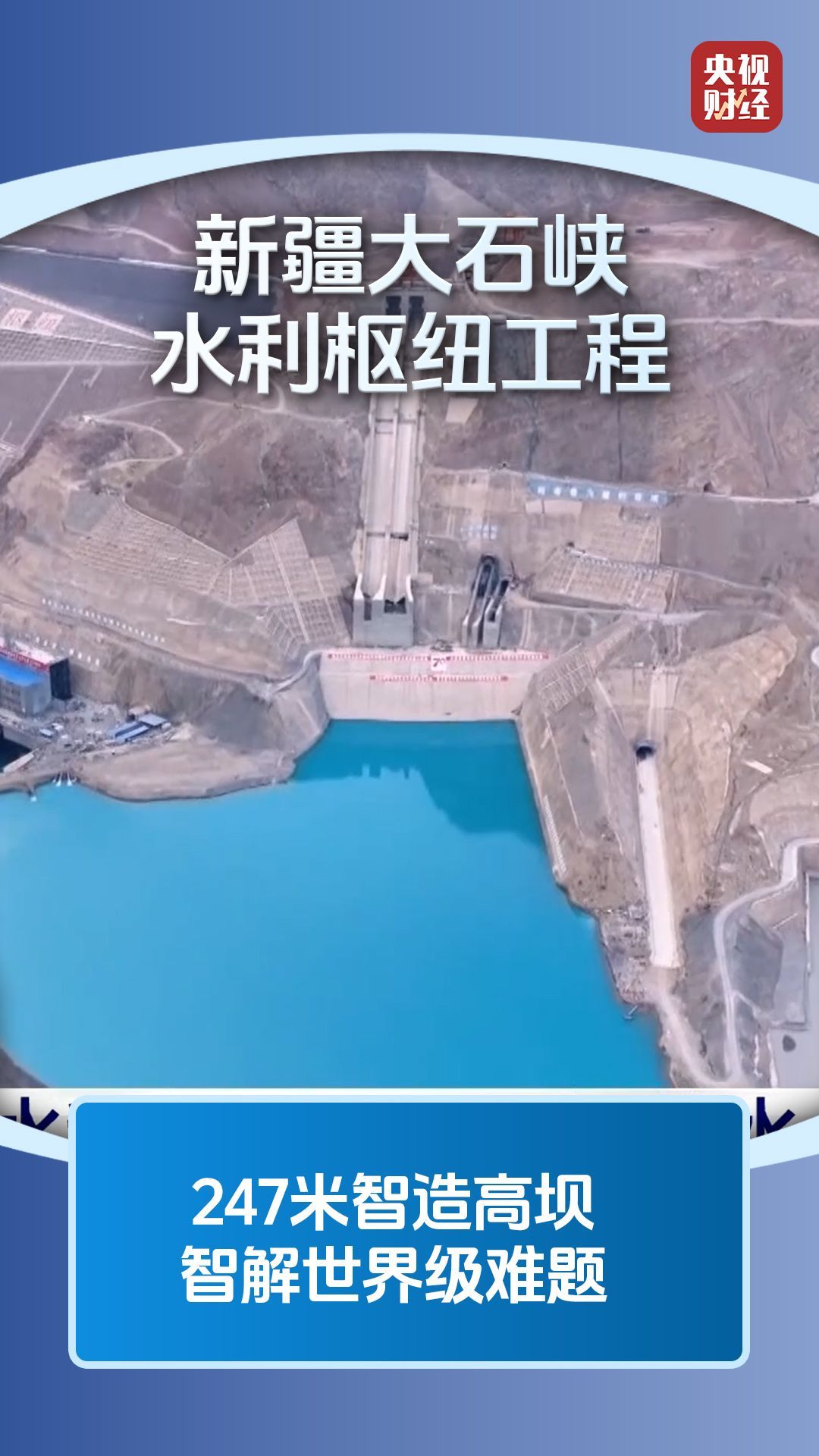
Group 1 - The core viewpoint of the articles highlights significant advancements in China's water conservancy infrastructure construction since the start of the 14th Five-Year Plan, with investments exceeding 1 trillion yuan for the first time in 2022 and projected to reach 13.529 billion yuan in 2024, totaling over 54 trillion yuan by the end of the plan, which is 1.6 times that of the previous five-year plan [1] - Since the beginning of the 14th Five-Year Plan, 172 major water conservancy projects have been initiated, optimizing the layout, structure, function, and system integration of water infrastructure [1] - By the end of 2024, China will have built 95,000 reservoirs, 200 large and medium-sized water diversion projects, 6,924 large and medium-sized irrigation areas, and 318,000 kilometers of embankments, forming the world's largest and most comprehensive water conservancy infrastructure system [1] Group 2 - The Dashi Gorge Water Conservancy Hub Project, a major national water conservancy project, has successfully begun water storage, featuring a maximum dam height of 247 meters, setting a world record for concrete-faced rockfill dams [2][5] - The project plans to install three 250,000-kilowatt turbine generator sets, with a total installed capacity of 750,000 kilowatts, capable of producing over 1.8 billion kilowatt-hours of clean electricity annually, sufficient to meet the annual electricity needs of 650,000 households [2] - The project employs "smart construction" techniques to address various challenges, including high seismic intensity and rapid flood discharge, utilizing real-time data for dynamic reservoir management and health monitoring of the dam [5] Group 3 - The Yunnan Central Water Diversion Project has made significant progress, with the successful construction of the Qujiang inverted siphon, marking a breakthrough in this major national water conservancy project [6] - This project is the largest water diversion project under construction in China, spanning 664.326 kilometers, with an average annual water diversion capacity of 3.4 billion cubic meters, benefiting over 11 million people along the route [9] - The Chongqing Zhaodu Reservoir Project has successfully completed the first tunnel, enhancing regional water supply and irrigation capabilities while serving as a flood control barrier for the surrounding areas [13]
重大水利工程新突破!
中国能源报· 2025-09-29 10:48
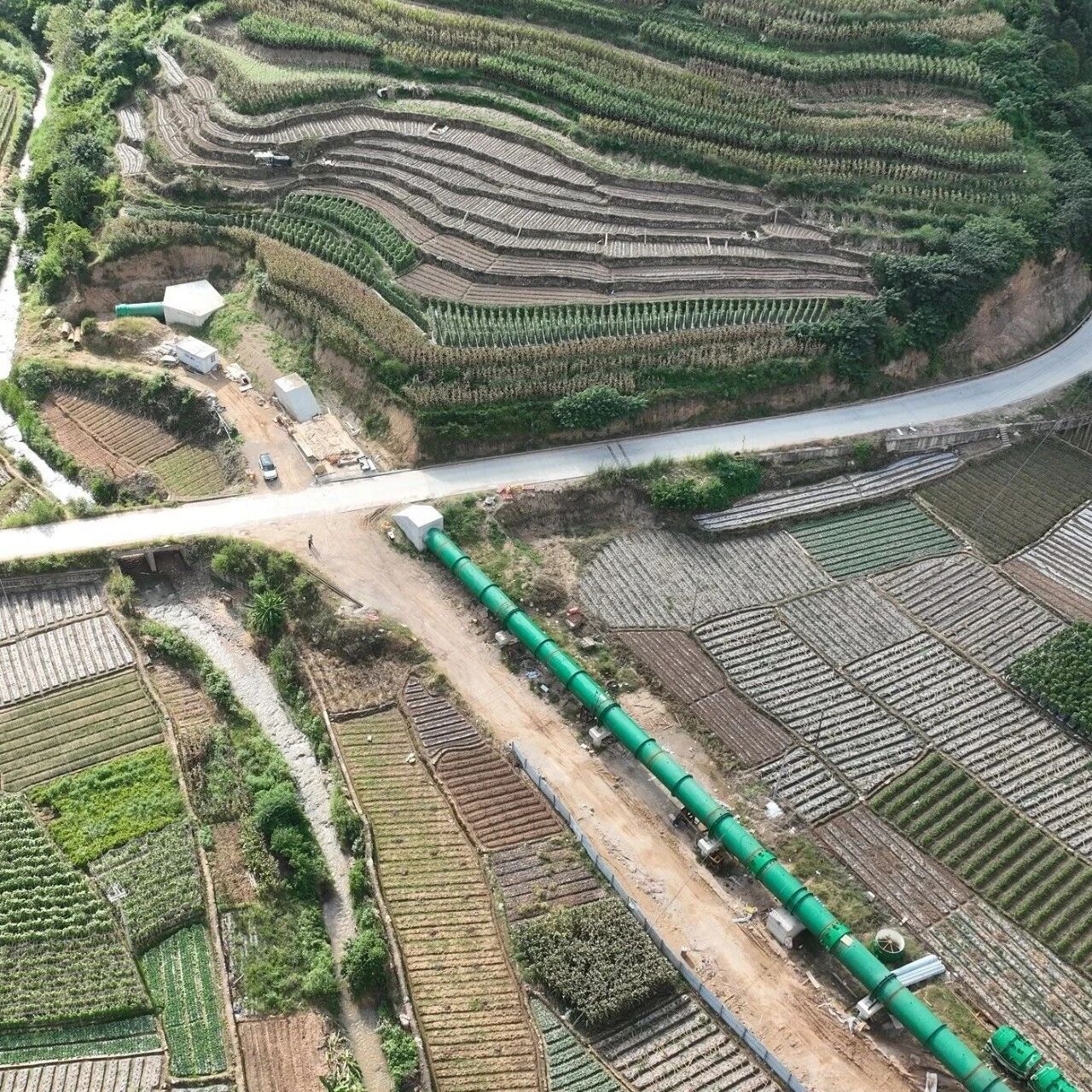
Core Viewpoint - The Dianzhong Water Diversion Project has made significant progress with the successful construction of the Qujiang inverted siphon, marking a breakthrough in this major national water conservancy project [1][2]. Group 1: Project Overview - The Qujiang inverted siphon is located in the Water Tank Village of Gaoda Township, Tonghai County, Yuxi City, and spans approximately 1829 meters, intersecting multiple transportation routes and rivers [2]. - The project is part of the largest water diversion project under construction in China, covering a total length of 664.326 kilometers, including 611 kilometers of water diversion tunnels [3][5]. Group 2: Technical Challenges and Innovations - The construction team faced challenges such as high precision requirements for road subsidence control, complex underground pipelines, and strict ecological protection standards [2]. - Innovative techniques such as refined detection, three-dimensional pipeline positioning, and ecological isolation were employed to control roadbed subsidence within 3 millimeters while ensuring the safety of the ecological environment and pipelines [2]. Group 3: Expected Impact - Upon completion, the project is expected to achieve an annual water diversion volume of 340 million cubic meters, effectively alleviating water scarcity issues in the central Yunnan region and benefiting over 11 million people along the route [5].
重大水利工程新突破 滇中引水曲江倒虹吸成功穿越峨大公路
Yang Shi Xin Wen· 2025-09-29 04:24
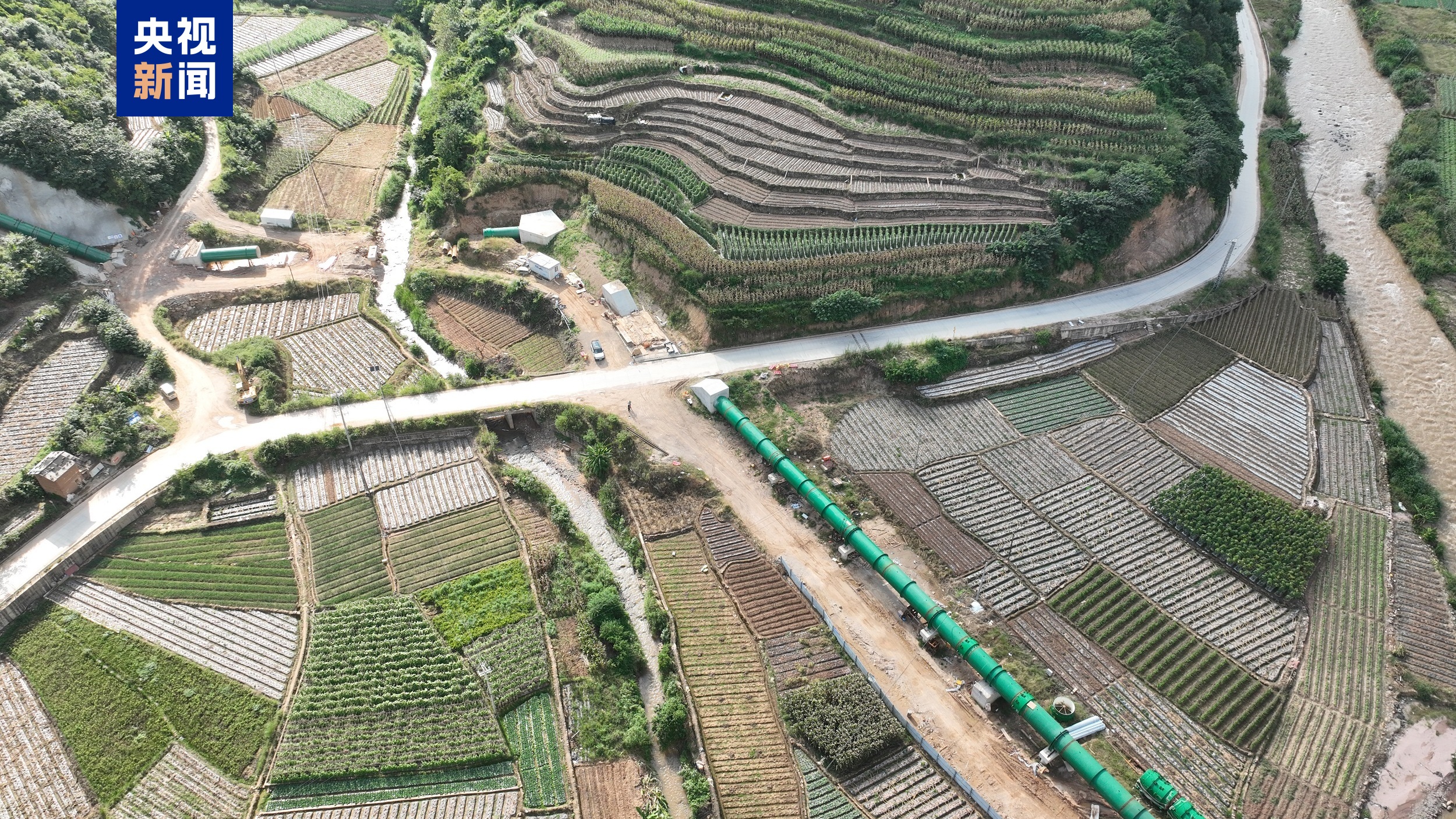
Group 1 - The core viewpoint of the news is that the Dianzhong Water Diversion Project is the largest water diversion project under construction in China, aimed at alleviating water scarcity in the central Yunnan region, benefiting over 11 million people along its route [3] - The project has a total length of 664.326 kilometers, with 611 kilometers consisting of water diversion tunnels, and is expected to achieve an annual water diversion volume of 3.4 billion cubic meters upon completion [3] - The Qujiang siphon section of the project, located in Tonghai County, faces multiple challenges including high precision requirements for road subsidence control, complex underground pipelines, and strict ecological protection demands [2] Group 2 - Innovative techniques such as refined detection, three-dimensional pipeline positioning, and ecological isolation have been employed to control roadbed subsidence within 3 millimeters while ensuring the safety of the ecological environment and pipelines along the route [2] - The project intersects with multiple transportation routes and rivers, connecting to a power station tailwater pool and the entrance of the Jimi Chong tunnel [2]
坚守一线 各地民生工程建设按下“加速键”
Yang Shi Xin Wen Ke Hu Duan· 2025-05-03 05:15
Group 1: Energy Projects - The construction of the China Green Development Ginta Multi-Energy Complementary Power Station in Gansu is accelerating, with the molten salt liquefaction process nearing completion during the May Day holiday. The power station is expected to generate 1.45 billion kilowatt-hours annually upon completion [1] - In Jiangsu, the Guodian Investment Binhai 2×1 million kilowatt thermal power expansion project is underway, with 410 workers actively engaged. Once operational, it will supply 10 billion kilowatt-hours of electricity to the Yangtze River Delta each year [1] - The Qingyu DC Phase II 100 MW solar thermal power station in Qinghai is preparing for grid connection testing, with over 100 workers involved in pipeline and heliostat inspections. This project is part of the world's first long-distance renewable energy transmission corridor and is expected to generate 227.1 million kilowatt-hours annually [1] Group 2: Civil Engineering Projects - The Kunming Changshui International Airport expansion project in Yunnan is progressing rapidly, utilizing advanced distributed IoT management to create a smart terminal [2] - The Jinan Metro Line 4 has achieved a significant breakthrough with the completion of a 589-meter underground tunnel, paving the way for its operation by the end of the year [2] - The Longyun Irrigation District project in Guangxi is over 85% complete, with the construction of three remaining dams underway. Once finished, it will improve irrigation for 514,000 acres and produce an average of 32,400 tons of grain annually [2] - The Dianzhong Water Diversion Project, the largest water resource allocation project in Southwest China, has over 2,000 workers focused on tunnel excavation. The project aims to alleviate water supply issues in urban areas and improve local ecological conditions [2]