水利基础设施建设

Search documents
江西水利投资持续扩容 水利建设获金融强力支撑
Sou Hu Cai Jing· 2026-02-04 12:41
Group 1 - The core viewpoint of the article highlights the signing of a financial support cooperation agreement for water conservancy infrastructure construction in Jiangxi Province, which aims to enhance investment and development in the sector during the "14th Five-Year Plan" and "15th Five-Year Plan" periods [2][3] - During the "14th Five-Year Plan," Jiangxi Province achieved a total water conservancy investment of approximately 297.6 billion yuan, which is 2.6 times that of the "13th Five-Year Plan," indicating significant growth in the sector [2] - The "15th Five-Year Plan" outlines 861 water conservancy projects with a total investment of 610.8 billion yuan, focusing on flood control, water resource optimization, ecological health, and digital twin technology [3] Group 2 - The Jiangxi Provincial Water Resources Department signed strategic cooperation agreements with 10 financial institutions, with a total credit amount of 330 billion yuan, which is an increase of 100 billion yuan compared to the "14th Five-Year Plan" [3] - The first batch of key financing projects for the "15th Five-Year Plan" includes 137 projects with a total investment of 133.6 billion yuan, aiming to release credit demand of 30.3 billion yuan and attract social capital investment of 8.6 billion yuan [3] - The water conservancy construction is emphasized as a crucial driver for stabilizing investment, employment, and promoting growth, with plans to enhance flood disaster prevention and water resource management capabilities [2]

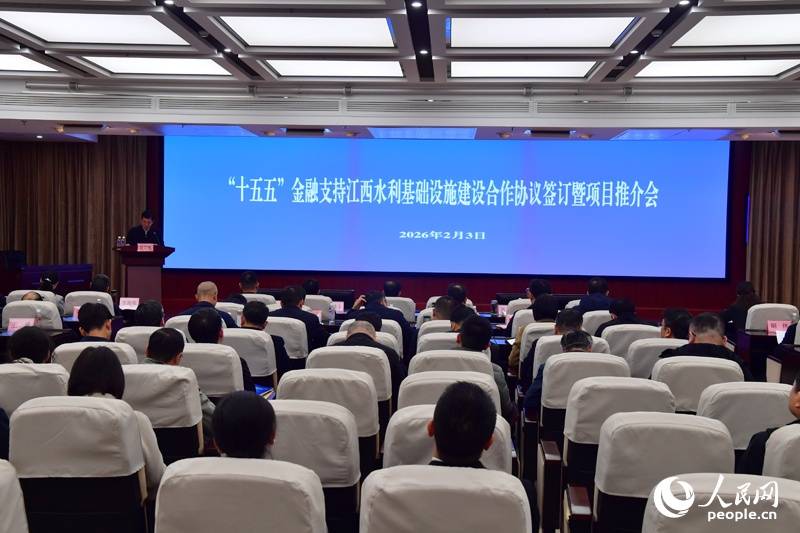
“十四五”时期水利基础设施建设全面提速 淮河流域新增水库库容二十五亿立方米
Ren Min Ri Bao· 2026-01-27 01:21
Group 1 - The core viewpoint of the article highlights the significant investment and progress in water management and infrastructure in the Huai River basin during the 14th Five-Year Plan period, with a total investment of 606 billion yuan, which is 1.63 times that of the previous five-year period [1] - By the end of the 14th Five-Year Plan, all 38 projects identified by the State Council for further management of the Huai River have commenced, with 17 projects completed and accepted [1] - The capacity of newly constructed reservoirs in the basin has increased by 2.5 billion cubic meters, with flood control capacity reaching 1.09 billion cubic meters, enhancing the flood control engineering system [1] Group 2 - The evaluation of river and lake health in the Huai River basin has been fully completed, achieving the revival goals for nine major rivers and lakes, and establishing over 2,200 happiness rivers and lakes at various administrative levels [1] - Water resource utilization has been effectively controlled, with total water usage maintained within 72.4 billion cubic meters, and groundwater extraction reduced by over 15% compared to the end of the 13th Five-Year Plan [2] - The effective utilization coefficient of irrigation water in farmland has reached 0.609, with water consumption per unit of GDP and industrial added value significantly better than the national average [2]
为保障防洪安全、供水安全、粮食安全、生态安全作出贡献
Xin Lang Cai Jing· 2026-01-09 17:39
Core Insights - The article discusses the progress and future plans of China's national water network construction, emphasizing its importance for disaster prevention, agricultural support, and overall water resource management [1][2][3][4][5][6]. Group 1: National Water Network Construction Progress - During the "14th Five-Year Plan" period, China completed water conservancy construction investments totaling 5.68 trillion yuan, with the national water network covering 80.3% of the country's land area [1][2]. - A total of 181 major water conservancy projects were initiated, and 94 were completed and put into operation, alongside the reinforcement of 17,998 dangerous reservoirs and the systematic management of 3,741 small and medium rivers [2][3]. Group 2: Agricultural Water Security - By the end of 2025, the irrigated area of arable land in China is expected to reach 109 million acres, an increase of over 5.3 million acres compared to the end of the "13th Five-Year Plan" [3]. - The Ministry of Water Resources has initiated the construction of seven large irrigation districts and is modernizing 157 medium and large irrigation districts, ensuring information sharing between irrigation districts and high-standard farmland [3]. Group 3: Disaster Prevention and Ecological Benefits - In the past year, 6,894 large and medium-sized reservoirs stored 120.2 billion cubic meters of floodwater, reducing urban flooding incidents by 1,082 times and protecting 8.3 million acres of farmland [4]. - The Ministry of Water Resources has made significant progress in groundwater management, with shallow and deep groundwater levels in North China rising by 3.76 meters and 7.65 meters, respectively, compared to 2020 [5]. Group 4: Future Plans and Investments - By 2026, the Ministry of Water Resources plans to implement a series of major water conservancy projects, including new large irrigation districts and modernization of existing ones [6]. - The financing for water conservancy infrastructure has diversified, with local government special bonds, bank loans, and social capital accounting for 36.1% of the total investment during the "14th Five-Year Plan" [6].
水利部党组学习贯彻习近平总书记对做好“三农”工作作出的重要指示和中央农村工作会议精神
Shui Li Bu Wang Zhan· 2025-12-31 10:41
Group 1 - The meeting emphasized the importance of implementing the central government's decisions regarding the modernization of agriculture and rural areas by 2026, focusing on enhancing agricultural production capacity and disaster prevention capabilities [1] - The Ministry of Water Resources plans to strengthen water infrastructure construction, including the initiation of large irrigation projects and modernization of existing irrigation systems [2] - There is a commitment to improve rural water supply systems and ensure water quality standards, while also addressing water-related poverty alleviation and support for underdeveloped regions [2] Group 2 - The meeting highlighted the need for a comprehensive reform of agricultural water pricing and the exploration of new management mechanisms for irrigation areas [2] - The Ministry aims to prevent poverty recurrence by establishing ongoing water assistance policies and enhancing support for impoverished and remote areas [2] - The focus will also be on consolidating and expanding the achievements in rural water supply and management, ensuring effective implementation of rural water projects [2]
国家重大水利工程重庆藻渡水库大坝完成填筑
Zhong Guo Xin Wen Wang· 2025-12-20 06:33
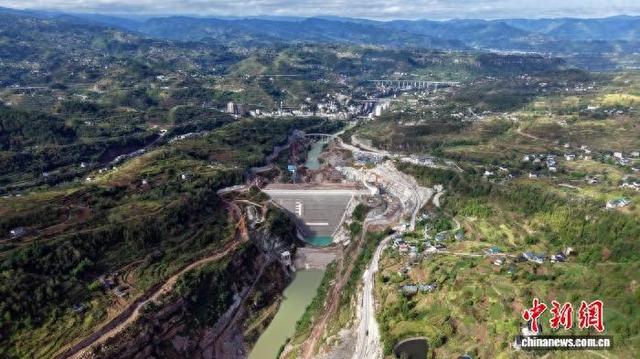
Core Viewpoint - The completion of the dam construction for the Chongqing Zhaodu Reservoir marks a significant milestone in a major national water conservancy project aimed at enhancing flood control, water supply, and irrigation capabilities in the region [2][5]. Group 1: Project Overview - The Chongqing Zhaodu Reservoir is part of 172 national water-saving and supply projects and 150 major water conservancy projects approved by the State Council, focusing on flood control, water supply, and irrigation, while also incorporating ecological and power generation functions [2]. - The total investment for the project is 10.123 billion yuan, with a total construction period of 60 months [2]. - The reservoir has a normal water storage level of 375 meters and a total capacity of 201 million cubic meters [2]. Group 2: Benefits and Impact - Upon completion, the reservoir will enhance flood control capabilities for the downstream Chongqing Qijiang urban area, providing an additional annual water supply of approximately 17.9 million cubic meters and increasing irrigated land by 170,000 acres [2]. - The project will also improve irrigation for an additional 65,000 acres, ensuring water security for districts such as Chongqing Nan'an, Qijiang, Banan, and Jiangjin [2]. - The reservoir will utilize ecological flow and surplus water for power generation, with a power station capacity of 12,000 kilowatts and an average annual electricity generation of 44.94 million kilowatt-hours [2]. Group 3: Construction Details - The dam structure is a concrete-faced rockfill dam with a maximum height of 104.5 meters, and the completion of the dam filling to a height of 376.3 meters is a critical step for the project [5]. - The quality of the dam filling is crucial for its ability to store water, control floods, supply water, and generate power, directly affecting the stability and safety of the dam's operation [5]. - Current construction includes the spillway, drainage tunnel, and water conveyance tunnel, with plans to strengthen construction management for the foundation of water storage by 2027 [7].
数说“十四五”水利事业“含金量” “幸福河湖”流淌出百姓“幸福生活”
Yang Shi Wang· 2025-10-21 01:51
Core Viewpoint - The article emphasizes the significant advancements in China's water conservancy infrastructure during the "14th Five-Year Plan," highlighting the construction of the world's largest and most comprehensive water management system, which benefits a vast population [1][21][22]. Summary by Sections Water Infrastructure Development - China has built 95,000 reservoirs, creating a robust safety barrier, and has implemented 200 major water diversion projects that support millions of households [1][21]. - The South-to-North Water Diversion Project has transferred over 83 billion cubic meters of water, benefiting 195 million people in major cities along the route [1]. Major Projects Under Construction - The "Yinjiang Supplementing Han" project, part of the South-to-North Water Diversion initiative, involves creating a nearly 200-kilometer underground corridor to facilitate water flow from the Yangtze River to the Danjiangkou Reservoir, with an annual capacity of 3 billion cubic meters [5][10]. - The construction of the Guxian Water Conservancy Hub in the Yellow River region is progressing, with efforts to address complex geological conditions [8][10]. Technological Innovations - The "Jianghan Ping'an" shield tunneling machine, equipped with advanced technologies, is being utilized for the underground construction of the Yinjiang project, showcasing innovations in engineering [7]. Environmental and Social Impact - The article highlights the ecological restoration of rivers and lakes, which has improved the living conditions for residents, creating green corridors and enhancing biodiversity [13][20]. - The revival of the Nandao Spring in Shanxi, which had previously dried up, illustrates the positive outcomes of water management efforts [16][18]. Investment and Economic Impact - Water infrastructure investment reached over 1 trillion yuan in 2022, marking a historic milestone and reflecting the government's commitment to enhancing water management capabilities [21]. - The rural water supply system has been significantly improved, with a projected 96% coverage of tap water in rural areas by the end of the "14th Five-Year Plan" [21].
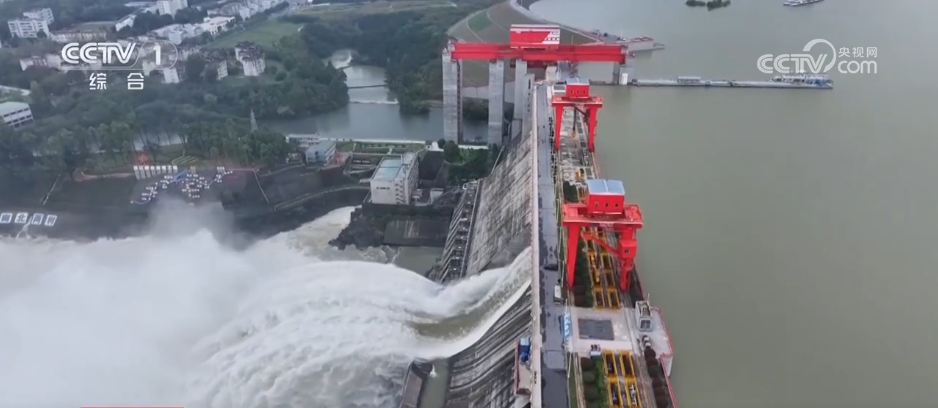
奋进的中国 我们的“十四五”|治水兴邦 数说五年水利之最
Yang Shi Wang· 2025-10-19 21:40
Core Insights - Over the past five years, China has significantly accelerated the construction of water conservancy projects, achieving a historic investment milestone of over 1 trillion yuan in 2022, marking a continuous three-year record-breaking trend [1] Infrastructure Development - China has enhanced its flood and drought disaster prevention system, with a flood control reservoir capacity of 185.6 billion cubic meters, protecting a population of 660 million [1] - The country has built 95,000 reservoirs, with a total capacity exceeding 1 trillion cubic meters, leading the world in the number and capacity of reservoirs, including high dams [1] Water Supply and Irrigation - A large number of water source, diversion, and irrigation projects have been constructed, with a total water supply capacity reaching 900 billion cubic meters [1] - China has established the world's largest rural centralized water supply system, with a projected rural tap water coverage rate of 96% by the end of the 14th Five-Year Plan [1] Comprehensive Water Management - The country has formed the largest, most comprehensive water conservancy infrastructure system globally, addressing flood control, water supply, irrigation, and ecological needs [1]
五年间创多项世界之最!数说中国水利“含金量”
Yang Shi Xin Wen Ke Hu Duan· 2025-10-19 07:03
Core Insights - During the "14th Five-Year Plan," China's water conservancy construction achieved multiple world records, showcasing the significant investment and development in this sector [1] Investment and Infrastructure - In the past five years, China has significantly advanced water conservancy infrastructure, with investment in water conservancy construction exceeding 1 trillion yuan in 2022, marking a historic milestone and breaking records for three consecutive years [1] - The total storage capacity of reservoirs in China has reached over 1 trillion cubic meters, with 95,000 reservoirs built, making it the highest in the world in terms of types, numbers, and high dam constructions [1] Disaster Prevention and Water Supply - China has improved its flood and drought disaster prevention system, with a flood control reservoir capacity of 185.6 billion cubic meters, protecting a population of 660 million [1] - The water supply capacity of water conservancy projects has reached 900 billion cubic meters, and by the end of the "14th Five-Year Plan," the rural tap water coverage rate is expected to reach 96%, establishing the largest rural centralized water supply system globally [1] Comprehensive Water Management - China has formed the world's largest, most comprehensive water conservancy infrastructure system, addressing all areas of demand including flood control, water supply, irrigation, and ecological needs [1]
古巴东部圣地亚哥省遭受严重干旱
Shang Wu Bu Wang Zhan· 2025-10-09 16:55
Core Viewpoint - Eastern Santiago province in Cuba is facing severe drought, necessitating urgent improvements in water infrastructure and sustainable strategies [1] Summary by Relevant Sections - **Drought Impact** - Over 400,000 residents in 59 communities across four municipalities are affected by water supply shortages, marking the most complex hydrological record since 2014 [1] - **Government Response** - The government plans to prioritize the repair of critical pumping stations and water purification plants to meet the immediate water needs of affected residents [1]
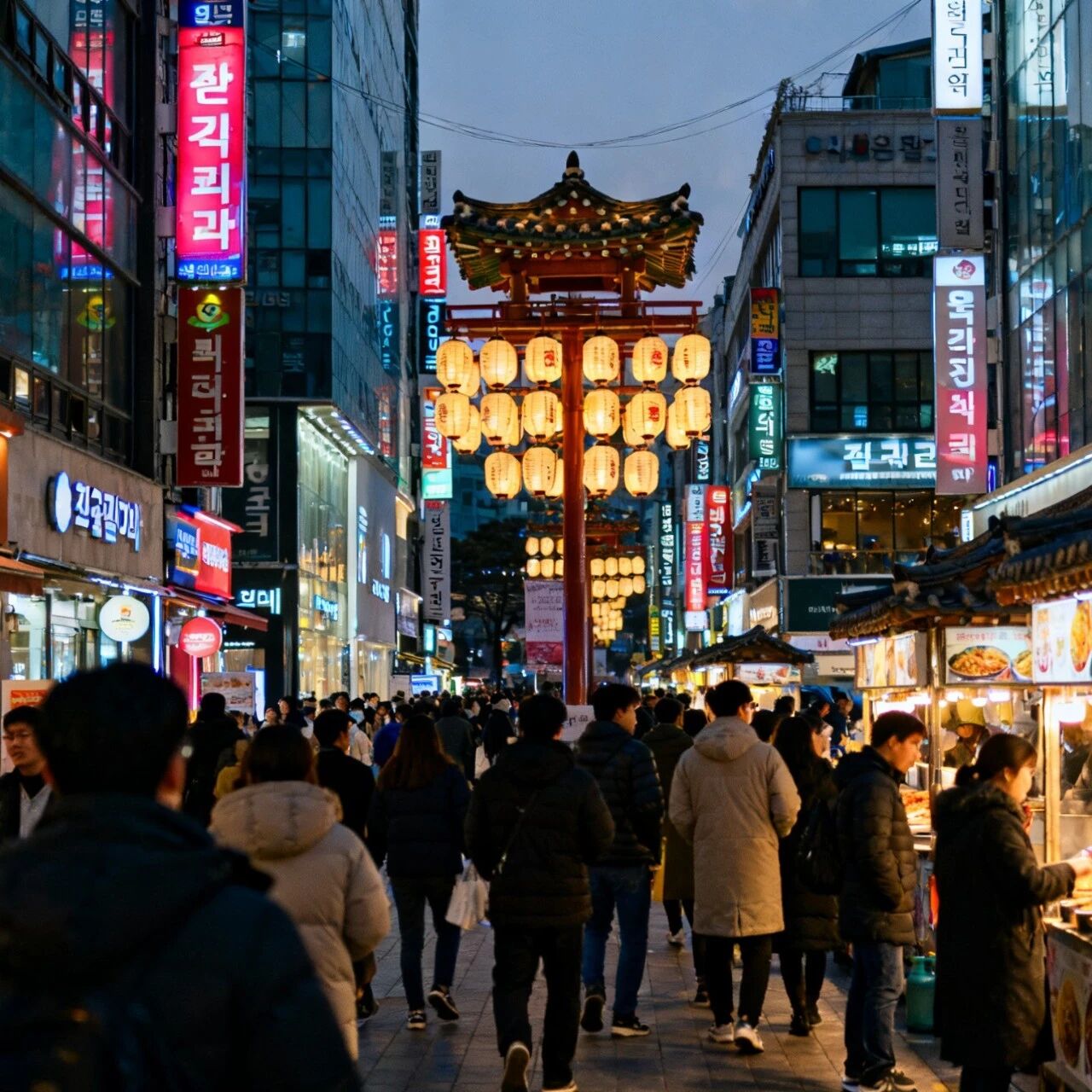
韩国对华免签生效|首席资讯日报
首席商业评论· 2025-09-30 04:02
Group 1 - South Korea has implemented a visa-free entry policy for Chinese group tourists from September 29 to June 30 next year, with expectations of over 5 million Chinese visitors to South Korea this year [2] - The retail and tourism sectors in South Korea are preparing for the influx of Chinese tourists, including hiring Chinese-speaking staff and introducing Chinese menus [2] - In the first half of this year, Chinese tourists accounted for 28.6% of all foreign visitors to South Korea [2] Group 2 - Tmall's "Double 11" sales event will begin pre-sales on October 15, 2025, with the actual sales starting on October 20, 2025 [3] - The pre-sale period for "Double 11" has not been advanced compared to the previous year [3] Group 3 - The total pre-sale box office for new films during the 2025 National Day holiday has exceeded 80 million [4] - The top three films in pre-sale are "Thunderous," "Assassination Novelist 2," and "Volunteers: Bloodbath for Peace" [4] Group 4 - China's water conservancy infrastructure has become the largest in the world, with investments exceeding 1 trillion yuan for the first time in 2022 and projected to reach 1.3529 trillion yuan in 2024 [5] - During the "14th Five-Year Plan," 172 major water conservancy projects have commenced, optimizing the layout and functionality of water infrastructure [5] Group 5 - The chairman of Foshan Lighting, Wan Shan, has resigned, marking the fourth executive departure within a month [6] Group 6 - Airbus has appointed Troy Wang as the global senior vice president and head of commercial for Airbus China starting January 1, 2026 [7] Group 7 - Wang Jianlin's "height restriction" measures have been lifted, indicating a resolution to the economic disputes faced by Wanda Group [8] Group 8 - Huang Renxun clarified misconceptions about China's ability to produce AI chips, stating that claims of China being two to three years behind the U.S. are unfounded [9] Group 9 - Southeast Asia's tourism landscape is evolving, with Vietnam receiving nearly 14 million international tourists in the first eight months of the year, a 21.7% increase, and China being the largest source of tourists [10] Group 10 - Morgan Stanley has raised Alibaba's ADR target price from $165 to $200, citing optimism about its cloud computing business growth [11] Group 11 - JD Health announced the resignation of CEO Jin Enlin, with Cao Dong appointed as the new CEO [12] Group 12 - Apple CEO Tim Cook confirmed his personal investments in Bitcoin and Ethereum but dismissed the idea of Apple accepting cryptocurrency for purchases [13]