潮流线HÉLÀ系列

Search documents
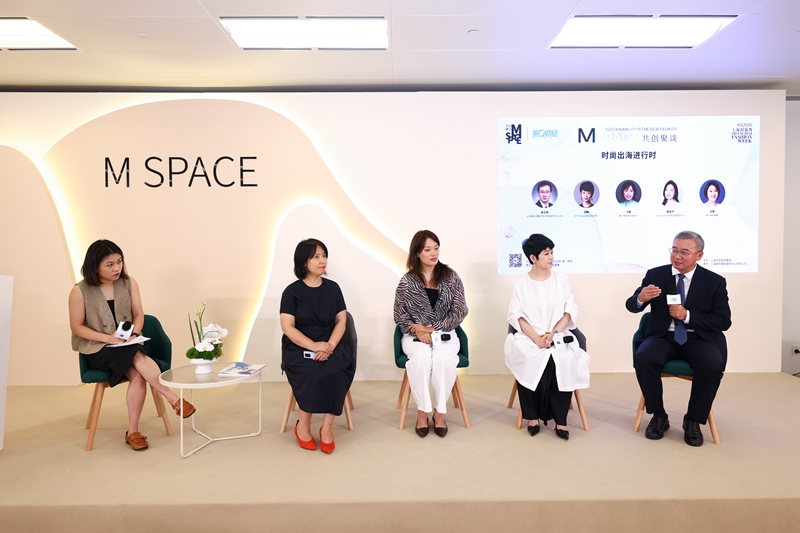
时尚品牌出海,东南亚是最优选吗 |上海时装周圆桌
Di Yi Cai Jing· 2025-10-22 06:38
Core Insights - The roundtable discussion "Fashion Going Global" at the 2026 Spring/Summer Shanghai Fashion Week focused on the challenges and strategies for Chinese fashion brands expanding into global markets [1][3] - Chinese brands are increasingly viewing Southeast Asia as a primary destination for international expansion, leveraging geographical proximity and cultural ties [3][6] - The recent signing of the upgraded China-ASEAN Free Trade Area 3.0 is expected to further enhance economic integration and cooperation between China and Southeast Asian countries [6][7] Group 1: Market Expansion Strategies - Chinese fashion brands are establishing a presence in Southeast Asia, with notable examples including Urban Revivo's largest overseas store in Bangkok and AnTa's collaboration with JD Sports in Paris [3][6] - The importance of localizing brand names and marketing strategies to resonate with local cultures was emphasized, highlighting the pitfalls of direct translations and cultural misinterpretations [9][10] - The use of AI and technology tools is crucial for understanding consumer behavior and enhancing marketing effectiveness in foreign markets [10][11] Group 2: Economic and Cultural Context - Southeast Asia's population of nearly 700 million, predominantly young, presents a significant labor and consumer market advantage for Chinese brands [7] - The region's economic stability and growth, with an average GDP growth rate above 5%, make it an attractive market for Chinese enterprises [7] - The cultural exchange and integration of Chinese brands into local markets can enhance brand value and consumer connection, particularly for niche designer brands [15]