
火灾险

Search documents
香港大埔住宅楼火灾,业主买了哪些保险、如何赔付
21世纪经济报道· 2025-11-27 09:14
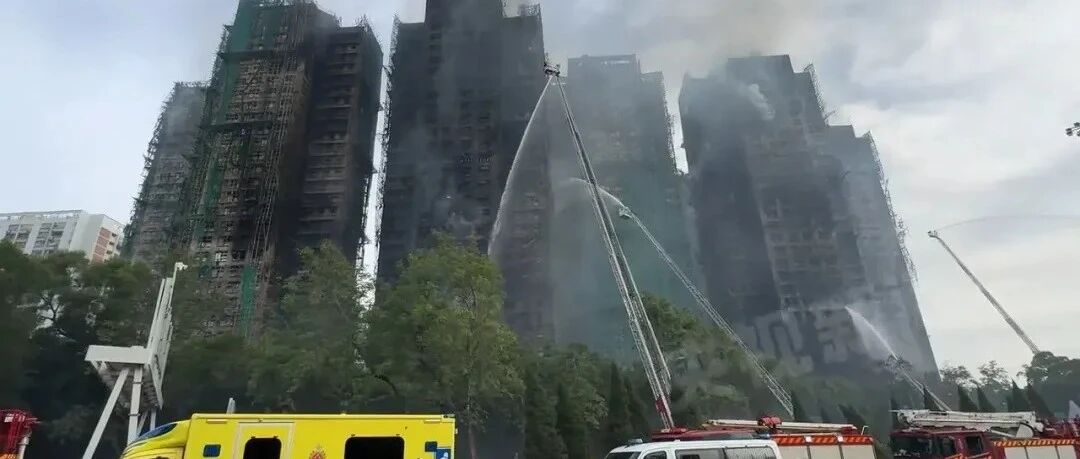
Core Viewpoint - The article discusses the recent fire incident in Hong Kong's Tai Po district, highlighting the emergency response from insurance companies and the types of insurance coverage available for affected individuals [1][11]. Insurance Response - Multiple insurance companies have activated emergency claims services in response to the fire, including opening green channels for claims, providing rescue assistance, and simplifying claims procedures [1]. - As of the article's publication, no insurance company had disclosed information regarding claims made by policyholders [1]. Types of Insurance Coverage - The article outlines the types of insurance that may cover individuals affected by the fire, including medical insurance, accident disability, and death coverage, depending on the specific policies purchased by clients [1]. - China Taiping (Hong Kong) has a total insurance premium of approximately 337,737.4 HKD for two years, which breaks down to about 168,868.7 HKD per year [2][4]. Insurance Categories and Coverage - The insurance categories include: - Building and public area property insurance with a coverage amount of 2 billion HKD [2][4]. - Public liability insurance covering third-party personal injury with a limit of 10 million HKD per event and 20 million HKD for property damage [2][4]. - Cash insurance covering cash in transit and in safes, with coverage amounts of 100,000 HKD and 30,000 HKD respectively [2][4]. - Group personal accident insurance for participants in corporate activities, with a maximum coverage of 100,000 HKD per person [2][4]. Fire Insurance and Home Insurance - In Hong Kong, fire insurance, also known as building structure insurance, covers the structure of the building but not the contents within [5][6]. - Home insurance protects personal belongings within the property, covering losses due to incidents like fire, water damage, and theft [6][8]. - The two types of insurance complement each other, providing comprehensive coverage for both the building and its contents [6][8]. Regulatory Requirements - Banks typically require homeowners to purchase fire insurance as a condition for mortgage approval, although homeowners can choose their insurance provider [7][10]. - Tenants are not required to purchase fire insurance, and if a building management company has already secured collective fire insurance, individual homeowners do not need to buy additional coverage [7][10].


香港大埔住宅楼火灾,业主买了哪些保险、如何赔付
2 1 Shi Ji Jing Ji Bao Dao· 2025-11-27 08:21
Core Insights - A significant fire occurred in Hong Kong's Tai Po district, resulting in major casualties and prompting emergency response efforts from the government and various sectors [1] - Multiple insurance companies have activated emergency claims services, including simplified claims processes and proactive outreach to affected clients, although no claims have been reported yet [1] - The insurance coverage for the affected properties includes various types of insurance, such as building and public liability insurance, with specific coverage limits outlined [2][3] Insurance Coverage Details - The building and public area property insurance has a coverage limit of HKD 2 billion, while public liability insurance covers third-party personal injury with a limit of HKD 10 million [2] - Cash insurance covers three scenarios with limits of HKD 100,000 for cash in transit and HKD 30,000 for cash stored in safes during non-office hours [2] - Collective personal accident insurance provides coverage for participants in corporate activities, with a maximum coverage of HKD 100,000 per person [2] Fire Insurance Specifics - Fire insurance, also known as building structure insurance, covers the physical structure of the building but does not cover personal property losses [3][4] - Home insurance, in contrast, protects personal belongings within the property, such as furniture and appliances, from losses due to incidents like fire [3][4] - In Hong Kong, banks typically require homeowners to purchase fire insurance as a condition for mortgage approval, although homeowners can choose their insurance provider [4]