火车票抢票服务

Search documents
中经评论:购票能不能少些套路
Jing Ji Ri Bao· 2026-01-07 00:02
Core Viewpoint - The article highlights the problematic practices of online travel platforms during the Spring Festival ticket purchasing process, emphasizing the need for transparency and fairness in pricing options for consumers [1][3]. Group 1: Pricing Practices - Online travel platforms are employing two main strategies to encourage consumers to spend more: overtly imposing additional charges and subtly guiding users towards higher-priced options [2]. - Some platforms, like "××纵横," have removed the original price ticket option, forcing users to choose from higher-priced packages, which raises concerns about consumer choice being compromised [2]. - Other platforms use visual cues to highlight paid options, making it difficult for consumers to find the basic ticket purchase option, which is presented in less noticeable text [2]. Group 2: Business Motivations - The primary motivation for platforms to engage in upselling practices is financial gain, as they earn commissions on ticket sales but seek to increase revenue through additional services like insurance and hotel bookings [3]. - Despite regulations established by the E-commerce Law in 2019 to prevent default opt-in for bundled services, many platforms continue to exploit loopholes by making paid options more visually appealing [3]. Group 3: Regulatory and Consumer Actions - Regulatory bodies need to enhance their oversight and enforcement capabilities to address the evolving tactics of hidden charges and implicit coercion used by platforms [4]. - Consumers are encouraged to be vigilant when purchasing tickets, carefully reviewing order details and rejecting unnecessary services to protect themselves from being overcharged [4].
国庆抢票必看!加速包有用吗?省消保委实测9大平台:当心多花钱反被坑!
Huan Qiu Wang· 2025-09-22 09:44
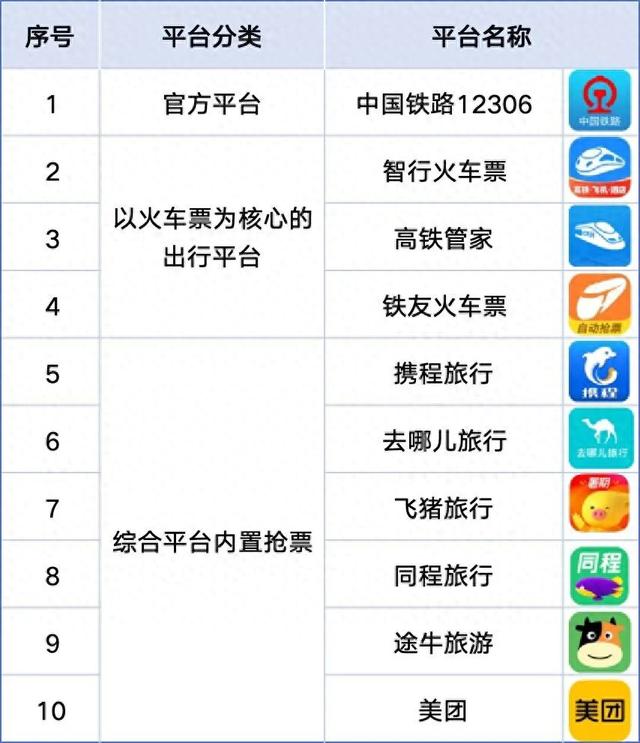
Core Insights - The investigation by Jiangsu Consumer Protection Committee reveals consumer concerns and behaviors regarding third-party train ticket booking platforms, especially during peak travel seasons like the National Day holiday [1][2]. Group 1: Survey Methodology - The survey utilized a combination of online questionnaires, offline experiences, and analysis of service agreements and public sentiment, collecting 4,507 valid online responses and covering nine major platforms [2][3]. Group 2: Consumer Usage Patterns - Over 91% of respondents have used third-party ticket booking platforms, with the highest frequency of use being 3-5 times and 6-10 times per year, aligning with weekend and holiday travel [3][4]. Group 3: Success Rates and Security Concerns - More than 52% of respondents chose third-party platforms for their higher success rates, while concerns about software risks and information security were the main reasons for not using these services [4][5]. - Approximately 70% of users rated the success rate of these platforms as average to high, indicating a demand for effective ticket booking solutions [5][6]. Group 4: Acceleration Packages - Over half of the respondents occasionally purchase acceleration packages, but nearly 38% doubt their effectiveness, suggesting a psychological pressure to buy despite skepticism [5][6]. - Nearly 49% of users are willing to pay between 10-30 yuan for acceleration packages, indicating a preference for low to moderate spending [5][6]. Group 5: User Satisfaction and Complaints - Overall satisfaction with third-party platforms exceeds 70%, but issues such as poor refund and exchange experiences, misleading consumption practices, and inaccurate ticket availability were significant sources of dissatisfaction [5][6]. - More than half of the respondents identified hidden consumption traps, such as default selections for additional services, as a major concern [6][7]. Group 6: Information Security Issues - Over 40% of respondents expressed concerns about personal information security during the ticket booking process, with excessive data collection being a prominent issue [6][7]. Group 7: Discrepancies in Service Expectations - Experience surveys indicated that the actual ticket booking results often did not meet consumer expectations, leading to disputes over fees, particularly in multi-segment ticketing [6][7]. Group 8: Recommendations for Improvement - Platforms are encouraged to enhance self-regulation, improve service quality, and ensure transparent pricing for additional services, while regulatory bodies should strengthen oversight to protect consumer rights [6][7][8].