炭化植物种子

Search documents
温故|“太保墉燕”琉璃河讲述北京“城之源”
Bei Jing Ri Bao Ke Hu Duan· 2025-10-08 23:47
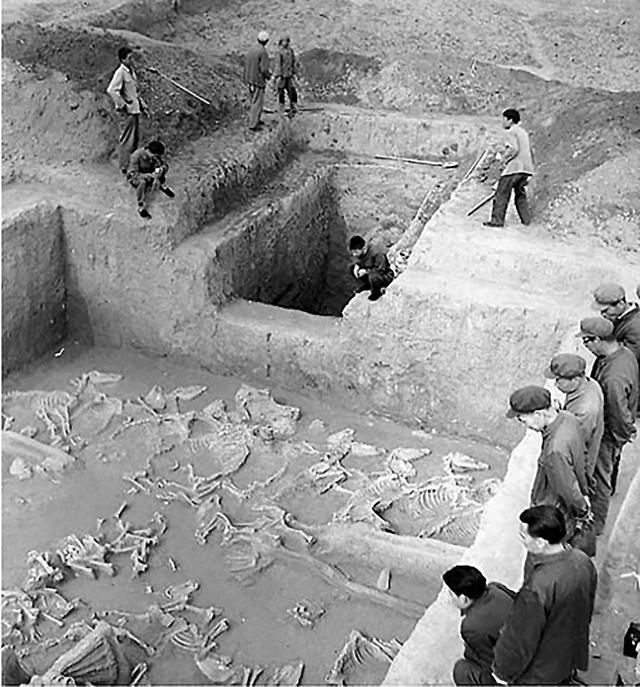
Core Insights - The article highlights the 80th anniversary of the Liulihe site discovery and the ongoing archaeological efforts that have established Beijing's 3,000-year history of urban development [1][8][24] Archaeological Discoveries - The Liulihe site, located in Fangshan District, Beijing, was discovered in 1945 during a construction project, leading to significant archaeological findings [1][5] - Initial excavations in the 1970s revealed a large ancient city site and over 200 Western Zhou tombs, along with numerous bronze artifacts [5][7] - The site has yielded important artifacts, including the largest bronze vessel found in Beijing, weighing 41.5 kg and standing 62 cm tall [5][7] Historical Significance - The discoveries at Liulihe have redefined the understanding of Beijing's history, pushing back the timeline of urban settlement to approximately 3,035 years ago [8][11] - Artifacts with inscriptions have confirmed the existence of the Yan state and its early capital in the region, providing insights into the social structure and governance of the time [9][11] Museum and Public Engagement - The establishment of the Western Zhou Yan Capital Site Museum in 1995 has played a crucial role in preserving and showcasing the findings from the Liulihe site [12][13] - The museum has hosted significant exhibitions, attracting visitors and educational groups, thereby enhancing public awareness of the historical significance of the site [13][15] Ongoing Research and Future Plans - Continuous archaeological work at the Liulihe site has led to new discoveries, including bronze vessels and other artifacts, further supporting its status as the starting point of Beijing's urban history [24][22] - Plans for the construction of a large archaeological park are underway, aimed at preserving the site and enhancing its educational and recreational value [19][21][24]