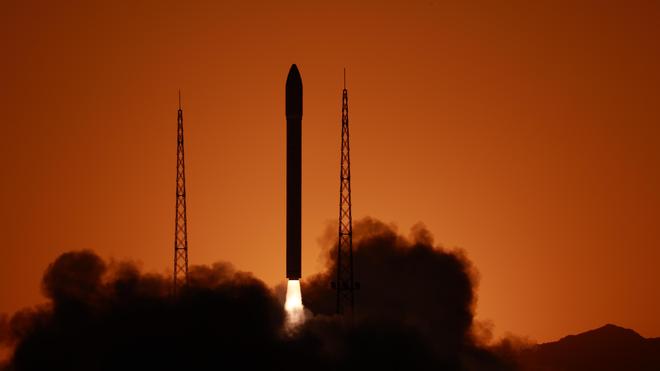
爱神星留轨试验平台

Search documents
四川“资阳造”第三枚运载火箭精确送入预定太阳同步轨道
Huan Qiu Wang Zi Xun· 2025-09-06 10:25
Core Insights - Xinghe Power successfully launched the Vesta-1 rocket, delivering a total of 27 satellites and the Aishen Star experimental platform into a predetermined sun-synchronous orbit [1][3]. Group 1: Launch Details - The launch, named "Qiao Qiao Xian," symbolizes the integration of space exploration and poetic ideals, reflecting a cultural significance [3]. - The mission included four satellites with distinct functions: Kaiyun-1 for Earth observation, Zhixing-1 for material verification and imaging, and YunYao-1 for GNSS occultation detection [3][5]. - The Aishen Star platform is China's first commercial rocket upper stage designed for long-term orbital operation, enhancing the utility of the rocket's upper stage [5]. Group 2: Technological Advancements - The Aishen Star platform was adapted from the Vesta-1 rocket's upper stage, enabling it to provide low-cost and efficient in-orbit testing services for new technologies and products [5]. - This innovation marks a significant step in resource reuse within the commercial space sector, potentially opening new pathways for future developments [5]. Group 3: Industry Positioning - Ziyang is establishing itself as a comprehensive commercial rocket hub in Western China, aiming to become a core growth area for the commercial space industry and a benchmark for low-cost manufacturing [7]. - The city is transitioning from merely being a "space delivery service" to a provider of critical core technologies, expanding its role in the space industry [8].

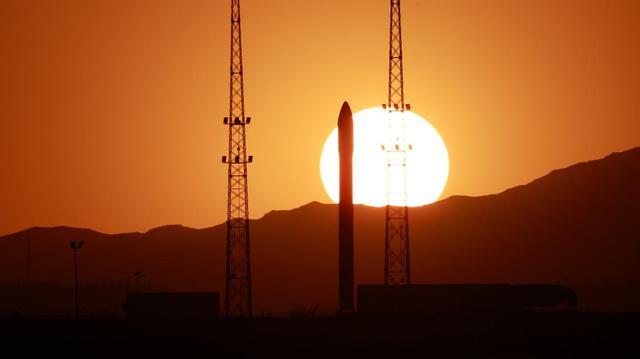
谷神星一号运载火箭成功发射 中国航天“一日两箭”
Zhong Guo Xin Wen Wang· 2025-09-06 02:04
Core Insights - On September 5, China successfully launched the Ceres-1 rocket from the Jiuquan Satellite Launch Center, deploying multiple satellites including the Kaiyun-1, Yuxing-3 08, and Yunyang-1 27, marking the second rocket launch of the day [1][2] Group 1: Satellite Missions - The Kaiyun-1 satellite focuses on Earth observation and spatial perception, tasked with data collection and transmission to support various scientific research initiatives [1] - The Yuxing-3 08 satellite is primarily engaged in the in-orbit verification of new temperature-variable materials, and will later utilize its 5-meter resolution remote sensing camera for Earth imaging tasks [1] - The Yunyang-1 27 satellite is designed to gather information on atmospheric temperature, humidity, pressure, and ionospheric electron density [1] Group 2: Test Platforms and Technologies - The Aishen Star orbital test platform, developed by Xinghe Power Aerospace, is a commercial rocket upper stage that will continue to operate in orbit after completing its primary mission, conducting long-duration in-orbit tests using its atmospheric detection and visible light payloads [2] - The Aishen Star platform has undergone adaptive modifications to enhance its long-term operational capabilities in orbit, providing low-cost and efficient in-orbit testing and validation services for various new technologies, devices, and products [2] - On the same day, China also successfully launched the Long March 3B rocket, which deployed the Shiyan-29 satellite into its designated orbit [2]
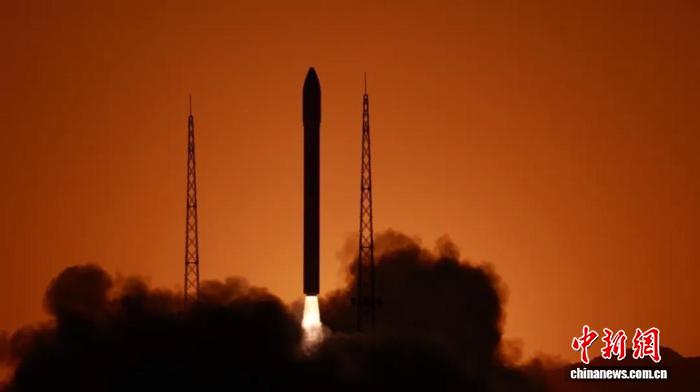
谷神星一号(遥十五)发射 解锁商业航天新场景
2 1 Shi Ji Jing Ji Bao Dao· 2025-09-05 14:46
Core Points - The successful launch of the Ceres-1 (Yao-15) rocket by Xinghe Power Aerospace on September 5, 2023, marks a significant achievement in China's commercial space sector, delivering three satellites and a test platform into a sun-synchronous orbit [1][4] Group 1: Launch Details - The Ceres-1 rocket successfully placed three satellites into orbit: Kaiyun-1, Yuxing-3 08, and YunYao-1 27, along with the Aishen Star test platform [1][4] - The launch took place at the Jiuquan Satellite Launch Center, demonstrating the capabilities of domestic commercial launch vehicles [1] Group 2: Satellite Functions - Kaiyun-1 focuses on Earth observation and spatial perception, providing critical data for various scientific research projects [4] - Yuxing-3 08 is set to validate new temperature-variable materials in orbit and will utilize a 5-meter resolution remote sensing camera for Earth imaging [4] - YunYao-1 27 is equipped for GNSS occultation detection, capable of retrieving atmospheric temperature, humidity, pressure, and ionospheric electron density information through GNSS signal refraction [4] Group 3: Aishen Star Test Platform - The Aishen Star test platform, developed by Xinghe Power Aerospace, is the first commercial rocket upper-stage test platform in China, designed for long-term operation in orbit [4] - It will carry atmospheric detection and visible light payloads, among others, to conduct extended on-orbit testing [4] - This innovation enhances the utilization value of rocket upper stages and provides low-cost, efficient on-orbit testing services for new technologies and products in the commercial space sector [4]
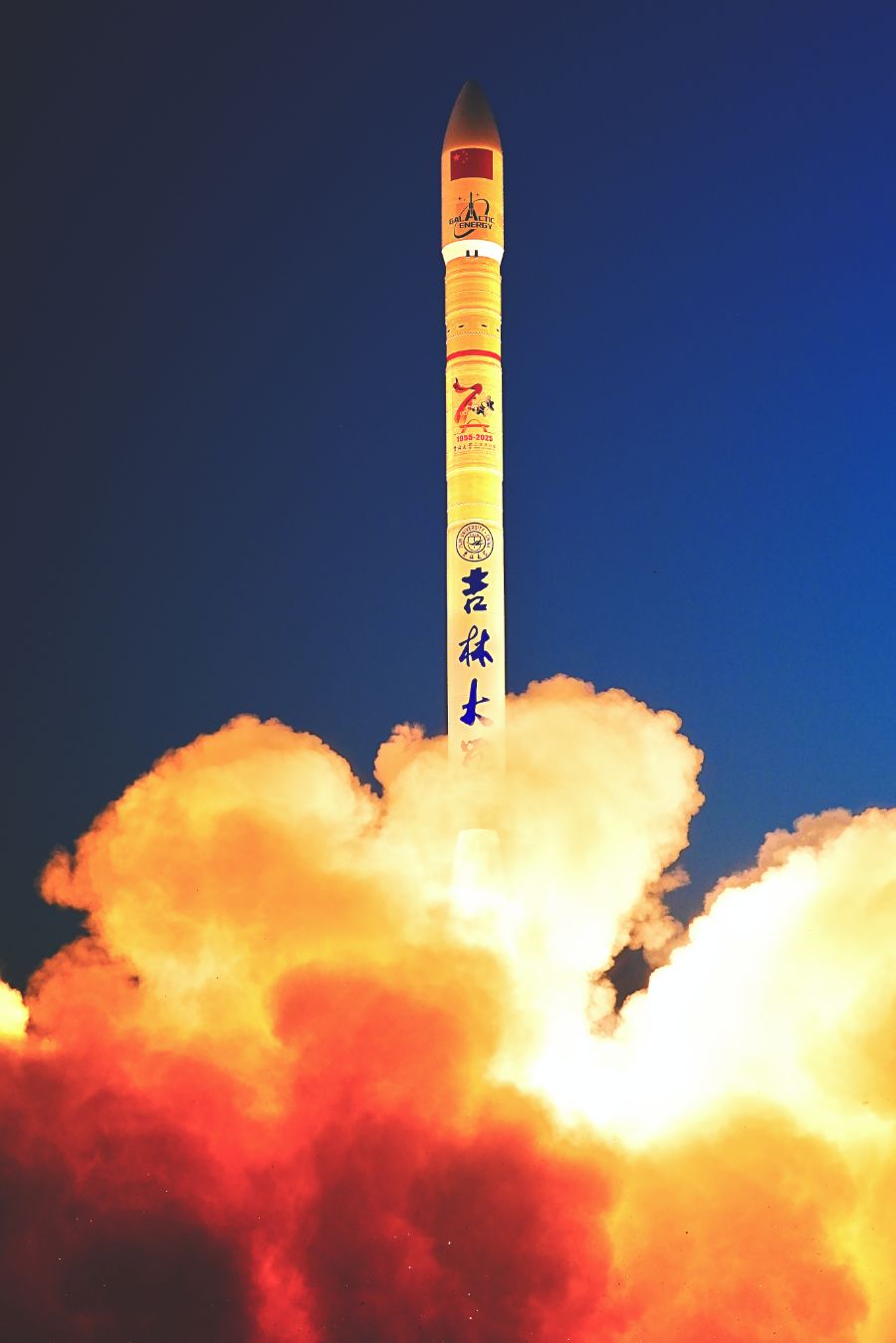
谷神星一号火箭发射成功,爱神星太空相会
Huan Qiu Wang Zi Xun· 2025-09-05 12:49
Core Points - The successful launch of the Vesta-1 (Yao 15) rocket by Xinghe Power Aerospace on September 5, 2025, marks a significant achievement in China's space exploration efforts, delivering three satellites and a test platform into a sun-synchronous orbit [1] - The mission, named "Qiao Qiao Xian," symbolizes the fusion of space exploration and poetic ideals, reflecting a cultural significance [1] Group 1: Satellite Details - The Kaiyun-1 satellite focuses on Earth observation and spatial perception, providing critical data support for various scientific research projects [2] - The Yuxing-3 No. 08 satellite is designed for in-orbit verification of new temperature-variable materials and will later utilize its 5-meter resolution remote sensing camera for Earth imaging tasks [2] - The YunYao-1 No. 27 satellite, developed by Tianyi Research Institute and YunYao Aerospace, is equipped for GNSS occultation detection, allowing it to retrieve atmospheric temperature, humidity, pressure, and ionospheric electron density information [2] Group 2: Test Platform and Innovations - The Aishen Star test platform, a domestically developed commercial rocket upper stage, will continue to operate in orbit after completing its primary mission, carrying various payloads for long-term in-orbit testing [2][3] - The Aishen Star platform represents a significant advancement, being the second launch following the successful deployment of the first Aishen Star on June 6, 2024, and aims to achieve a historic dual presence in space [2] - The platform's adaptive modifications and system upgrades enhance its capability for long-term operation, providing low-cost and efficient in-orbit testing services for new technologies and products, thereby increasing the utilization value of rocket upper stages [3]