
猿创未来人工智能教育平台

Search documents
当教育遇见AI:猿编程用4C体系叩问未来
Zheng Quan Ri Bao Wang· 2025-12-08 11:46
Core Insights - The Ministry of Education and six other departments have issued guidelines to strengthen science and technology education in primary and secondary schools, aiming for a comprehensive educational ecosystem by 2035 [1] - The founder of Yuan Programming, Li Yi, emphasizes the need to cultivate the next generation's ability to collaborate with AI, moving beyond mere usage to deep cooperation and core competencies in the AI era [2][3] Group 1: Educational Framework - The "4C system" introduced by Yuan Programming focuses on enhancing cognitive abilities, complex thinking, self-efficacy, and cross-disciplinary skills, marking a shift from skill training to cognitive development in programming education [3][6] - The educational approach encourages hands-on projects that integrate knowledge from various disciplines, allowing students to experience the practical application of abstract concepts [5][6] Group 2: Market Position and Growth - Since its establishment in 2017, Yuan Programming has served 8 million students and has been the leading provider of youth coding education in China for three consecutive years, with products covering over 4,500 schools across more than 30 provincial-level regions [5][8] - The company has developed a systematic curriculum tailored to different age groups, focusing on both general AI literacy and specialized AI talent development [6][7] Group 3: Future Directions - Yuan Programming aims to integrate advanced technologies, such as humanoid robots and embodied intelligence, into its educational offerings to better prepare students for future challenges [7] - The company is collaborating with top experts in brain science and artificial intelligence to ensure its curriculum remains rooted in cutting-edge scientific principles [7]

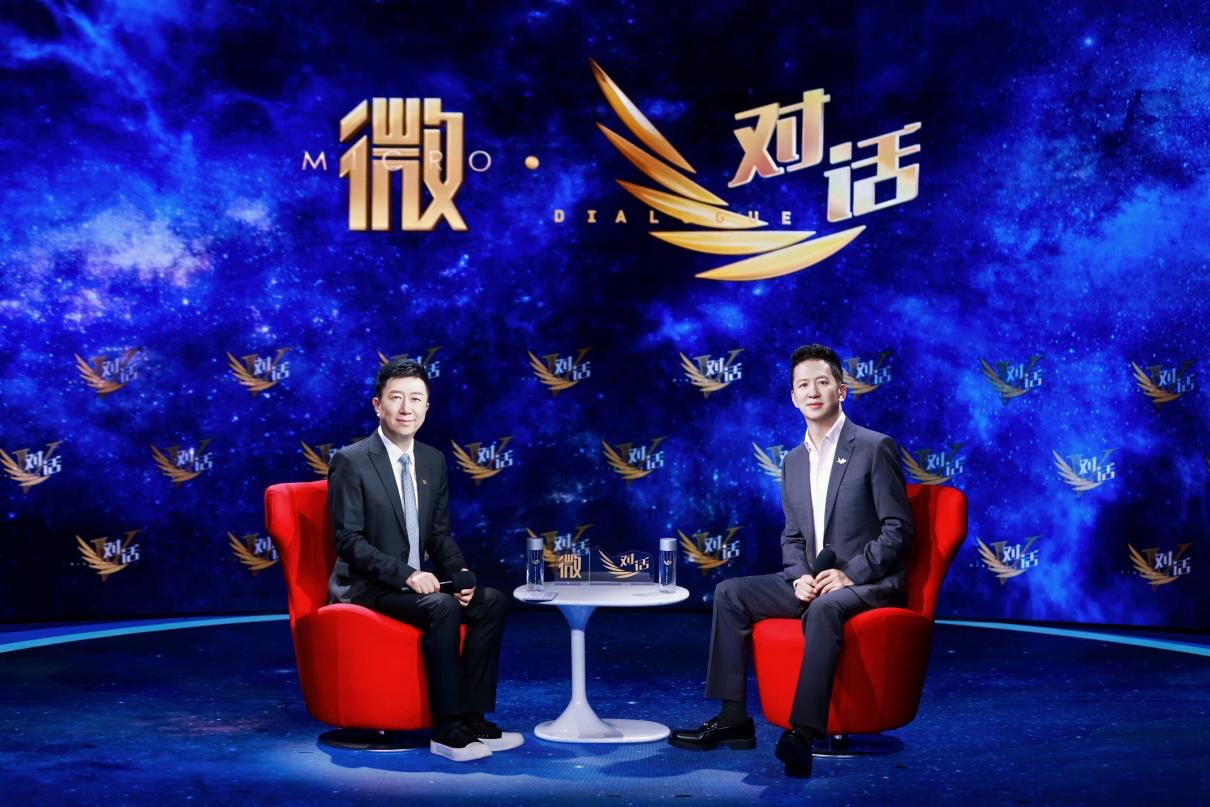
猿编程创始人李翊:人工智能给教育行业带来很多机遇和挑战
Zheng Quan Ri Bao Wang· 2025-11-22 03:47
Core Insights - The education industry is experiencing new opportunities and challenges due to artificial intelligence, necessitating a fundamental shift in educational approaches to cultivate students' ability to collaborate effectively with AI [1] Group 1: Educational Philosophy and Framework - The core objective of the new educational approach is to systematically develop students' "core competencies in the AI era" [1] - The "4C system" created by the company focuses on enhancing youth's AI core competencies through four dimensions: Cognition, Complex Thinking, Confidence & Driver, and Cross-discipline [1] Group 2: Product Ecosystem and Offerings - The company has developed a diverse product ecosystem that spans both family and school environments, having served 8 million students and covering over 4,500 schools across more than 30 provincial-level administrative regions in China [1] - For families, a systematic curriculum centered on the C series "Programming Applications and Computational Thinking" aims to enhance students' scientific literacy, while the A+ series "Advanced Algorithms and Artificial Intelligence" focuses on cultivating professionals in the AI field [2] - In schools, the company offers a comprehensive AI education solution that includes "courses + teachers + platforms + laboratories," with the recent launch of the "Yuan Chuang Future" AI education platform providing intelligent teaching support for teachers and immersive learning experiences for students [2] Group 3: Research and Development Investment - Continuous investment in research and development is emphasized as a core competitive advantage, with a focus on ensuring that product content and services are beneficial to students [3] - The company has developed a robust technical support system, including a self-developed educational model with over 70 billion parameters for personalized teaching and a full-stack children's programming creation platform with 39 independent intellectual property rights [3] Group 4: Future Development and Goals - The company aims to seize growth opportunities while also focusing on the social value of education for children, with plans to strengthen its foundation and make progress in campus business, offline experiences, and external collaborations [3]