
玉兰

Search documents
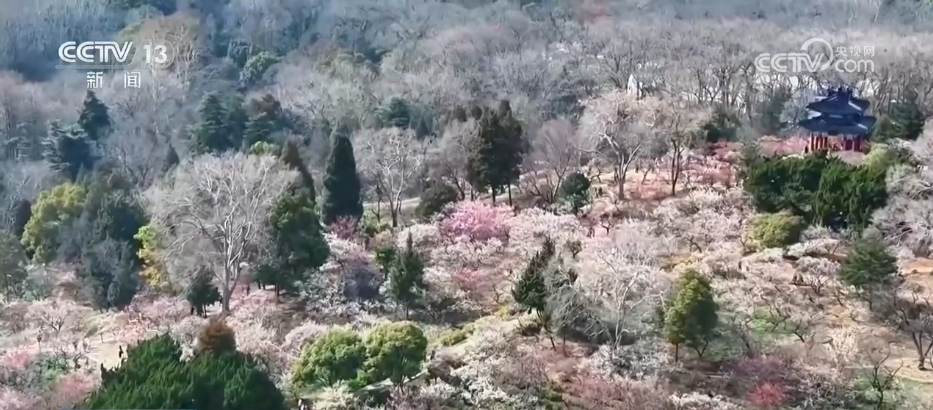
春日美景醉游人 与“花花世界”来一场浪漫邂逅
Yang Shi Wang· 2026-02-25 06:54
Group 1 - The spring season is attracting a large number of visitors to the Nanjing Zhongshan Scenic Area, where plum blossoms and magnolias are in full bloom [1][4] - The plum blossom mountain features 35,000 fully bloomed plum trees, creating a vibrant floral landscape for tourists [7] - The best viewing period for plum blossoms and rare magnolia varieties is expected to last for about ten days [4] Group 2 - In Fujian Sanming, over 2,000 acres of cherry blossoms have reached their peak bloom, drawing many visitors [8] - The cherry blossom garden in Laifang Town covers an area of over 1,000 acres and features more than 300,000 cherry trees of 20 different varieties [11] - The best time for cherry blossom viewing in this area is typically during February and March each year [11]

斋宫四季
Ren Min Ri Bao· 2025-12-14 22:49
Core Viewpoint - The article highlights the beauty and historical significance of the Zhaigong at the Temple of Heaven, particularly focusing on the blooming magnolias and the changing seasons, which attract many visitors for photography and reflection on the past [1][2][3][5]. Group 1: Seasonal Highlights - In spring, the magnolias bloom early, creating a stunning visual contrast with the red walls and blue tiles of the Temple, making it a popular spot for visitors [1]. - Summer brings a different atmosphere, with lush greenery and the presence of local residents reminiscing about the past, including the former agricultural activities and outdoor movie screenings [2]. - Autumn is less vibrant, with only a few persimmon trees and fewer visitors, while winter offers a serene environment, showcasing the beauty of the bare branches against the red walls and blue sky [3][5]. Group 2: Historical Context - Zhaigong has a rich history, originally serving as a place for emperors to meditate and prepare for rituals at the Temple of Heaven, with its construction reflecting the grandeur of the Ming and Qing dynasties [1]. - The area has seen significant changes over time, including the transformation of the original flowing river into a dry riverbed, which evokes nostalgia among older visitors [2]. - The article also mentions the impact of historical events, such as the invasion by foreign forces, which altered the purpose and use of Zhaigong [1].