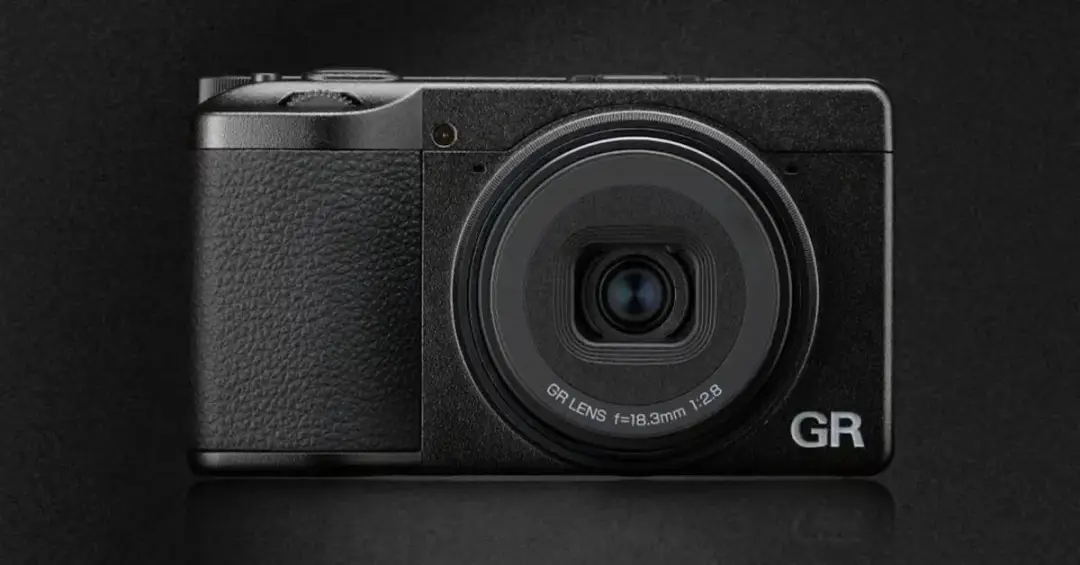
理光GR4

Search documents
疯狂的「电子茅台」:价格暴涨10倍,有商家称「年入百万」
36氪· 2026-03-01 14:03
Core Viewpoint - The article discusses the significant price increase of cameras, particularly the Ricoh GR series, driven by factors such as supply chain issues, brand strategies, and social media influence, leading to a new wave of consumer interest and investment in these products [4][20]. Price Surge of Cameras - Several camera models, including the Ricoh GR3, have seen price increases of nearly 10 times, with the GR3's price rising from approximately 4,000 yuan to 9,000 yuan over five years, reflecting a 100% increase [3][7]. - The phenomenon of old cameras, once considered obsolete, now being sold at inflated prices, indicates a shift in consumer perception and demand [3][11]. Market Dynamics - The Ricoh GR series has become a core driver of the company's revenue, with a reported operating profit of 700 billion yen (approximately 31 billion yuan) for the first three quarters of the 2025 fiscal year, marking a 102.6% increase from the previous year [4][20]. - The camera rental market has also flourished, with services offering rentals at competitive rates, catering to the growing demand for high-quality photography without the commitment of purchase [12][14]. Social Media Influence - Social media platforms, particularly Xiaohongshu, have played a crucial role in promoting the Ricoh GR series, with over 30,000 posts related to the GR3, significantly influencing consumer purchasing decisions [21][24]. - The trend of "social media-driven" purchases highlights a shift in consumer behavior, where emotional value and social sharing capabilities are prioritized over traditional functionality [24]. Brand Strategy and Supply Control - Ricoh's strategy of controlling supply through limited releases has created a sense of scarcity, enhancing the brand's premium image and allowing for higher profit margins, with a reported gross margin exceeding 30% [20]. - The introduction of new models like the GR4 has not diminished the demand for older models, which have become sought-after collectibles, further complicating the market dynamics [9][10]. Consumer Behavior Trends - The evolving consumer mindset reflects a desire for meaningful experiences and emotional engagement in photography, with a growing market for products that facilitate this [24]. - The emotional economy in China is projected to reach 2.3 trillion yuan by 2024, indicating a significant market for products that cater to consumers' emotional needs [24].

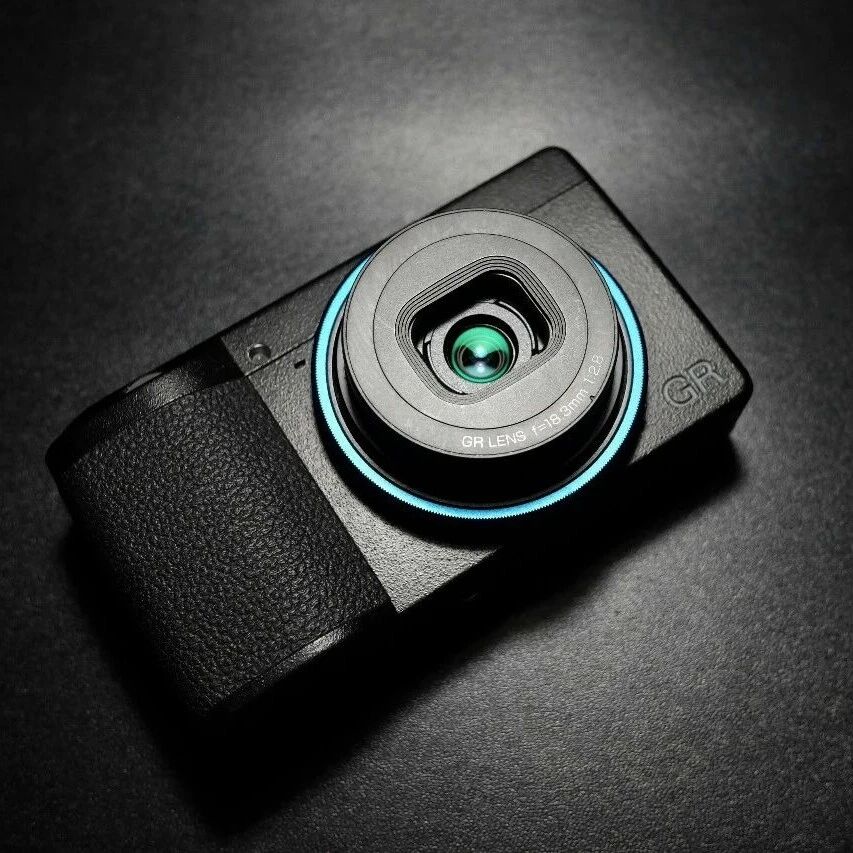
中产「电子三件套」,没有 iPhone
3 6 Ke· 2025-09-12 02:39
Core Insights - The article discusses the rising trend of "electronic three-piece sets" in photography, particularly among young consumers, highlighting the shift from smartphones to specialized cameras for social media sharing [14][75][80] - The demand for compact, high-quality cameras like Ricoh GR4 and Fujifilm models is driven by their unique aesthetic qualities and the emotional value they provide to users [14][54][80] Group 1: Market Trends - The popularity of compact cameras has surged, with models like the Ricoh GR4 priced at 8999 yuan, reflecting a 45% increase from its predecessor GR3, which was priced at 6199 yuan [17][19] - Fujifilm's XE5 model, released at 9999 yuan, shows a 75% price increase compared to its previous model XE4, which was priced at 5699 yuan [28] - The article notes that the "electronic three-piece set" has become a status symbol among young consumers, emphasizing the emotional value associated with these products [14][32][80] Group 2: Consumer Behavior - Consumers are increasingly willing to pay premium prices for cameras that offer unique features and aesthetic appeal, as seen with Ricoh and Fujifilm products [14][54][80] - The phenomenon of "flipping" cameras for profit in the second-hand market is prevalent, with many buyers purchasing popular models only to resell them at a higher price [44][45] - The article highlights the competitive nature of the market, with brands like DJI also experiencing high demand for their products, such as the DJI Pocket 3 [40][73] Group 3: Brand Strategies - Ricoh and Fujifilm employ strict inventory control and pricing strategies to maintain product exclusivity, often leading to shortages and high resale values [22][35][47] - Fujifilm's unique selling proposition lies in its film simulation features, which attract consumers looking for a nostalgic photography experience [54][59] - The article suggests that the success of these brands is not solely due to consumer demand but also their strategic marketing and product positioning [14][47][80]
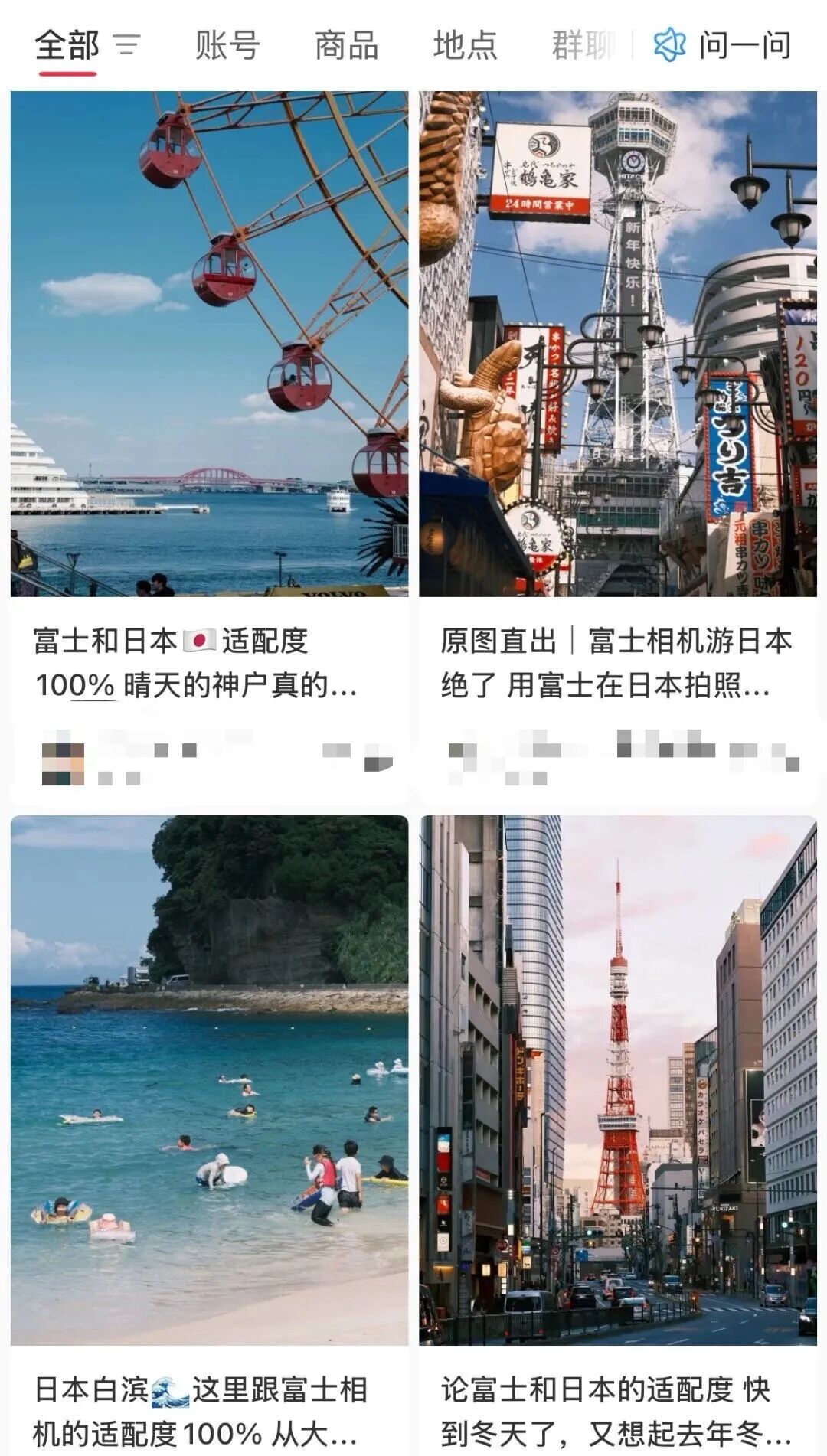
卡片机卖到9000块,理光沾了富士的光
Hu Xiu· 2025-08-22 13:42
Group 1 - Ricoh has officially launched the fourth generation of its GR series camera, the GR4, priced at 8999 yuan, which is a significant increase of 2800 yuan compared to the previous GR3 model [4][5][27] - The pricing strategy reflects a broader trend in the camera market where traditional pricing structures based on specifications are being challenged, as seen with Fujifilm's similar pricing strategies [28][30][36] - The GR4's pricing is not an isolated case but part of a growing trend where emotional value and brand perception are becoming key drivers of pricing in the camera industry [32][33][36] Group 2 - The GR4 features several upgrades over the GR3, including a slightly larger sensor with a resolution increase from 24.24 million to 25.74 million pixels, five-axis stabilization, and improved autofocus capabilities [12][14][17] - The internal storage has been significantly increased from 2GB to 53GB, enhancing usability for users who may forget to bring an SD card [20][21] - The camera introduces new film simulation modes and enhanced customization options, appealing to its core user base that values unique color science and aesthetic output [22][26] Group 3 - The camera market is experiencing a shift from a focus on technical specifications to an emphasis on user experience and emotional value, as consumers seek cameras that provide a distinct style and ease of use [44][45][56] - The GR series is designed for quick and intuitive shooting, emphasizing a philosophy of simplicity and immediacy in photography, which resonates with users looking for a non-intrusive and enjoyable experience [53][55] - The current market dynamics suggest that the camera industry may not be shrinking but rather evolving into a more diverse and interesting landscape, similar to the watch market where different consumer needs coexist [65][66]