瑞銀認沽證18811

Search documents
銀行股走勢分化,匯豐短線支持位受關注
Ge Long Hui· 2025-11-19 21:34
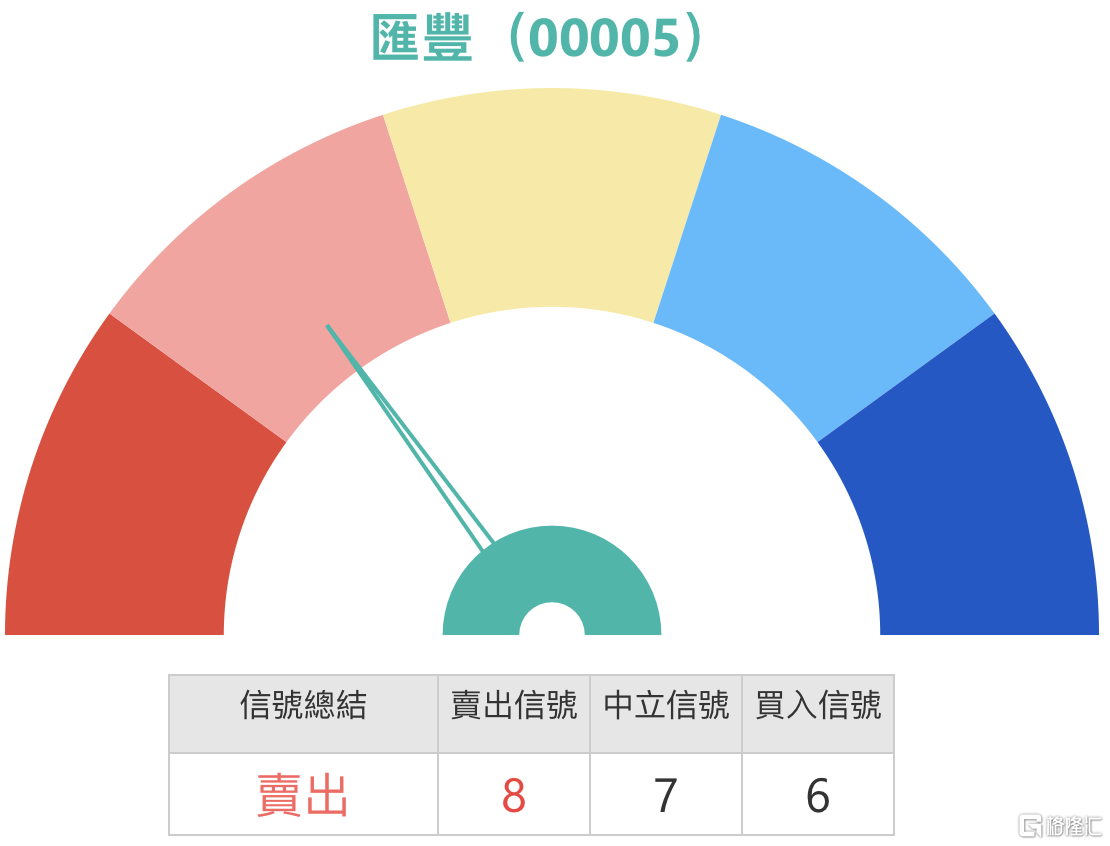
Core Viewpoint - HSBC Holdings' stock price has recently shown weakness, declining by 2.41% to 109.4 HKD, indicating a strong market wait-and-see sentiment [1] Technical Analysis - The stock is currently testing a significant support area, with MA10 at 111.42 HKD acting as short-term resistance, while MA30 at 106.96 HKD and MA60 at 105.72 HKD provide lower support [1] - The stochastic oscillator has entered the oversold zone and issued a buy signal, with multiple technical indicators such as momentum oscillators and MACD showing a positive outlook, reflecting market divergence on bank stock trends [1] - Key short-term support levels for HSBC are at 105.7 HKD and 101.5 HKD, while resistance levels are at 113.6 HKD and 117.7 HKD; reclaiming these levels could help restore market confidence [1] - The 5-day volatility is 5.1%, indicating relatively moderate price fluctuations, providing operational space for conservative investors [1] - The market sentiment is slightly optimistic with a 54% probability of price increase, but investors should monitor interest rate trends and changes in the banking sector's fundamentals [1] Derivative Products Performance - During HSBC's stock price decline, bearish products showed remarkable returns, with UBS bear certificate 56441 recording a 44% increase within two days despite the underlying stock dropping by 2.92% [3] - Other bearish certificates, such as JPMorgan's bear certificate 61553, also performed well with a 43% increase, indicating the profitability of derivative tools in a downtrend [3] Derivative Product Opportunities - In bullish options, Bank of China call warrant 21320 offers a leverage of 15 times with a strike price of 130.98 HKD, featuring both low premium and implied volatility [6] - UBS call warrant 21409 provides 13.2 times leverage with relatively low implied volatility [6] - For bearish options, UBS put warrant 18811 offers 7.4 times leverage with a strike price of 94.39 HKD and low implied volatility, while Bank of China put warrant 19033 provides 7.7 times leverage with the lowest premium and implied volatility [6] Bull and Bear Certificates - UBS bull certificate 58939 offers 13.7 times actual leverage with a redemption price of 100 HKD and the lowest premium [7] - Another UBS bull certificate 63092 provides 18.6 times actual leverage with a redemption price of 103 HKD [7] - For bearish options, JPMorgan's bear certificate 59982 offers 16.1 times actual leverage with a redemption price of 115 HKD, while UBS bear certificate 60531 provides 18.3 times actual leverage with the lowest premium [7]

匯豐多空指標現分歧!短線交易機會如何把握
Ge Long Hui· 2025-09-19 04:32
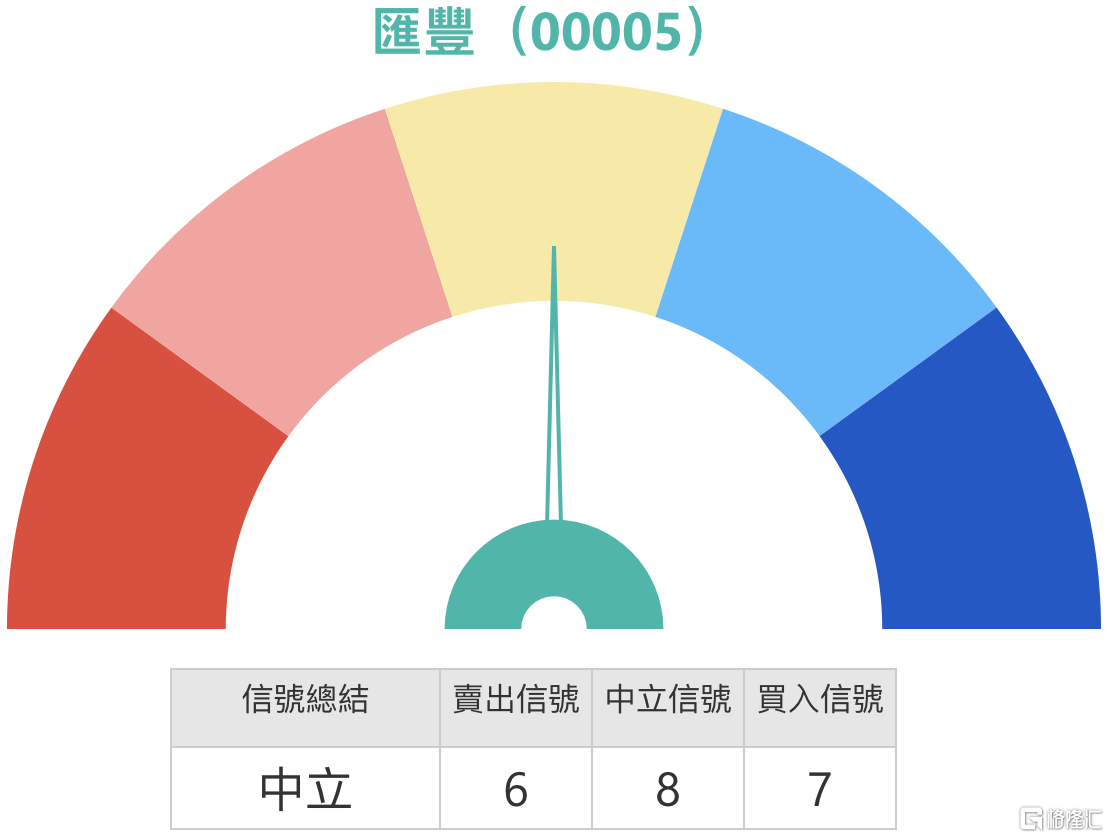
Core Viewpoint - HSBC Holdings (00005.HK) is currently experiencing a delicate balance between technical overbought conditions and favorable fundamentals, attracting significant investor attention [1][11]. Technical Analysis - The current RSI for HSBC is at 74, indicating an overbought status, which may lead to short-term price adjustments [1]. - The technical summary signals a "sell" with a strength of 8, suggesting moderate selling pressure [1]. - Key support levels are identified at 103.3 and 99.1, while resistance levels are at 108.2 and 115.3, with 108.2 being a focal point for market contention [3][9]. Derivative Products - HSBC-related derivative products offer a variety of options for investors. For bullish investors, the Bank of China call option (16930) provides a leverage of 20.2 times, while UBS call option (16458) offers 21.4 times leverage [6]. - For bearish investors, UBS put option (18811) offers a leverage of 7 times, serving as a hedging tool [6]. Market Performance - HSBC's stock price was reported at 106.9, down 0.28% at one point during the trading session [1]. - The trading volume for HSBC maintained a moderate level at 1.469 billion HKD, indicating that institutional investors may still be in a wait-and-see mode [12]. Historical Context - Recent performance of HSBC-related derivatives has shown significant leverage effects, with certain products outperforming the underlying stock, highlighting the potential for enhanced returns in trending markets [3].