瑞銀認沽證23923

Search documents
匯豐控股(00005)短線技術分析:績前關鍵位解析與策略部署
Ge Long Hui· 2026-02-26 07:06
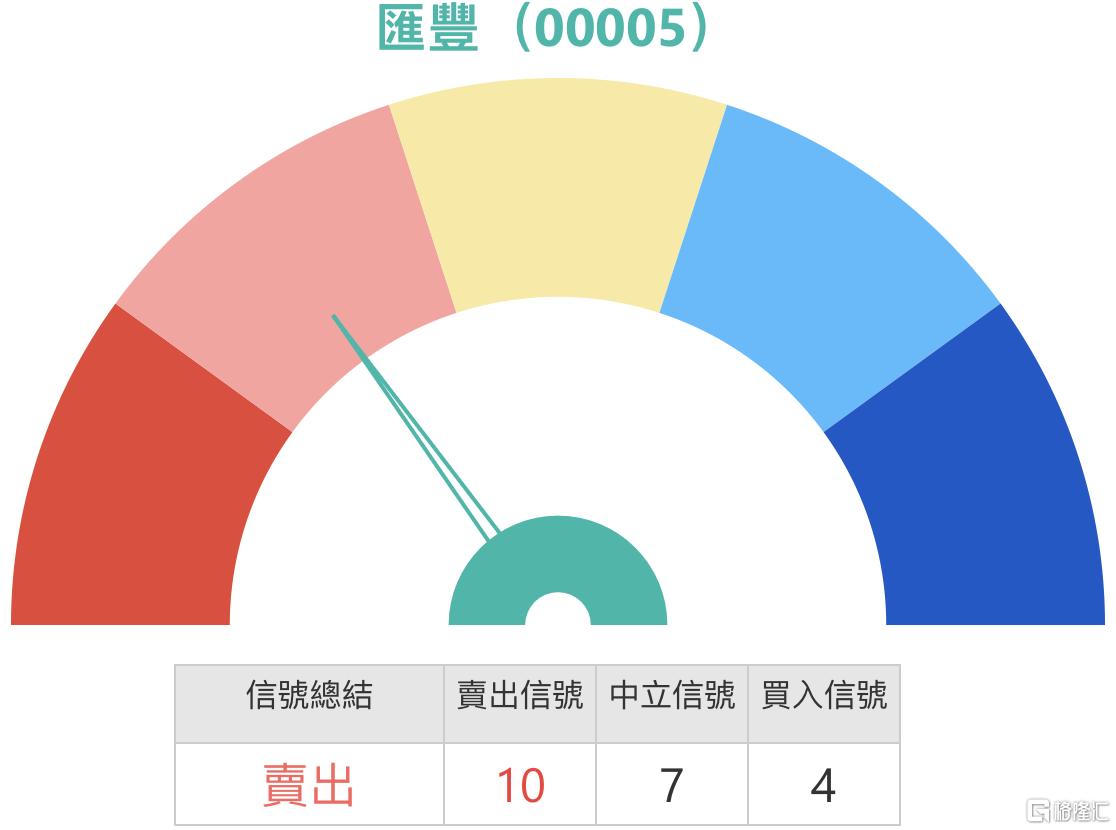
Core Viewpoint - HSBC's stock price is currently showing mixed signals, with short-term pressures but a generally strong medium-term trend as it hovers between key moving averages [1][4]. Technical Analysis - The current stock price is at 135.4 HKD, slightly above the 30-day moving average (133.32 HKD) and 60-day moving average (125.02 HKD), but below the 10-day moving average (136.91 HKD), indicating potential short-term volatility [1]. - Various technical indicators are neutral, with the RSI at 51, suggesting a lack of clear momentum direction. However, the MACD has issued a buy signal while the Bull-Bear Power indicator suggests a sell signal, indicating market sentiment divergence [1]. - Key support levels are identified at 131.4 HKD and 127.2 HKD, while resistance levels are at 139.3 HKD and 143.4 HKD. A break below support could lead to further downward pressure, while a break above resistance could initiate a new upward trend [2][4]. Investment Products - For bullish investors, options such as the BOC call warrant (23691) with a strike price of 148.1 HKD and the BOC call warrant (22630) with a strike price of 145.1 HKD are recommended, as they offer potential upside if the stock breaks through resistance [6]. - For bearish investors, UBS put warrant (23923) with a strike price of 111.78 HKD and BOC put warrant (24062) are suggested as they provide opportunities for profit if the stock tests support levels [6]. - UBS bull warrants (62176 and 59997) are highlighted for their low premiums and high leverage, suitable for investors expecting a rebound at support levels [7]. Market Sentiment - Overall, HSBC's stock is trading within a narrow range between moving averages, with technical indicators lacking a unified direction, likely due to market anticipation of upcoming earnings reports [4].


從港股Podcast觀點看匯豐:為何需警惕短期高槓桿衍生品的“時間值陷阱”?
Ge Long Hui· 2026-01-20 14:29
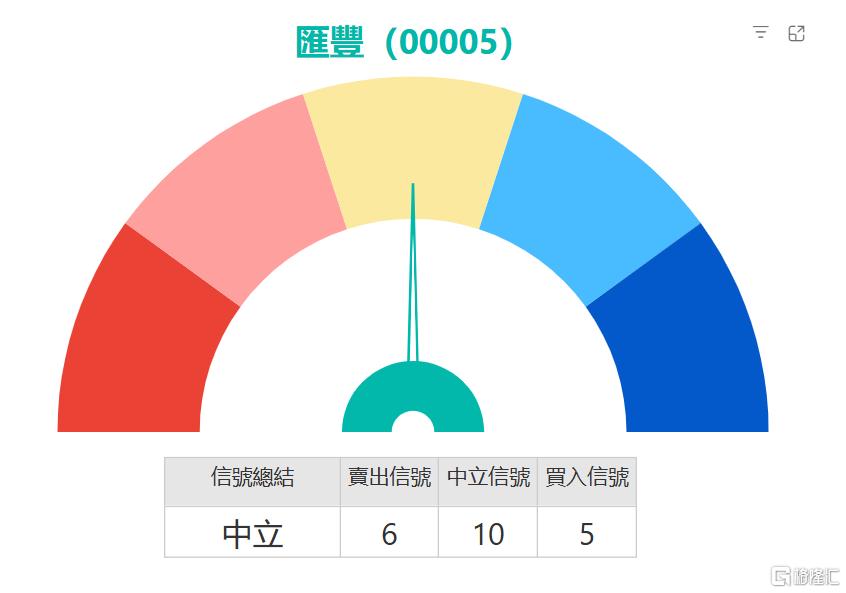
Core Viewpoint - HSBC Holdings (00005.HK) has entered a critical adjustment and consolidation phase after reaching a peak price of approximately 130 HKD, with the market cautiously evaluating the tension between short-term technical trends and long-term fundamental value [1]. Technical Analysis - HSBC's stock price failed to maintain its upward momentum after hitting around 130 HKD in early January, adjusting to close at 127 HKD on January 19, indicating a pessimistic short-term outlook [1]. - The stock is currently testing key technical support levels, with the 10-day moving average at approximately 124.29 HKD and the 50-day moving average at 113.58 HKD, suggesting a weakening short-term upward momentum [1]. - Divergent market signals increase uncertainty in the short-term trend, with the Relative Strength Index (RSI-14) at 63, indicating a strong area but showing a decline from its peak [3]. - The first critical support level is at 123.1 HKD, while a stronger second support level is between 118-118.9 HKD, which is significant for technical analysis [3]. Derivative Products Review and Strategy Value - Recent performance in the derivatives market shows that leveraged effects can amplify investment returns during clear but moderate directional movements in the underlying stock [4]. - For investors confident in long-term value and expecting a rebound post-adjustment, call options with strike prices near upper resistance levels are recommended, while put options are suggested for those anticipating deeper corrections [6]. Current Market Derivative Tool Deployment Thoughts - Investors should carefully select products with terms closely tied to key support and resistance levels, adhering strictly to risk control disciplines [6]. - For bullish investors, choosing bull certificates with recovery prices significantly below key technical support levels is advisable, while bearish investors should select bear certificates with recovery prices above key resistance levels [11]. High Leverage Traps and Expiry Date Risks - A common misconception highlighted is the attraction to high leverage without considering expiry dates, as short-term options can suffer rapid time value decay, leading to potential losses even if the stock moves in the right direction [14].