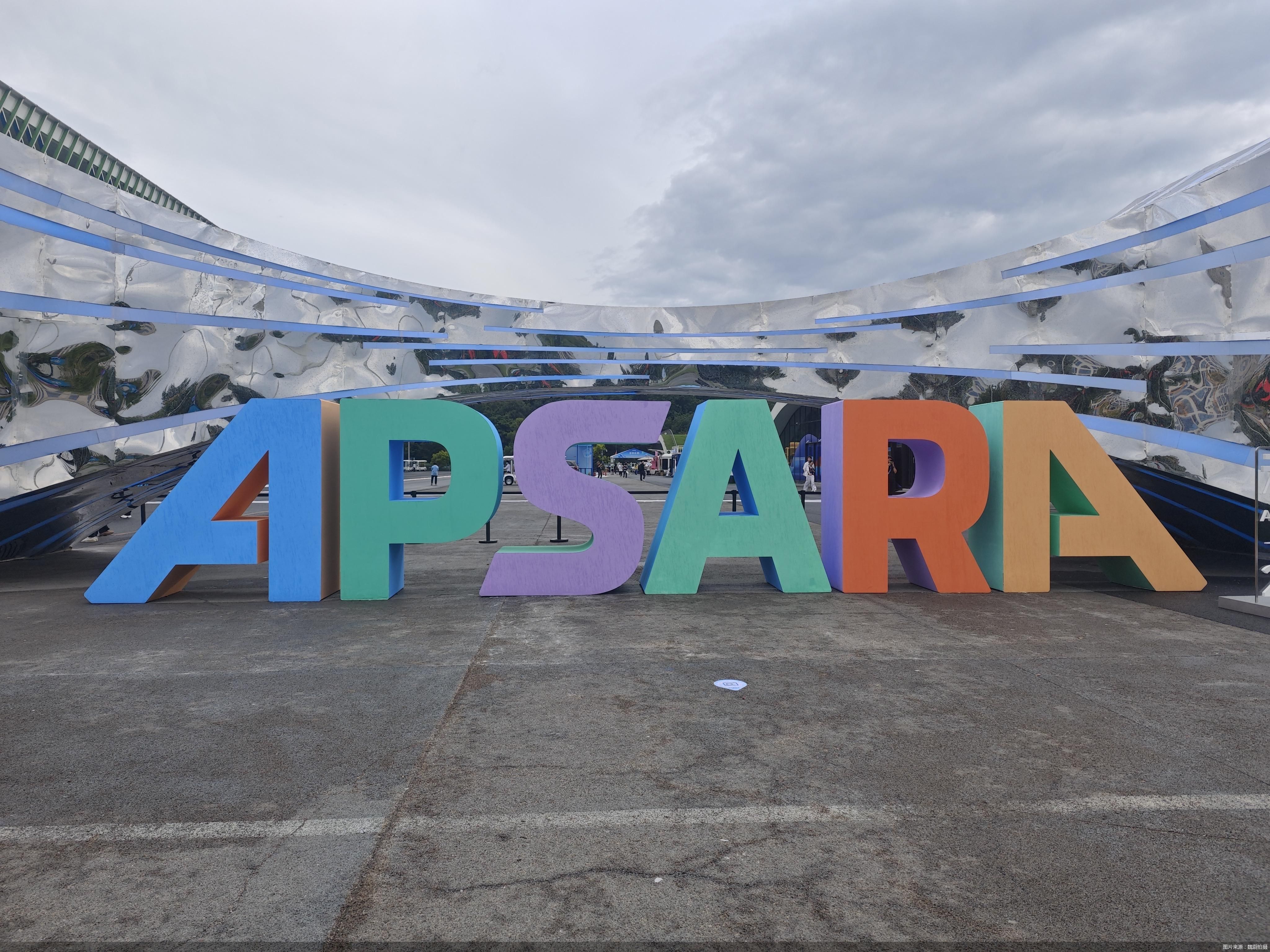
瑶华珊瑚礁多模态AI大模型1.0版

Search documents
大模型下沉的N个可能
Bei Jing Shang Bao· 2025-09-25 16:53
Core Insights - The integration of AI technologies, particularly large models, is transforming various industries, including assistive technologies for the visually impaired and environmental monitoring [1][6][8] - Over 70% of China's Fortune 500 companies have adopted Generative AI (GenAI), indicating a significant trend towards AI-driven productivity tools across sectors [1] Group 1: Assistive Technologies - Hangzhou Tongxing Technology has developed AI glasses that can identify obstacles within 300 milliseconds, enhancing mobility for visually impaired users [3][4] - The AI glasses can recognize 151 common objects and provide real-time navigation assistance, including guiding users along blind paths and avoiding obstacles [3][4] - The glasses integrate various technologies, including OCR and voice interaction capabilities, and allow users to contact friends for remote assistance [3][4] Group 2: Environmental Monitoring - The global coral bleaching crisis is severe, with some areas experiencing coral mortality rates as high as 70%-80% [6][7] - A multi-modal AI model named "Yaohua" has been developed to monitor coral reefs, achieving an identification accuracy of 88% and significantly reducing analysis time from over 20 hours to just 12 hours [7] - The team plans to enhance the model's accuracy to over 90% in future iterations, demonstrating the potential of AI in environmental conservation efforts [7] Group 3: Robotics and AI Development - Individuals without formal training can leverage large AI models to break down disciplinary barriers and engage in complex system development [8] - The use of AI tools allows for rapid learning and application of various programming languages, enabling more people to participate in robotics and AI projects [8] - The proliferation of AI infrastructure and advancements in large model technology are creating unprecedented value across different sectors [8]

云栖观察|大模型下沉的N个可能
Bei Jing Shang Bao· 2025-09-25 15:10
Core Insights - The integration of AI technologies, particularly large models, is transforming various industries, including assistive technologies for the visually impaired and environmental monitoring [1][6][10] Group 1: Assistive Technology - Hangzhou Tongxing Technology has developed AI glasses that can identify obstacles within 300 milliseconds, providing real-time feedback to visually impaired users [4][5] - The AI glasses can recognize 151 common objects and assist users in navigating their environment, including guiding them along blind paths and avoiding obstacles [4][5] - The company utilizes Alibaba Cloud's RTC technology and integrates various AI models to enhance the functionality of their assistive devices [4][5] Group 2: Environmental Monitoring - The global coral bleaching crisis is highlighted, with mortality rates in some areas of the Great Barrier Reef reaching 70%-80% [6][7] - A multi-modal AI model named "Yaohua" has been developed to monitor coral reefs, achieving an 88% accuracy rate in species identification, significantly outperforming traditional methods [7][8] - The AI model has reduced the time required for processing underwater images from over 20 hours to just 12 hours, providing precise data for coral degradation monitoring [7] Group 3: Robotics and AI Development - A self-taught engineer has demonstrated that individuals without formal training can develop complex robotic systems using AI, breaking down traditional academic barriers [9][10] - The engineer emphasizes the importance of understanding personal needs and leveraging AI tools to facilitate learning and development in robotics [10]