生成式引擎优化工具

Search documents
你的AI功能确实有效,客户为什么不感兴趣
3 6 Ke· 2026-02-26 03:37
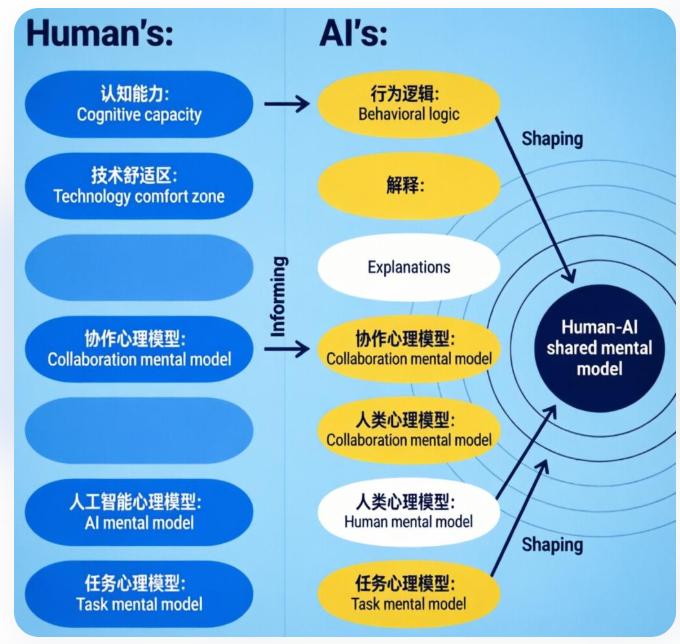
Core Insights - The article emphasizes that merely explaining the internal workings of AI does not guarantee user trust, highlighting the importance of understanding users' psychological models [1][2][3] - It suggests that effective human-AI collaboration requires shared mental models, which can enhance creativity and decision-making within teams [3][4] Group 1: User Trust and AI Functionality - Transparency in AI operations is crucial but not sufficient for building user trust; understanding user psychology is essential [1][2] - Users may ignore AI features if they do not align with their existing habits and beliefs, leading to underutilization of advanced functionalities [2][9] Group 2: Psychological Models in AI Design - Designers should consider how new AI features relate to users' existing mental models to ensure effective adoption [3][11] - Utilizing familiar design elements can help users adapt to new AI interactions, reducing frustration and confusion [11][12] Group 3: Cognitive Load and AI Interaction - The rapid pace of technological advancement can overwhelm users, making it difficult for them to make informed decisions based on AI recommendations [13][14] - Designing AI systems that accommodate users' cognitive limitations is more effective than simply explaining the AI's limitations [14][16] Group 4: Steps for Effective AI Integration - The article outlines four steps to enhance AI integration: understanding users' comfort with technology, their task-related psychological models, their perceptions of AI features, and the comparison of human cognitive abilities with AI speed [5][7][12][13]