生物基聚酰胺连续纤维复合材料

Search documents
凯赛生物,首破30亿!
DT新材料· 2026-02-28 04:07
以下文章来源于生物基智库 ,作者生物基能源与材料 生物基智库 . 向世界讲好中国生物基产业故事。 DT新材料旗下生物基和生物制造产业服务平台www.bio-basedlink.net 上市公司进展 | 材料/化学品 | 凯赛生物 【 生物基能源与材料 】 获 悉,2月28日,上海凯赛生物技术股份有限公司(688065.SH)发布2025年度业绩快报。 报告显示,公司2025年度营业收入32.95亿元,同比增长11.41%, 营收首次突破30亿元 ,归属于上市公司股东的净利润5.66亿元,同比增长 15.7%,和 2024年营收同比增长39.93%,归母净利润同比增长33.41% 比起来——看似中规中矩。 | 科目 | 本期数 | 上年同期 | 增减变动幅度(%) | | --- | --- | --- | --- | | 营业收入 | 329.544.89 | 295,791.16 | 11. 41 | | 营业利润 | 63, 509. 18 | 55, 156. 12 | 15. 14 | | 利润息额 | 63, 150. 35 | 54,801.52 | 15. 23 | | 归属于上市公司股东的净利 ...



全球首个!凯赛生物,绿色复合材料新突破
Sou Hu Cai Jing· 2025-09-03 01:20
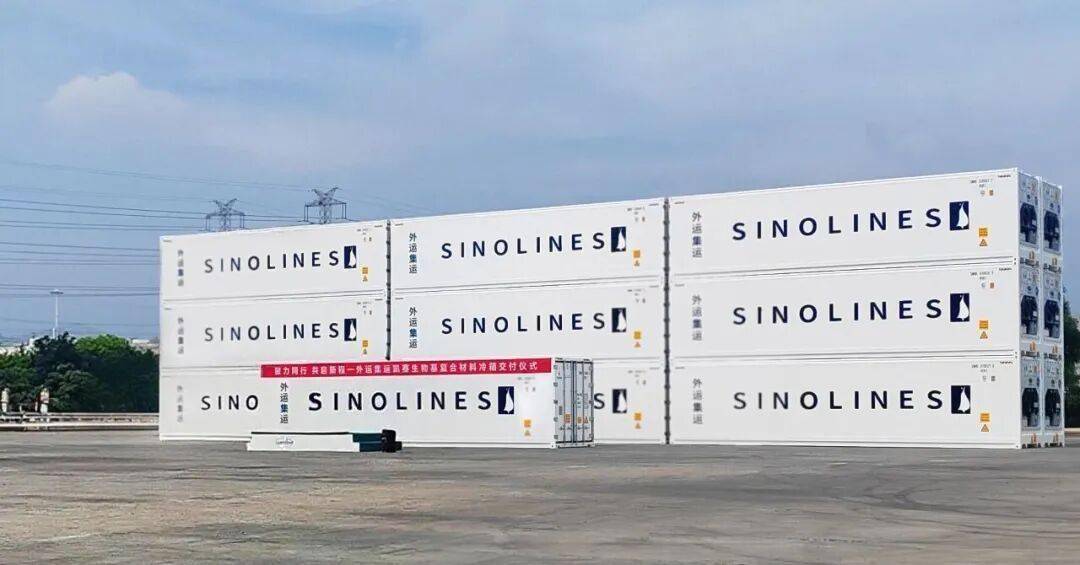
Core Viewpoint - The delivery of the world's first bio-based composite refrigerated container marks a significant advancement in the application of bio-based materials in the cold chain logistics sector, providing a replicable "Chinese solution" for the global container industry’s low-carbon transition [1][3]. Group 1: Product Innovation - The newly delivered refrigerated container utilizes Kasei Biotech's self-developed bio-based polyamide continuous fiber composite materials in key components such as the inner ceiling and side panels [3]. - The bio-based material offers low carbon and high performance, featuring lightweight, high strength, wear resistance, and corrosion resistance, with a density only 1/4 that of steel and 2/3 that of aluminum, while achieving comparable or superior mechanical properties [3]. Group 2: Environmental Impact - The lightweight design significantly reduces the weight of the container, leading to decreased transportation energy consumption and improved logistics efficiency [3]. - The material requires no additional surface treatment to meet functional needs, thereby lowering production costs and environmental pollution [3]. - The lifecycle carbon emissions of the bio-based materials are substantially lower than those of traditional metal materials, aligning with global carbon neutrality trends [3]. Group 3: Future Developments - In addition to the container delivery, a bio-based battery shell manufacturing base project, with a total investment of 500 million yuan, has been established, aiming for an annual production capacity of 2.5 million bio-based battery shells [3]. - The bio-based materials exhibit strong corrosion resistance, maintaining stability in harsh environments such as high humidity and low temperatures, which extends the product's lifespan [3].
全球首个!凯赛生物,绿色复合材料新突破
DT新材料· 2025-09-02 16:05
Core Viewpoint - The delivery of the world's first bio-based composite refrigerated container marks a significant advancement in the application of bio-based materials in the logistics industry, providing a replicable "Chinese solution" for the global container industry’s low-carbon transition [2][4]. Group 1: Product Innovation - The refrigerated container utilizes Kasei Biotech's bio-based polyamide continuous fiber composite materials in critical components, showcasing low-carbon and high-performance advantages [4]. - The material has a density of only 1/4 that of steel and 2/3 that of aluminum, yet achieves mechanical performance comparable to or better than metal materials [4]. Group 2: Environmental Impact - The bio-based materials significantly reduce the carbon emissions throughout their lifecycle compared to traditional metal materials, aligning with global carbon neutrality trends [4]. - The lightweight design through "plastic replacing steel and aluminum" reduces transportation energy consumption, enhancing logistics efficiency [4]. Group 3: Additional Developments - A new manufacturing base for bio-based battery shells, with a total investment of 500 million yuan, is set to produce 2.5 million sets annually, further expanding the application of bio-based materials [4]. - The materials used in the container do not require additional surface treatment, which lowers production costs and environmental pollution [4]. Group 4: Collaborating Entities - The project involves collaboration with China Merchants Group's subsidiary, China Merchants Container Transportation Co., and COSCO Shipping Development Group's subsidiary, Shanghai Huanyu Qingdao Container Factory [2].