电动汽车慢充桩

Search documents
为什么快充是直流电,而慢充是交流电?
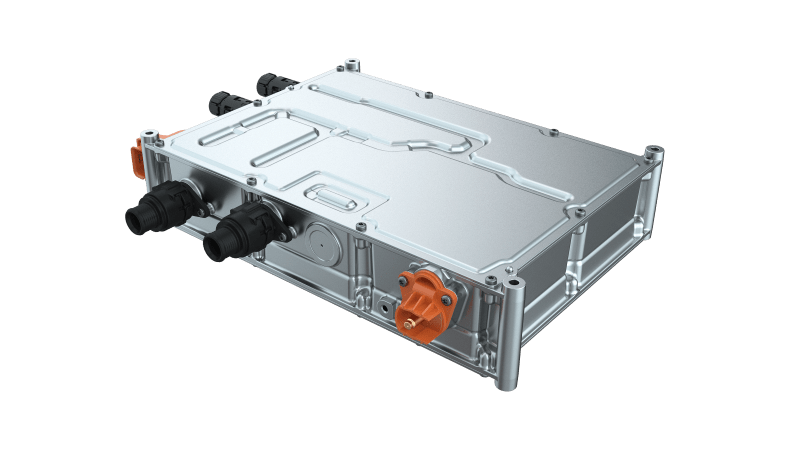
Zhong Guo Zhi Liang Xin Wen Wang· 2026-02-26 10:01
Core Viewpoint - The article discusses the differences between slow charging (AC) and fast charging (DC) for electric vehicles, highlighting the efficiency, cost, and impact on battery life associated with each method [1][15]. Charging Technology Differences - Slow charging uses AC and relies on the vehicle's onboard charger (OBC) to convert AC to DC, which is why it takes longer to charge [3]. - Fast charging uses DC, with the conversion occurring at the charging station, allowing for higher power output and faster charging times [5]. Power Density Differences - The power of the OBC is limited by its size and heat dissipation capabilities, making it challenging to achieve higher power without increasing size [6]. - Fast charging stations can accommodate larger power conversion systems and cooling mechanisms, enabling them to support charging powers above 120 kW, with some stations reaching up to 560 kW [7]. Cost Differences - Slow charging requires only a standard 220V single-phase power supply for home use, while high-power slow charging (21 kW) needs a 380V three-phase supply [8]. - Fast charging requires a three-phase 380V industrial supply and often necessitates a dedicated transformer, with installation costs for fast charging stations ranging from 100,000 to several million yuan [13]. Battery Impact - Fast charging can be detrimental to battery health due to rapid temperature increases and potential damage to battery components, while slow charging is gentler on batteries, promoting longer lifespan [14]. - Slow charging is more stable in extreme temperatures, reducing the risk of thermal runaway compared to fast charging [14]. Conclusion - The choice between fast and slow charging represents a balance between charging efficiency, battery longevity, and infrastructure costs, with slow charging currently offering better battery protection [15].