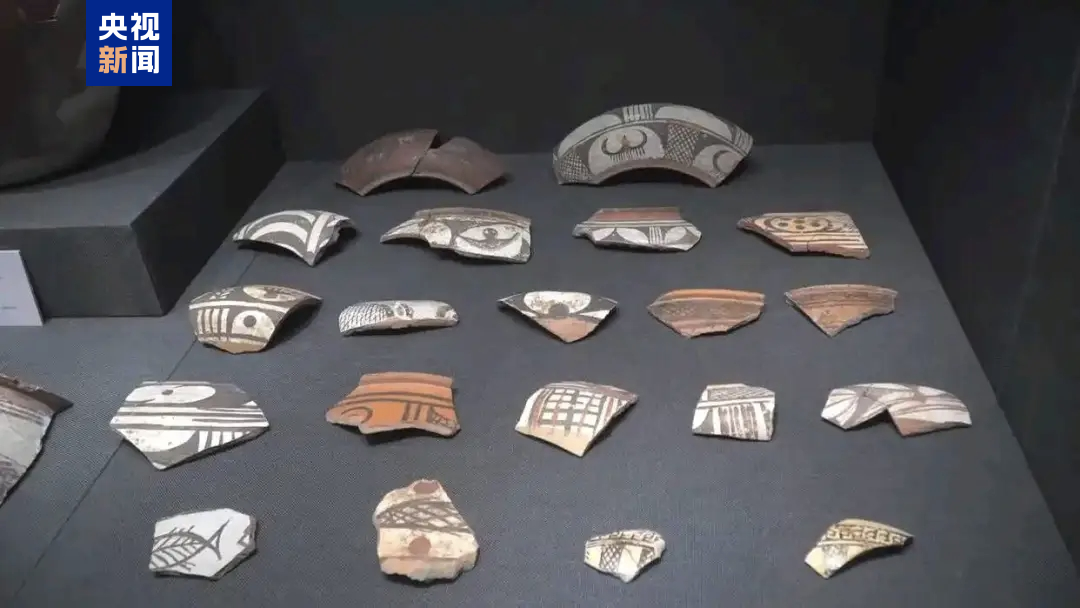
白衣彩陶盆

Search documents
大河汤汤 文明永续——大河村国家考古遗址公园今日开园
He Nan Ri Bao· 2025-12-05 23:34
Core Insights - The Dahu Village archaeological site has been recognized as a national archaeological park and opened to the public on December 6, showcasing the origins of Chinese civilization [2] Group 1: Archaeological Significance - The Dahu Village site is regarded as a benchmark for the Yangshao culture, having undergone three systematic archaeological excavations since its discovery in 1964, covering over 10,000 square meters and demonstrating the complete trajectory of the Yangshao culture from origin to extinction [3] - The site spans an area of 530,000 square meters and includes remnants of four archaeological cultures: Yangshao, Longshan, Xia, and Shang, revealing a comprehensive layout of a prehistoric large settlement [3] - The F1-4 house foundation is the best-preserved structure from the same period discovered in China, yielding exquisite painted pottery, including the famous double-handled pot, and the earliest known astronomical artifacts in the country [3] Group 2: Park Development and Features - The Dahu Village National Archaeological Park covers a total area of 2,373 acres, structured around a core protection area, two key nodes (the new Dahu Village Museum and the Central Plains Archaeological Research and Display Center), and three zones (ecological wetland restoration, primitive farming, and interactive leisure) [3] - The park features a dynamic operational model that includes a main pathway, six thematic scenes, ten comprehensive business formats, and a research package, transforming static historical artifacts into immersive cultural experiences [6] Group 3: Visitor Experience and Activities - Visitors can engage in various activities that replicate ancient daily life, such as observing celestial phenomena, farming, and pottery making, enhancing their understanding of prehistoric culture [6] - The park includes interactive experiences like a prehistoric livestock scene and a themed campsite for stargazing activities, aiming to connect visitors with ancient wisdom [6] - The Dahu Village Museum, which reopened on December 6, showcases over 1,600 prehistoric artifacts using immersive displays to break traditional exhibition limitations [7]


探访“星空下的村落”:穿越数千年的“文明折叠”
Zhong Guo Xin Wen Wang· 2025-06-16 01:42
Core Points - The Dahu Village Archaeological Site Museum in Zhengzhou, Henan Province, has opened its new facility, coinciding with the announcement of Dahu Village as a national archaeological site park by the National Cultural Heritage Administration [1][2] - The site dates back 6,800 to 3,500 years and spans multiple cultural periods, earning the nickname "Village Under the Stars" due to its focus on celestial exploration [1][2] Group 1: Museum Features - The new museum features a sunken design that mimics an archaeological site, with a green roof covering approximately 14,000 square meters to blend with the landscape and preserve the cultural layers beneath [2][3] - The museum incorporates a water curtain wall to recreate the historical landscape of the Yellow River, enhancing the visitor experience [2] - The museum's collection includes over 1,600 artifacts from the Yangshao culture, with more than 1,100 items being displayed for the first time [8] Group 2: Security and Preservation - The museum is equipped with advanced security features, including C-level anti-damage doors and a multi-layered protection system to safeguard artifacts from theft, fire, and water damage [5] - Structural designs include vertical cavity double walls to prevent leakage and distribute soil pressure, ensuring the safety of the archaeological site [3] Group 3: Visitor Experience - The museum offers immersive experiences using digital technology, allowing visitors to engage in activities like fishing, pottery making, and harvesting, enhancing educational engagement [9][10] - Interactive areas enable children to participate in activities such as "restoring" broken pottery using AR technology, fostering interest in history and archaeology [9][10]
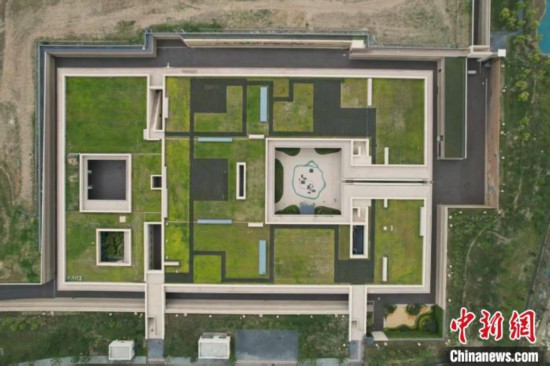
郑州大河村遗址博物馆新馆开馆
Yang Shi Xin Wen· 2025-06-14 05:36
Core Viewpoint - The Zhengzhou Dahu Village Ruins Museum's new exhibition hall opened on June 14, showcasing over 1,600 artifacts that highlight the rich cultural heritage of the Dahu Village site and the Yangshao culture, dating back 7,000 to over 5,000 years [1] Group 1: Museum Overview - The new exhibition area covers 7,292 square meters and focuses on the Dahu Village site's significance in the context of Chinese river civilization [1] - The museum is the first in China to present a panoramic view of the Yangshao culture, featuring over 2,000 artifacts from the Paleolithic era to the Xia and Shang dynasties [8] Group 2: Cultural Significance - The Dahu Village site is a key marker of the origin of Chinese civilization, showcasing the development of culture from the Yangshao and Longshan cultures to the Erlitou culture and Shang dynasty remains [1] - The site reflects the ancient inhabitants' interest in astronomy, as evidenced by their depictions of celestial bodies on pottery, earning it the nickname "the village under the stars" [1] Group 3: Archaeological Findings - The Yangshao culture period housing foundation, which is over 5,000 years old, demonstrates advanced construction techniques and is one of the best-preserved prehistoric residential sites in China [3] - The white-painted pottery basin, a prehistoric ceramic art treasure, features intricate designs and repair marks, indicating early craftsmanship similar to later pottery repair techniques [5] - The excavated double-spouted pottery vessel, adorned with parallel line patterns, symbolizes peace and friendship, possibly used during significant clan events [6]