盐边牛肉

Search documents
攀枝花,四季花开,山水连绵,轻松实现水果自由
Sou Hu Cai Jing· 2025-11-27 02:19
Core Viewpoint - The article highlights the unique charm and attractions of Panzhihua, a city in Sichuan known for its pleasant climate, rich cultural heritage, and diverse culinary offerings. Group 1: Climate and Natural Beauty - Panzhihua is recognized as a "sunshine city" with over 300 frost-free days and 2700 hours of annual sunshine, making it an ideal winter destination with temperatures above 20°C even in winter [2][12] - The city is described as a "paradise" with continuous blooming flowers and lush landscapes, featuring a significant forest coverage area [4] - It is also referred to as a "fruit kingdom," producing a variety of tropical fruits such as large mangoes, loquats, peaches, and lychees, benefiting from its high latitude and abundant sunshine [9] Group 2: Cultural and Ethnic Diversity - Panzhihua is characterized as a "colorful ethnic city," home to the largest minority village in Sichuan, showcasing the rich traditions of the Yi ethnic group [5] - The city has a relaxed lifestyle, often ranked among the happiest cities in China, allowing residents and visitors to enjoy leisurely activities [7] Group 3: Culinary Delights - The city offers a variety of local delicacies, including lamb rice noodles, which are made with pure lamb broth and served with various condiments [90] - Panzhihua is known for its unique dishes such as oil-bottom meat, which is a traditional method of preserving pork, and the local barbecue style that emphasizes fresh ingredients and unique dipping sauces [95][99] - The region's diverse fruits and local specialties contribute to a vibrant food culture that attracts food enthusiasts [83][87]

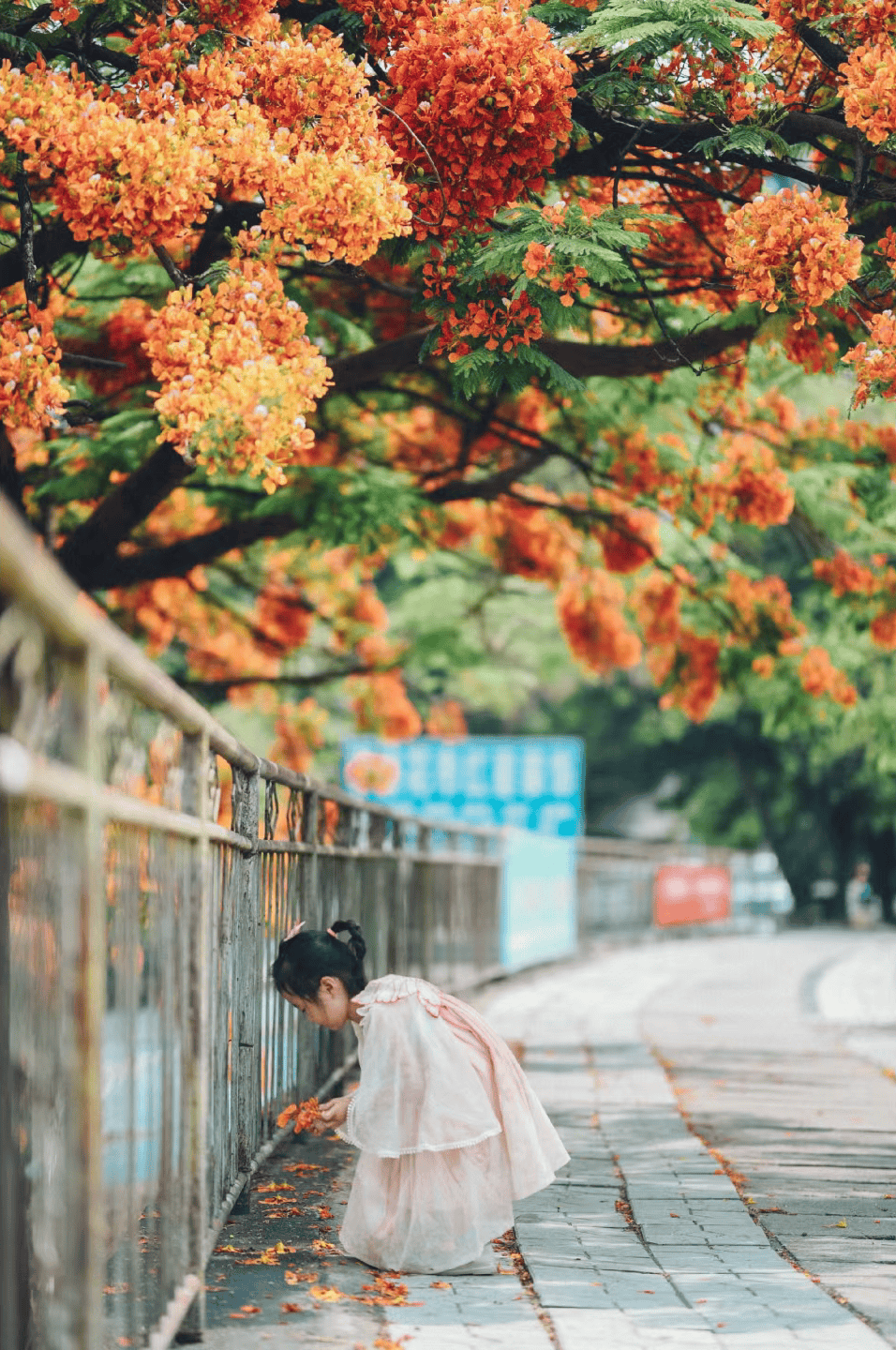
去四川5天4夜旅游花多少钱?此篇带你了解四川预算!
Sou Hu Cai Jing· 2025-07-05 01:55
Core Points - The article highlights the charm of Sichuan, emphasizing its unique natural scenery, rich cultural history, and delicious cuisine [1] - The travel experience is described as a well-organized five-day itinerary that combines natural landscapes, historical culture, and culinary experiences [8] Group 1: Travel Experience - The travel itinerary includes visits to Chengdu, Dujiangyan, Qingcheng Mountain, Emei Mountain, and Leshan Giant Buddha, showcasing a variety of attractions [5][6] - The average cost per person for the trip is approximately 800-1000 yuan, indicating high cost-performance [3] - The guide, Linlin, is praised for her knowledge and organization, enhancing the overall travel experience [3][8] Group 2: Culinary Highlights - Chengdu hotpot is recommended as a representative dish, known for its spicy and fragrant flavors, with suggestions for specific restaurants [12] - Other notable dishes include Mapo Tofu, Dongpo Pork, West Ba Tofu Banquet, and Salted Beef, each with unique preparation methods and flavors [12] - The article provides tips for enjoying Sichuan cuisine, such as starting with milder dishes and ensuring food freshness [12]
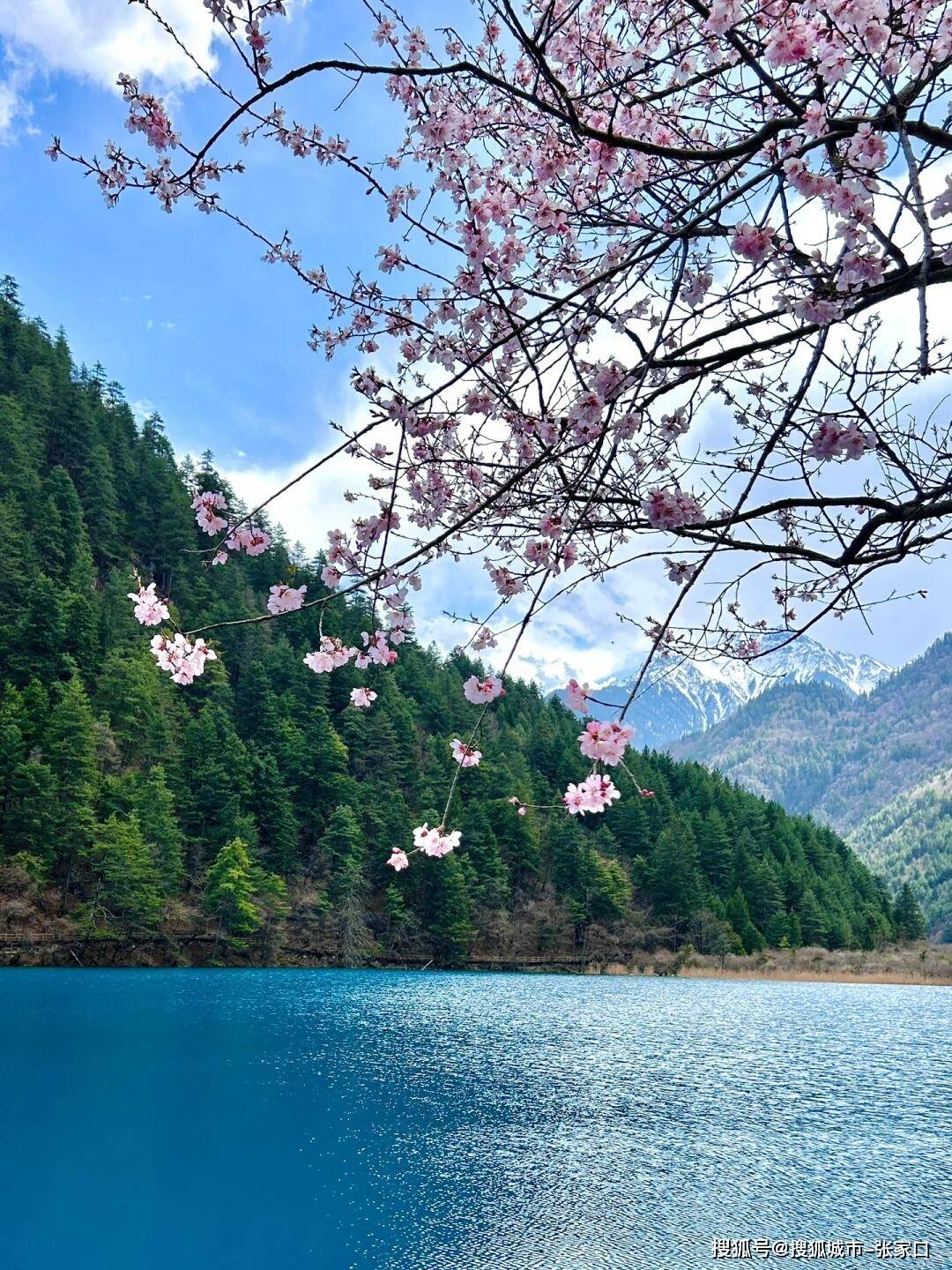
去四川纯玩四天花费多少钱?全篇干货满满收藏!
Sou Hu Cai Jing· 2025-07-05 01:55
Core Points - Sichuan is renowned for its stunning natural landscapes, rich cultural heritage, and delicious cuisine, attracting numerous tourists [1] - The trip included visits to significant cultural and historical sites, showcasing the local attractions and culinary delights [5][6] Group 1: Travel Experience - The itinerary was well-organized by a local guide, providing a high cost-performance ratio with an average expense of 800 to 1000 yuan per person, covering transportation, accommodation, meals, and entrance fees [3][8] - Key attractions included Wuhou Shrine, Jinli Ancient Street, Dujiangyan, Qingcheng Mountain, Emei Mountain, and Chengdu's Kuanzhai Alley, each offering unique cultural and scenic experiences [5][6] Group 2: Culinary Recommendations - Recommended dishes include Chengdu hotpot, Mapo tofu, Dongpo pork, Xiba tofu banquet, and Yanbian beef, highlighting the diverse flavors of Sichuan cuisine [15] - Tips for enjoying Sichuan food include starting with milder dishes for those unaccustomed to spice, ensuring food freshness, and respecting local dining customs [15]