成都火锅

Search documents
外国游客扎堆来蓉过年 入境游持续火热
Xin Lang Cai Jing· 2026-02-21 17:15
Group 1 - The influx of foreign tourists during the Chinese New Year has significantly boosted Chengdu's cultural and tourism consumption market, with over 5,000 hotel bookings in Xiling Snow Mountain and a notable increase in reservations for nearby hot spring hotels [1] - Popular tourist activities include a two-day itinerary of "playing in the snow during the day and soaking in hot springs at night," which has contributed to the rise in local tourism [1] - The vibrant atmosphere in Chengdu's core commercial areas, such as Chunxi Road and Taikoo Li, has attracted many foreign visitors, with restaurants like Haidilao experiencing full occupancy [2] Group 2 - The night cruise on Jinjiang River has been particularly appealing, with approximately 418,000 visitors from February 15 to February 21, including around 8,000 foreign tourists [2] - Tourists from Europe, including Germany and the UK, have expressed admiration for Chengdu's unique night scenery, highlighting the blend of historical charm and festive atmosphere [3] - The overall experience of international visitors in Chengdu, from enjoying local cuisine to participating in cultural performances, has led to positive feedback and a growing appreciation for the city [3]
【马河坎】未来五年开一家成都餐饮火锅的发展趋势是什么?
Sou Hu Cai Jing· 2025-12-18 13:09
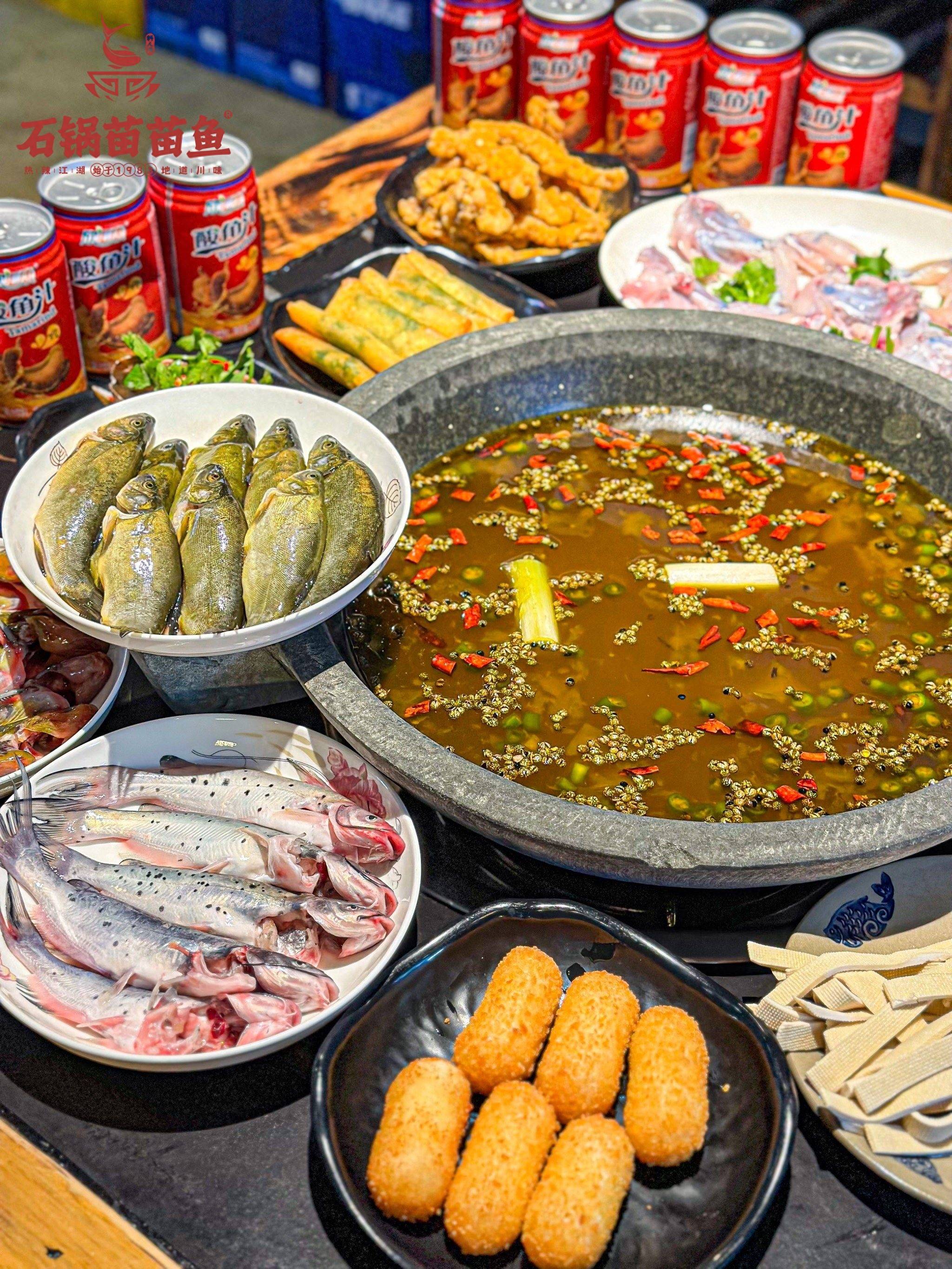
Core Viewpoint - The Chengdu hot pot industry is expected to experience significant development trends over the next five years, focusing on health, technology, branding, and cultural integration [1][13]. Health and Nutrition - Consumers are increasingly prioritizing health and nutrition in their dining choices, leading to a demand for high-quality, fresh, and organic ingredients in hot pot [4]. - Traditional high-oil and high-salt hot pot bases will be modified, with a rise in healthier options such as mushroom and tomato broths, as well as customized bases for different demographics [4]. Technology and Digitalization - The integration of smart and digital systems will enhance competitiveness in the hot pot industry, with more restaurants adopting smart ordering systems to improve efficiency and reduce errors [7]. - Digital management systems will allow restaurants to analyze consumer behavior and optimize operations, such as ingredient procurement and staff scheduling [7]. Branding and Chain Expansion - Brand reputation and chain operations will become crucial for growth, with well-known hot pot brands expanding rapidly to leverage their established quality and service standards [9]. - Chain operations will enable cost reductions through unified procurement and shared resources, leading to increased operational efficiency [9]. Culinary and Cultural Integration - The fusion of hot pot with other cuisines will be a highlight, incorporating classic dishes from Sichuan cuisine and Western cooking methods to create unique offerings [10]. - Chengdu hot pot will increasingly reflect local cultural elements in its decor and service, enhancing the dining experience for both locals and tourists [10][11].

带你“逛”中国,我们是行家(我在中外交流第一线)
Ren Min Ri Bao Hai Wai Ban· 2025-09-26 22:47
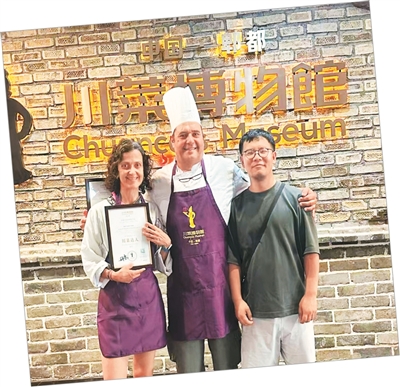
Core Insights - The article highlights the increasing demand for bilingual tour guides in China's tourism industry, particularly in the context of the "China Travel" trend, which emphasizes the importance of cultural exchange and storytelling [3][4][7]. Group 1: Industry Trends - The tourism market is experiencing a surge in the need for bilingual guides, who serve as both tour leaders and cultural ambassadors, connecting foreign tourists with Chinese culture [3][4]. - The implementation of a visa-free policy for Spanish passport holders has significantly boosted the number of Spanish tourists visiting Chengdu, with these tourists making up about half of the Spanish-speaking visitors [4]. Group 2: Tour Guide Experiences - Tour guides like Li Mingxiang and Wang Haiyan share their experiences of engaging with foreign tourists, emphasizing the importance of cultural understanding and personalized service in enhancing the travel experience [4][8]. - The guides often face challenges in communication, particularly with complex cultural concepts, but they adapt by preparing in advance and learning from each interaction [6][9]. Group 3: Cultural Exchange - The guides aim to provide immersive cultural experiences, such as teaching tourists about local cuisine and customs, which helps bridge cultural gaps and fosters a deeper appreciation for Chinese culture [5][12]. - Personal anecdotes from guides illustrate the emotional connections formed with tourists, highlighting the role of tour guides as cultural ambassadors who facilitate meaningful exchanges [10][14].
四川带娃4日游怎么玩,成都玩四天一个人多少钱?
Sou Hu Cai Jing· 2025-09-21 01:15
Core Points - The article provides a detailed travel guide for a 4-day family trip to Sichuan, highlighting the attractions, activities, and costs involved [1][3][13] Group 1: Travel Experience - The trip was organized with the help of a local guide, who ensured a well-planned itinerary and attentive care throughout the journey [3] - The average cost per person for the trip ranged from 800 to 1400 RMB, offering high value for the experience [3] - Key attractions included Jinli Ancient Street, Chengdu Research Base of Giant Panda Breeding, Du Fu Thatched Cottage, and cultural sites like Wuhou Shrine and Dujiangyan [6][7][13] Group 2: Food and Dining - Chengdu is renowned for its spicy cuisine, particularly hot pot, which is characterized by its rich flavors and variety of ingredients [11] - Other local delicacies mentioned include Chuan Chuan (skewered food), Long Chao Shou (dumplings), and Zhong Shui Jiao (spicy dumplings) [11] Group 3: Travel Tips - Weather in Sichuan can be unpredictable, especially in mountainous areas, so appropriate clothing should be packed [13] - Dining in Chengdu often features spicy food, and it is advisable to communicate dietary preferences to restaurant staff [13] - Transportation in Chengdu can be congested, making public transport a preferable option during peak hours [13] - Safety precautions for children in tourist areas are emphasized, including keeping a close watch to prevent accidents [13]
四川结伴4日游行程怎么安排,成都四日游大概需要多少钱?
Sou Hu Cai Jing· 2025-09-21 01:15
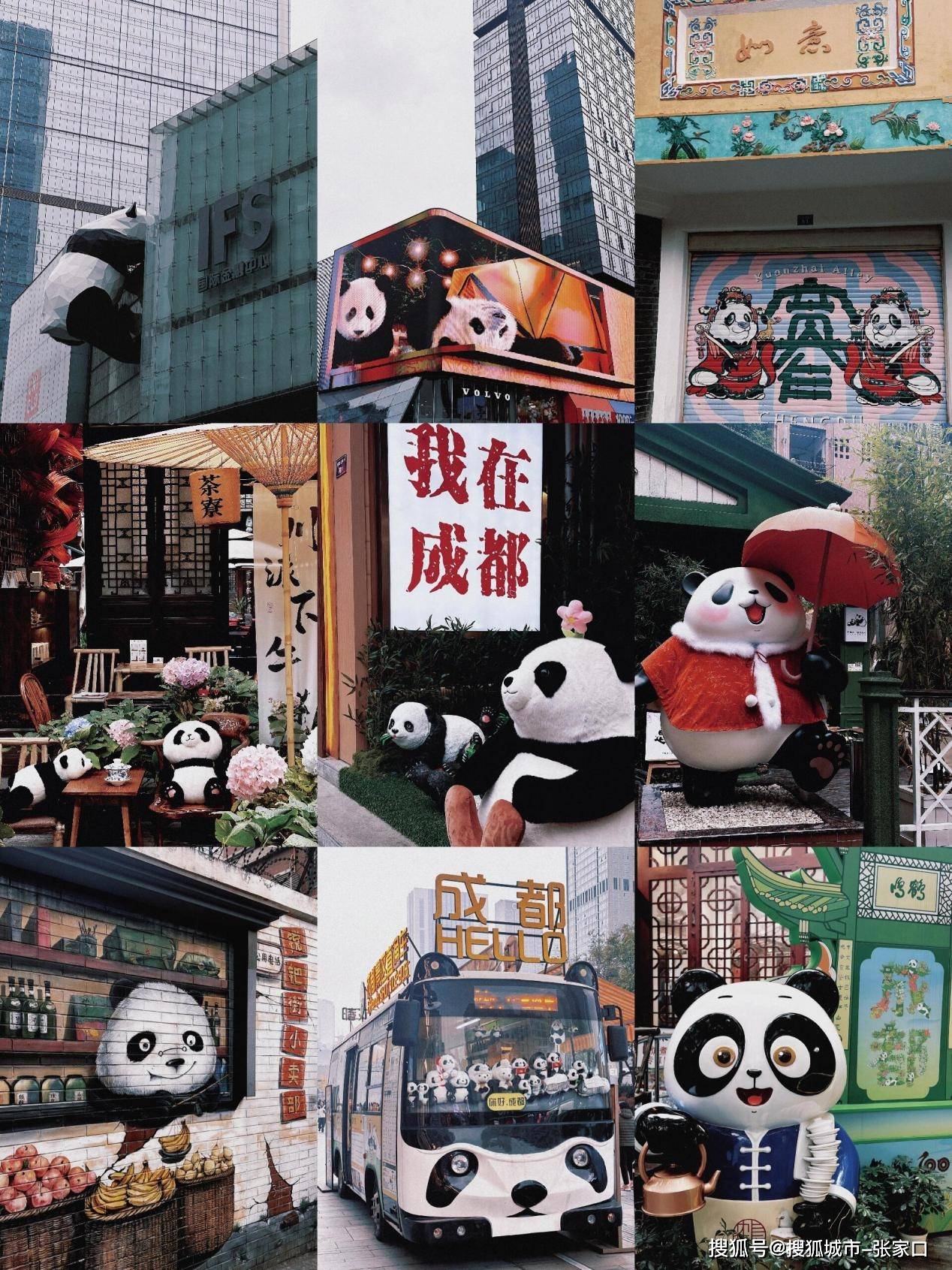
Core Points - Chengdu is a popular travel destination known for its rich culinary culture and historical significance [1][3] - The average cost for a 4-day, 3-night trip to Chengdu is between 800 to 1000 yuan, which is considered affordable given the rising prices [3] Itinerary Summary - Day 1: Arrival in Chengdu, check-in, visit Jinli Ancient Street for local snacks, lunch at a nearby restaurant for authentic Sichuan cuisine, afternoon visit to Wuhou Shrine, and evening at Kuanzhai Alley for traditional architecture and food [5][6][7] - Day 2: Morning visit to Dujiangyan, a UNESCO World Heritage site, lunch featuring local specialties, and afternoon hike at Qingcheng Mountain, known for its Daoist culture [5][6] - Day 3: Morning at the Panda Base to see giant pandas, lunch with local snacks, afternoon shopping and exploring at Chunxi Road and Taikoo Li, and dinner at a local restaurant [8][9] - Day 4: Morning visit to Du Fu's Thatched Cottage, lunch nearby, afternoon at Qingyang Palace to learn about Daoist culture, and prepare for departure [10][11][12][13] Travel Tips - Transportation in Chengdu is well-developed, with options like subways and buses, but traffic can be congested during peak times [15] - Weather can be variable, with significant temperature changes between day and night, so carrying a jacket is advisable [15] - Chengdu's cuisine is predominantly spicy, and caution is advised for those with sensitive stomachs [16]

四川成都五日游多少预算?真实经历揭秘!
Sou Hu Cai Jing· 2025-09-20 23:21
Core Points - The article highlights a successful five-day trip to Chengdu, Sichuan, organized by a local guide named Linlin, emphasizing the enjoyable and cost-effective experience [1][9] - The total cost per person for the trip was approximately 800 to 1000 yuan, showcasing high value for the services provided [9] Day-by-Day Summary - **Day 1: Arrival in Chengdu** The first day included a warm welcome with a private car service to the hotel, followed by a visit to Kuanzhai Alley, where traditional architecture and local snacks were enjoyed, culminating in a spicy hot pot dinner [3][4] - **Day 2: Panda Base and Cultural Exploration** The second day featured a visit to the Chengdu Research Base of Giant Panda Breeding, where visitors learned about panda habits, followed by a trip to Wuhou Shrine to explore Three Kingdoms culture [4][5] - **Day 3: Nature and Historical Sites** The third day was spent at Qingcheng Mountain, known for its serene environment, and included visits to historical sites like Tianshi Cave and Dujiangyan, an ancient irrigation system [5][6] - **Day 4: Local Culture and Arts** The fourth day involved exploring Jinli Ancient Street, filled with local crafts and performances, and a visit to the former residence of poet Du Fu, appreciating the cultural heritage [6][7] - **Day 5: Shopping and Departure** The final day was dedicated to shopping at Chunxi Road, a bustling commercial area, before heading to the airport, marking the end of the trip [7][8]
假期四川成都五日游费用多少?防坑指南+省钱妙招!
Sou Hu Cai Jing· 2025-09-16 11:36
Core Points - The article highlights a 5-day travel experience in Sichuan, particularly in Chengdu, during the National Day holiday, emphasizing the beauty and cultural richness of the region [1][12] - The trip was organized by a local guide, Linlin, who provided a well-structured itinerary at an affordable price of 1000 to 1400 yuan per person [3][12] Group 1: Travel Experience - The first day included visiting Jinli Ancient Street and Wuhou Shrine, where the traveler enjoyed local snacks and learned about historical figures from the Three Kingdoms period [5] - The second day featured a visit to the Chengdu Research Base of Giant Panda Breeding, where the traveler observed pandas and learned about their habits, followed by shopping and dining at Chunxi Road [5][6] - The third day involved exploring the Dujiangyan Scenic Area, a historical water conservancy project, and Qingcheng Mountain, known for its fresh air and natural beauty [6] - The fourth day was dedicated to Emei Mountain, a significant Buddhist site, where the traveler experienced the scenic views and cultural atmosphere [6] - The final day included a visit to the Du Fu Thatched Cottage, reflecting on the poet's life and works [6] Group 2: Culinary Highlights - Chengdu's hot pot is a must-try, known for its spicy and flavorful broth, with popular ingredients including beef tripe and duck intestines [10] - Other local delicacies include Chuan Chuan (skewered food), Long Chao Shou (traditional dumplings), and Zhong Shui Jiao (spicy dumplings), each offering unique flavors and experiences [10] Group 3: Travel Tips - Weather can vary significantly during the National Day holiday, especially in mountainous areas, so appropriate clothing is essential [12] - Dining in Chengdu is predominantly spicy; travelers should communicate their spice tolerance to restaurant staff [12] - Public transportation is recommended due to heavy traffic during the holiday, and travelers should use official ride-hailing services to avoid scams [12] - Adherence to safety regulations in scenic areas is crucial, particularly regarding wildlife interactions [12]
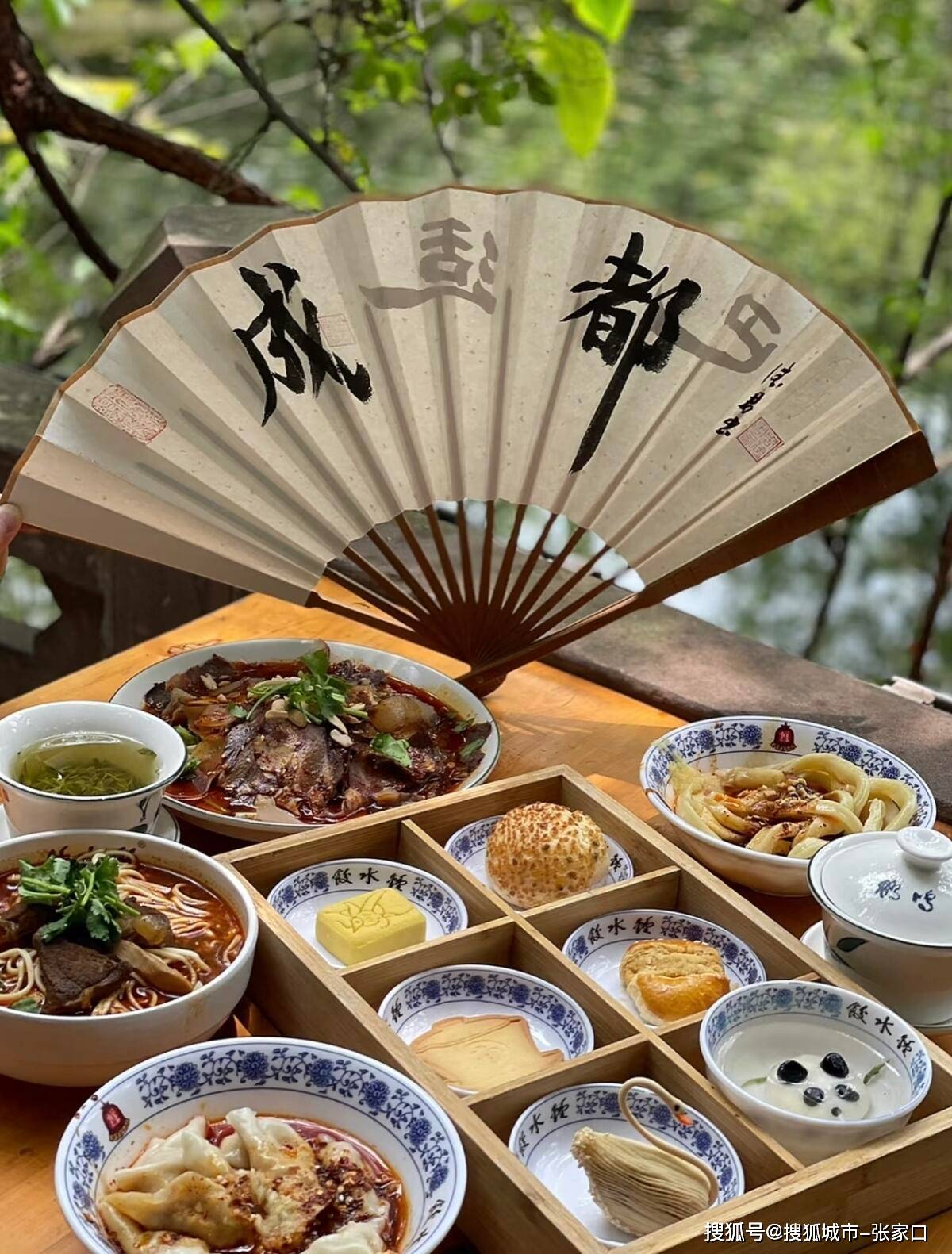
四川成都五天四晚旅游花多少钱?省钱避坑不迷路!
Sou Hu Cai Jing· 2025-09-16 08:44
Core Points - Chengdu, the capital of Sichuan, is a popular tourist destination known for its rich culture, giant pandas, and delicious cuisine [1] - The average cost for a five-day trip to Chengdu is between 1000 to 1400 yuan per person, highlighting the affordability of the experience [1] Group 1: Itinerary Highlights - The trip begins with arrival at Chengdu Shuangliu International Airport, followed by hotel check-in and rest [3] - Day one includes tasting local delicacies such as Zhong Shui Jiao and visiting historical sites like Jinli Ancient Street and Wuhou Shrine [4] - Day two features a visit to the Chengdu Research Base of Giant Panda Breeding, followed by dining on traditional Sichuan dishes [5] - The itinerary includes visits to cultural heritage sites like Dujiangyan and Qingcheng Mountain, showcasing natural beauty and historical significance [6][8] - The final day includes exploring Kuanzhai Alley and enjoying a Sichuan opera performance, rounding off the cultural experience [13] Group 2: Culinary Highlights - Chengdu is renowned for its hot pot, characterized by its spicy and fragrant flavors, with various ingredients available for dipping [16] - Sichuan cuisine is diverse, featuring dishes like twice-cooked pork and mapo tofu, known for their rich flavors [16] - Local snacks such as Long Chao Shou and Dan Dan Noodles are must-try items that reflect the region's culinary heritage [16] Group 3: Travel Tips - Visitors should be aware of the weather variations in Chengdu, especially during summer and winter, and prepare accordingly [19] - Traffic congestion is common, particularly during peak hours, so public transportation is recommended for city travel [19] - It is advisable to pre-book tickets for popular attractions to avoid delays and ensure a smooth travel experience [19]

3个人去四川成都玩3天要花多少钱?全新攻略及费用解析!
Sou Hu Cai Jing· 2025-09-13 12:01
Core Insights - Chengdu is highlighted as an attractive travel destination due to its leisurely lifestyle, rich food culture, and deep historical background [1][3][4] Day-by-Day Summary Day 1: Wuhou Shrine - Jinli Ancient Street - Kuanzhai Alley - The journey began at Wuhou Shrine, dedicated to Zhuge Liang from the Three Kingdoms period, where visitors can learn about historical stories [3] - Jinli Ancient Street offers a variety of traditional snacks, including Chengdu specialties like Chuan Chuan Xiang and Rabbit Head [3] - Kuanzhai Alley features preserved architecture from the Ming and Qing dynasties, providing a glimpse into local life and culture, including tea culture experiences [3] Day 2: Chengdu Research Base of Giant Panda Breeding - Wenshu Monastery - The second day included a visit to the Chengdu Research Base of Giant Panda Breeding, where visitors can see pandas in their natural habitat and learn about conservation efforts [4] - Wenshu Monastery, a historic Buddhist temple, offers a peaceful atmosphere and opportunities to enjoy vegetarian cuisine [4] Day 3: Dujiangyan - Qingcheng Mountain - The final day featured a visit to Dujiangyan, one of the oldest water conservancy projects in the world, showcasing ancient engineering wisdom [5] - Qingcheng Mountain, known for its Daoist significance, provides a serene environment for hiking and cultural exploration [5] Cost and Experience - The average cost for a three-day trip in Sichuan is approximately 800 to 1000 yuan per person, with personalized itineraries arranged by local guides [8] - The guide, Linlin, is noted for her extensive knowledge of local culture and tourism resources, ensuring a tailored travel experience [8] Travel Tips - Weather in Chengdu can be unpredictable; travelers are advised to check forecasts and prepare accordingly [11] - Transportation options include convenient public transit, with recommendations for using regulated taxi services [11] - A variety of accommodation options are available, from luxury hotels to budget hostels, catering to different preferences [11] - Local food recommendations include hotpot, Mapo tofu, and other traditional snacks, emphasizing the region's culinary diversity [11]
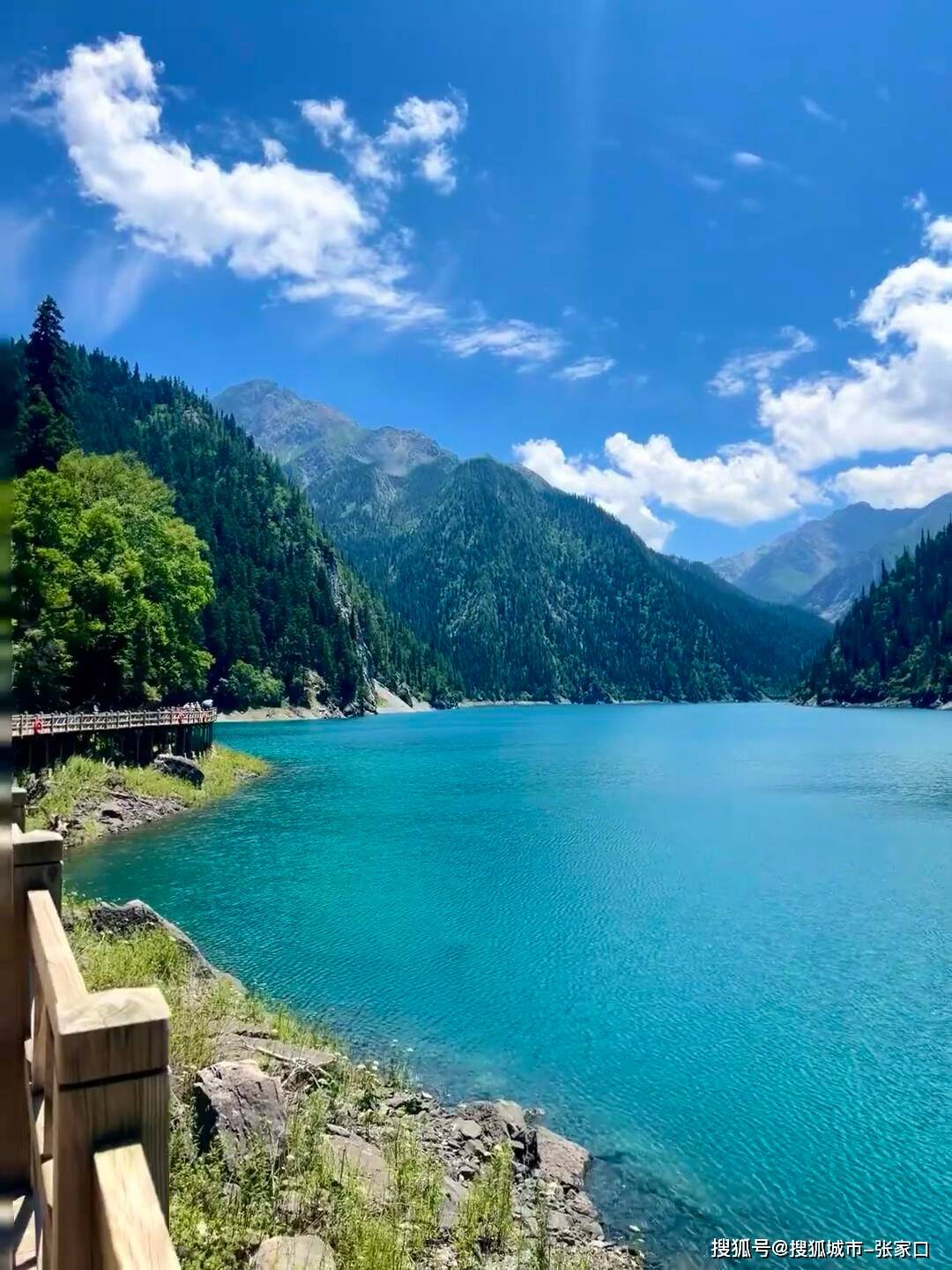
成都3日游要花多少钱?看完省钱又省心!
Sou Hu Cai Jing· 2025-09-13 01:46
Core Insights - The article highlights a three-day trip to Sichuan, emphasizing the region's natural beauty, rich history, and delicious cuisine [1][7]. Day-by-Day Summary Day 1: Arrival in Chengdu - The journey begins with a flight to Chengdu, where a local guide named Linlin assists with luggage and hotel check-in [3]. - The first attractions visited are Jinli Ancient Street and Kuanzhai Alley, known for their traditional architecture and local snacks [3]. Day 2: Historical and Cultural Exploration - The second day features a visit to Wuhou Shrine, dedicated to Zhuge Liang from the Three Kingdoms period, providing historical insights [4]. - The afternoon is spent at the Chengdu Research Base of Giant Panda Breeding, showcasing the conservation efforts for giant pandas [4]. Day 3: Natural Wonders - The final day includes a visit to Dujiangyan, an ancient irrigation system recognized as a UNESCO World Heritage site, followed by a trip to Qingcheng Mountain, a famous Taoist site [5]. Cost and Experience - The total cost for the three-day trip ranges from 800 to 1000 yuan per person, with a well-organized itinerary that caters to personal interests and physical conditions [7]. - The guide Linlin is praised for her knowledge and ability to avoid common tourist traps, enhancing the overall experience [7]. Travel Tips - Important travel considerations include checking weather conditions, planning transportation routes, and booking tickets for popular attractions in advance [9]. - Emphasis is placed on food safety, recommending dining at reputable restaurants and being mindful of local customs [13].