相马——马文物特展

Search documents
从博物馆到美术馆 跃马扬鞭踏进马年
Xin Lang Cai Jing· 2026-02-25 17:54
Core Viewpoint - The article highlights the significance of horses in Chinese culture, history, and art, emphasizing their role as symbols of power, vitality, and cultural identity throughout various dynasties and eras [2][4][15]. Group 1: Historical Significance of Horses - Horses have been integral to human civilization since their domestication, serving as partners in hunting and migration, with archaeological evidence dating back 45,000 years [2]. - In ancient China, horses were considered vital for agriculture and warfare, being included in sacrificial rites and depicted in various historical artifacts [2][3]. - The importance of horses is reflected in historical texts, where they are described as essential to national strength and military capability [2][4]. Group 2: Cultural Representations of Horses - The artistic representation of horses spans from ancient rock paintings to modern artworks, showcasing their significance in various cultural contexts [9][12]. - Notable examples include the "Copper Galloping Horse" from the Han Dynasty, which exemplifies advanced bronze casting techniques and symbolizes the spirit of the era [3][4]. - The depiction of horses in literature and art reflects their multifaceted roles in society, from symbols of nobility to representations of everyday life [11][15]. Group 3: Horses in Folklore and Beliefs - Horses are deeply embedded in Chinese mythology and folklore, often associated with auspicious meanings and cultural practices, such as the zodiac [13][14]. - The concept of horses as protectors and symbols of good fortune is prevalent in various cultural artifacts, including decorations and games [14][15]. - The integration of horses into daily life and celebrations illustrates their enduring significance in Chinese culture, representing vitality and progress [15].
文博日历丨马年到,邀请你来当慧眼识骏马的“伯乐”
Xin Lang Cai Jing· 2026-02-21 22:20
Core Viewpoint - The article highlights the "Horse Selection" exhibition at the Shanxi Museum, showcasing the cultural significance of horses in Chinese history, particularly during the Eastern Han and Tang dynasties, and invites visitors to engage with the exhibition and related activities [5][6][7]. Group 1: Exhibition Overview - The "Horse Selection" exhibition features nearly 200 horse-related artifacts from Shanxi, including over 140 items that are usually kept in storage [7]. - The exhibition includes notable pieces such as a bronze horse from the Eastern Han dynasty, a mini jade horse from the Western Zhou dynasty, and a colorful pottery jar depicting two galloping horses from the Han dynasty [7]. Group 2: Historical Context - The article discusses the importance of horses in ancient Chinese military history, emphasizing their role as a foundation for military strength and territorial expansion [6]. - It mentions that during the Han dynasty, significant efforts were made to improve horse breeds and establish a horse management system to enhance cavalry capabilities [6]. Group 3: Cultural Significance - Horses are portrayed as more than mere livestock; they symbolize military prowess and cultural identity throughout Chinese history [6]. - The article notes that the cultural history of horses in China reflects a broader narrative of military history and national spirit [6].

文化中国行丨用新展“打开”新春 年味更有文化味
Ren Min Wang· 2026-02-21 02:33
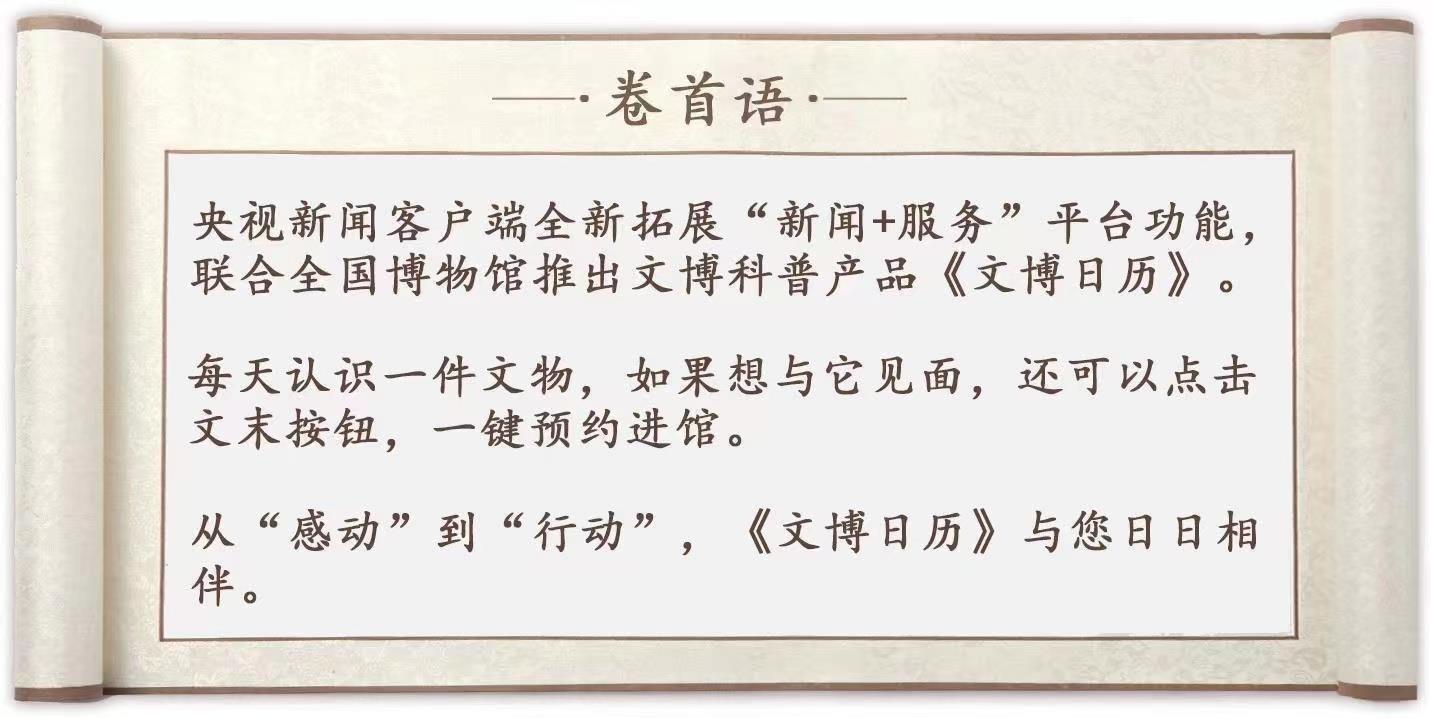
Core Viewpoint - The article highlights the vibrant cultural activities and exhibitions organized by various museums across China during the Spring Festival, emphasizing the integration of traditional culture with modern engagement methods to enhance public interest in heritage [2][5]. Group 1: Exhibition Highlights - The "Over New Year - Year of the Horse Spring Festival Theme Exhibition" at the Chinese Intangible Cultural Heritage Museum features a 4.5-meter tall, 3.6-meter diameter flower bread sculpture, showcasing a prosperous scene with dragon and phoenix motifs [1]. - The National Museum of China presents the "Galloping Horse - New Year Cultural Exhibition," displaying various horse figures from different historical periods, reflecting the significance of horses in Chinese civilization [2]. - The Shanghai Museum's Year of the Horse exhibition, titled "Spring Breeze and Galloping Steed," connects artifacts across a millennium, while also showcasing the "Modern Chinese Fashion: Shanghai Cheongsam and a Century of Style" exhibition [3]. Group 2: Educational and Interactive Activities - The Qinghai Provincial Museum's "Galloping Horse Welcomes Spring" event combines traditional sports and cultural activities, allowing visitors to engage with local customs and heritage through interactive games [5]. - The Henan Museum premiered an original cultural dance drama, "National Treasure Joy," featuring precious artifacts, aiming to educate audiences about history through music and dance [5]. - A collaborative initiative among nine museums in Gansu has created a "High-speed Train Mobile Museum," bringing elements of local culture and history to travelers during their journeys [5].
用新展“打开”新春 年味更有文化味
Xin Lang Cai Jing· 2026-02-20 13:28
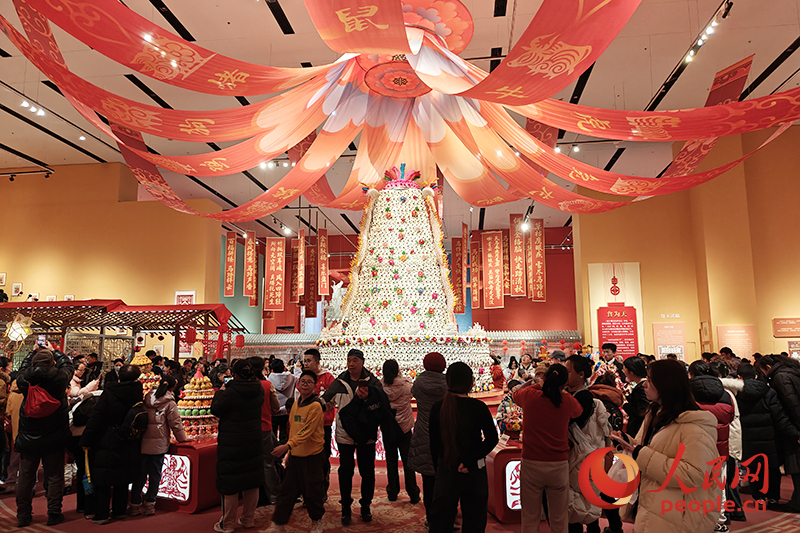
Core Viewpoint - The article highlights the cultural significance of the Spring Festival in China and the various themed exhibitions organized by museums across the country to celebrate the holiday, enriching the experience of "celebrating the New Year in museums" [1][5]. Group 1: Thematic Exhibitions - The National Museum of China features the "Leaping Horse" exhibition showcasing various representations of horses throughout history, emphasizing their importance in Chinese civilization [1]. - The China Intangible Cultural Heritage Museum presents the "New Year - Year of the Horse" exhibition, featuring a 4.5-meter tall flower cake that symbolizes prosperity and abundance [1]. - The Shanxi Museum invites visitors to explore the "Horse Cultural Relics Special Exhibition," which includes over 200 artifacts, with more than 140 being rare items not often seen [2]. - The Shanghai Museum's Year of the Horse exhibition, titled "Spring Breeze and Galloping Steeds," connects horse-themed artifacts across a millennium, alongside a fashion exhibition on qipao [2]. Group 2: Educational and Interactive Activities - Various museums are enhancing visitor engagement through technology and cross-disciplinary activities, making cultural connections more vivid and lasting [4]. - The Qinghai Provincial Museum's "Galloping Horse Welcomes Spring" event combines traditional sports and cultural activities, integrating local customs and heritage into an interactive experience [4]. - The Henan Museum premiered an original cultural performance titled "National Treasure Joy," using music and dance to present the stories of precious artifacts [4]. - A "High-speed Train Mobile Museum" initiative by nine museums in Gansu province allows travelers to experience cultural heritage while traveling, featuring elements like murals and pottery [4].