跃马扬鞭——马年新春文化展

Search documents
从博物馆到美术馆 跃马扬鞭踏进马年
Xin Lang Cai Jing· 2026-02-25 17:54
Core Viewpoint - The article highlights the significance of horses in Chinese culture, history, and art, emphasizing their role as symbols of power, vitality, and cultural identity throughout various dynasties and eras [2][4][15]. Group 1: Historical Significance of Horses - Horses have been integral to human civilization since their domestication, serving as partners in hunting and migration, with archaeological evidence dating back 45,000 years [2]. - In ancient China, horses were considered vital for agriculture and warfare, being included in sacrificial rites and depicted in various historical artifacts [2][3]. - The importance of horses is reflected in historical texts, where they are described as essential to national strength and military capability [2][4]. Group 2: Cultural Representations of Horses - The artistic representation of horses spans from ancient rock paintings to modern artworks, showcasing their significance in various cultural contexts [9][12]. - Notable examples include the "Copper Galloping Horse" from the Han Dynasty, which exemplifies advanced bronze casting techniques and symbolizes the spirit of the era [3][4]. - The depiction of horses in literature and art reflects their multifaceted roles in society, from symbols of nobility to representations of everyday life [11][15]. Group 3: Horses in Folklore and Beliefs - Horses are deeply embedded in Chinese mythology and folklore, often associated with auspicious meanings and cultural practices, such as the zodiac [13][14]. - The concept of horses as protectors and symbols of good fortune is prevalent in various cultural artifacts, including decorations and games [14][15]. - The integration of horses into daily life and celebrations illustrates their enduring significance in Chinese culture, representing vitality and progress [15].
文化中国行丨用新展“打开”新春 年味更有文化味
Ren Min Wang· 2026-02-21 02:33
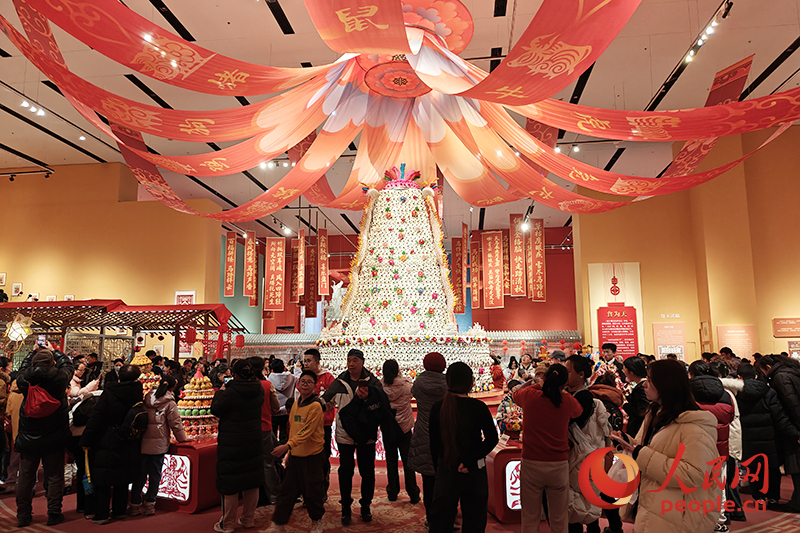
Core Viewpoint - The article highlights the vibrant cultural activities and exhibitions organized by various museums across China during the Spring Festival, emphasizing the integration of traditional culture with modern engagement methods to enhance public interest in heritage [2][5]. Group 1: Exhibition Highlights - The "Over New Year - Year of the Horse Spring Festival Theme Exhibition" at the Chinese Intangible Cultural Heritage Museum features a 4.5-meter tall, 3.6-meter diameter flower bread sculpture, showcasing a prosperous scene with dragon and phoenix motifs [1]. - The National Museum of China presents the "Galloping Horse - New Year Cultural Exhibition," displaying various horse figures from different historical periods, reflecting the significance of horses in Chinese civilization [2]. - The Shanghai Museum's Year of the Horse exhibition, titled "Spring Breeze and Galloping Steed," connects artifacts across a millennium, while also showcasing the "Modern Chinese Fashion: Shanghai Cheongsam and a Century of Style" exhibition [3]. Group 2: Educational and Interactive Activities - The Qinghai Provincial Museum's "Galloping Horse Welcomes Spring" event combines traditional sports and cultural activities, allowing visitors to engage with local customs and heritage through interactive games [5]. - The Henan Museum premiered an original cultural dance drama, "National Treasure Joy," featuring precious artifacts, aiming to educate audiences about history through music and dance [5]. - A collaborative initiative among nine museums in Gansu has created a "High-speed Train Mobile Museum," bringing elements of local culture and history to travelers during their journeys [5].

用新展“打开”新春 年味更有文化味
Xin Lang Cai Jing· 2026-02-20 13:28
Core Viewpoint - The article highlights the cultural significance of the Spring Festival in China and the various themed exhibitions organized by museums across the country to celebrate the holiday, enriching the experience of "celebrating the New Year in museums" [1][5]. Group 1: Thematic Exhibitions - The National Museum of China features the "Leaping Horse" exhibition showcasing various representations of horses throughout history, emphasizing their importance in Chinese civilization [1]. - The China Intangible Cultural Heritage Museum presents the "New Year - Year of the Horse" exhibition, featuring a 4.5-meter tall flower cake that symbolizes prosperity and abundance [1]. - The Shanxi Museum invites visitors to explore the "Horse Cultural Relics Special Exhibition," which includes over 200 artifacts, with more than 140 being rare items not often seen [2]. - The Shanghai Museum's Year of the Horse exhibition, titled "Spring Breeze and Galloping Steeds," connects horse-themed artifacts across a millennium, alongside a fashion exhibition on qipao [2]. Group 2: Educational and Interactive Activities - Various museums are enhancing visitor engagement through technology and cross-disciplinary activities, making cultural connections more vivid and lasting [4]. - The Qinghai Provincial Museum's "Galloping Horse Welcomes Spring" event combines traditional sports and cultural activities, integrating local customs and heritage into an interactive experience [4]. - The Henan Museum premiered an original cultural performance titled "National Treasure Joy," using music and dance to present the stories of precious artifacts [4]. - A "High-speed Train Mobile Museum" initiative by nine museums in Gansu province allows travelers to experience cultural heritage while traveling, featuring elements like murals and pottery [4].
春节京城看展:跃马扬鞭——马年新春文化展
Jing Ji Guan Cha Bao· 2026-02-13 00:53
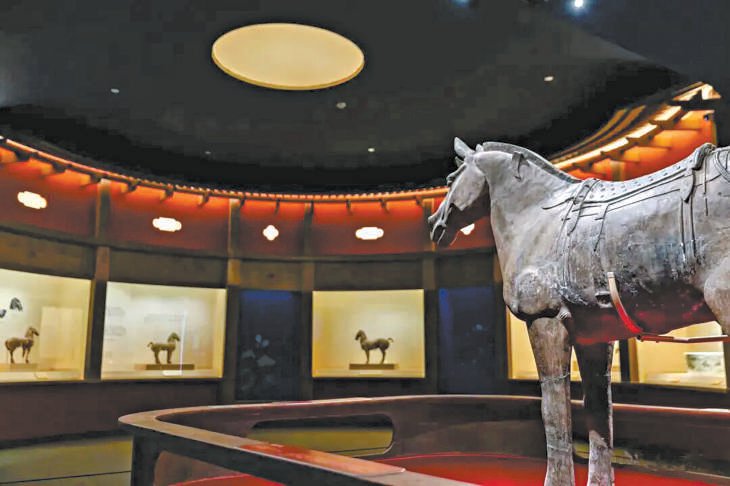
Group 1 - The exhibition "Galloping Forward - The Year of the Horse Cultural Exhibition" will open on January 30, 2026, at the North 8 Exhibition Hall of the National Museum of China and will last for three months [1][2] - The exhibition features over 120 precious cultural relics related to horses, supported by six cultural institutions including the Gansu Provincial Museum, and is included in the "Top 10 Must-Visit Lists for Spring Festival" published by the Beijing Municipal Bureau of Culture and Tourism [1] - The exhibition is organized into five sections: "Noble Steeds Accompanying Civilization," "Chariots and Horses in Rituals," "Craftsmanship of Saddles and Bridles," "Hoofbeats Across Miles," and "Divine Steeds Depicting the Flow of Years," showcasing the diverse representations of horses in Chinese civilization [1]
博物馆烹制年味大餐
Xin Lang Cai Jing· 2026-02-11 22:53
Group 1 - The core theme of the exhibitions is centered around the Year of the Horse, showcasing over 150 unique exhibitions and activities across various museums in Beijing to celebrate the upcoming Spring Festival [2][3] - The National Museum of China presents the "Leaping Horse - Spring Festival Cultural Exhibition," featuring over 120 precious artifacts related to horses, highlighting the rich horse culture in Chinese civilization [2] - The "Horse Culture Exhibition" at the China Garden Museum and Beijing Art Museum emphasizes interactive design and immersive experiences, allowing visitors to engage with the cultural significance of horses through activities like calligraphy [3] Group 2 - Various exhibitions focus on traditional customs and celebrations, such as the "Spring Festival Series Theme Exhibition" at the China Arts and Crafts Museum, which covers aspects like the evolution of customs and the significance of horse culture [3] - The Capital Museum's "Banners and Drums of Youyan - Cultural Exhibition of Temple Fairs in Beijing, Tianjin, and Hebei" features over 260 valuable artifacts and folk items, showcasing the cultural heritage of temple fairs [3] - Several museums, including the China Geological Museum and the Capital Museum, are introducing new cultural and creative products, with the "Horse Brings Joy" product becoming a bestseller [4] Group 3 - Museums are extending their opening hours during the Spring Festival and winter vacation to accommodate diverse visitor needs, with the Capital Museum open until 19:00 and the Beijing Olympic Museum until 20:00 [4] - The Beijing Exhibition Hall will host an "Art Market" event featuring hundreds of high-quality cultural and creative products, enhancing the cultural experience for visitors [4]
国博推出马年新春文化展
Xin Hua Wang· 2026-01-30 08:23
Core Viewpoint - The "Leap Horse and Whip - Year of the Horse Spring Cultural Exhibition" is set to open on January 30, showcasing over 120 exquisite cultural relics related to horses, supported by various museums in China [2] Group 1 - The exhibition is organized by the National Museum of China in collaboration with several institutions including the Gansu Provincial Museum and the Qin Shi Huang Mausoleum Museum [2] - The event coincides with the arrival of the Year of the Horse, highlighting the cultural significance of horses in Chinese heritage [2] - The exhibition features a selection of more than 120 items, emphasizing the artistic and historical value of horse-related artifacts [2]
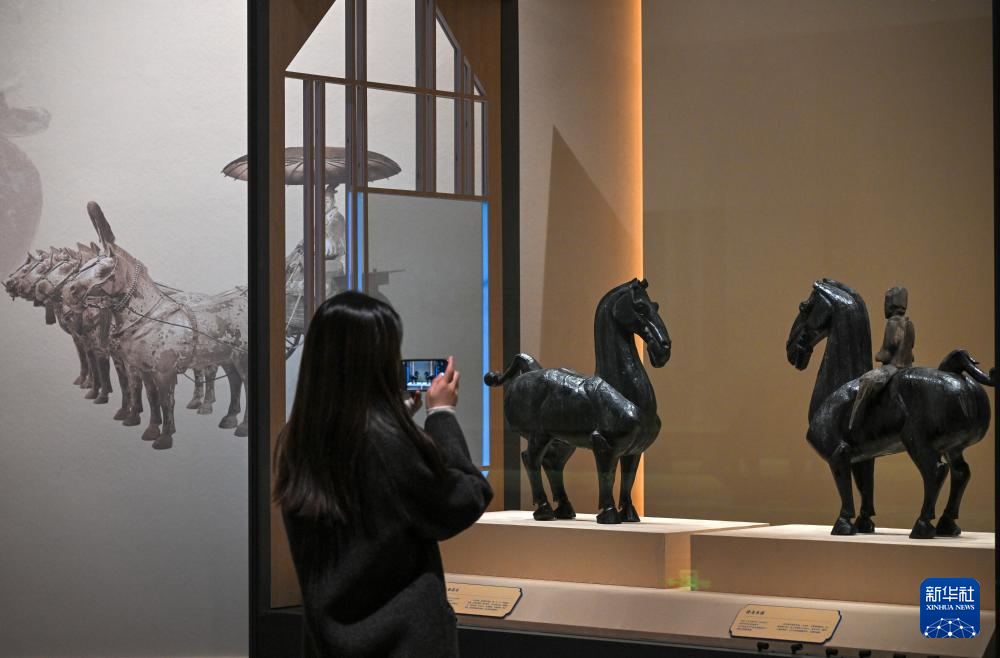
120余匹“马”“跃”进国博马年新春文化展
Xin Lang Cai Jing· 2026-01-30 06:15
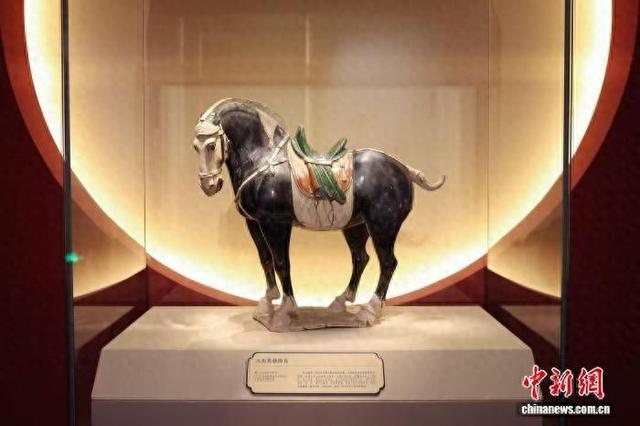
Core Viewpoint - The annual National Museum of China Spring Festival exhibition, titled "Leaping Horse - Year of the Horse Cultural Exhibition," showcases over 120 selected cultural relics related to horses, highlighting the profound cultural significance and contemporary value of horses in Chinese culture [1]. Group 1: Exhibition Highlights - The exhibition features notable artifacts such as the "Sancai Black Glazed Horse" from the Tang Dynasty, which exemplifies the artistic excellence of Tang Sancai ceramics and the technical mastery of kiln firing [3]. - The Qin Dynasty's saddle horse figurines reflect the rigorous standards for selecting warhorses, showcasing a powerful and robust image of horses [3]. - The Western Han wooden lacquer horse from the Mianyang Museum displays distinct regional characteristics, emphasizing the horse's strong physique and cultural representation [3]. Group 2: Cultural Significance - The curator, Xu Wenjun, emphasizes that horses were indispensable companions and emotional symbols for ancient Chinese people, representing aspirations for a better life and deep-rooted cultural connections [6]. - The exhibition includes various artistic representations of horses, such as the Song Dynasty's "Hunting Map" and the Qing Dynasty's "Eighteen Steeds," which reflect different artistic styles and techniques influenced by both Chinese and Western art [6]. Group 3: Cultural Products - The National Museum has launched a cultural product series based on the "Sancai Black Glazed Horse," named "A Black Horse" IP series, which includes over 30 interactive products aimed at engaging younger consumers [8]. - The cultural products focus on emotional value and cultural attributes, providing consumers with opportunities for creative engagement, such as assembling a perpetual calendar or interacting with plush toys [8].