知识库解决方案

Search documents
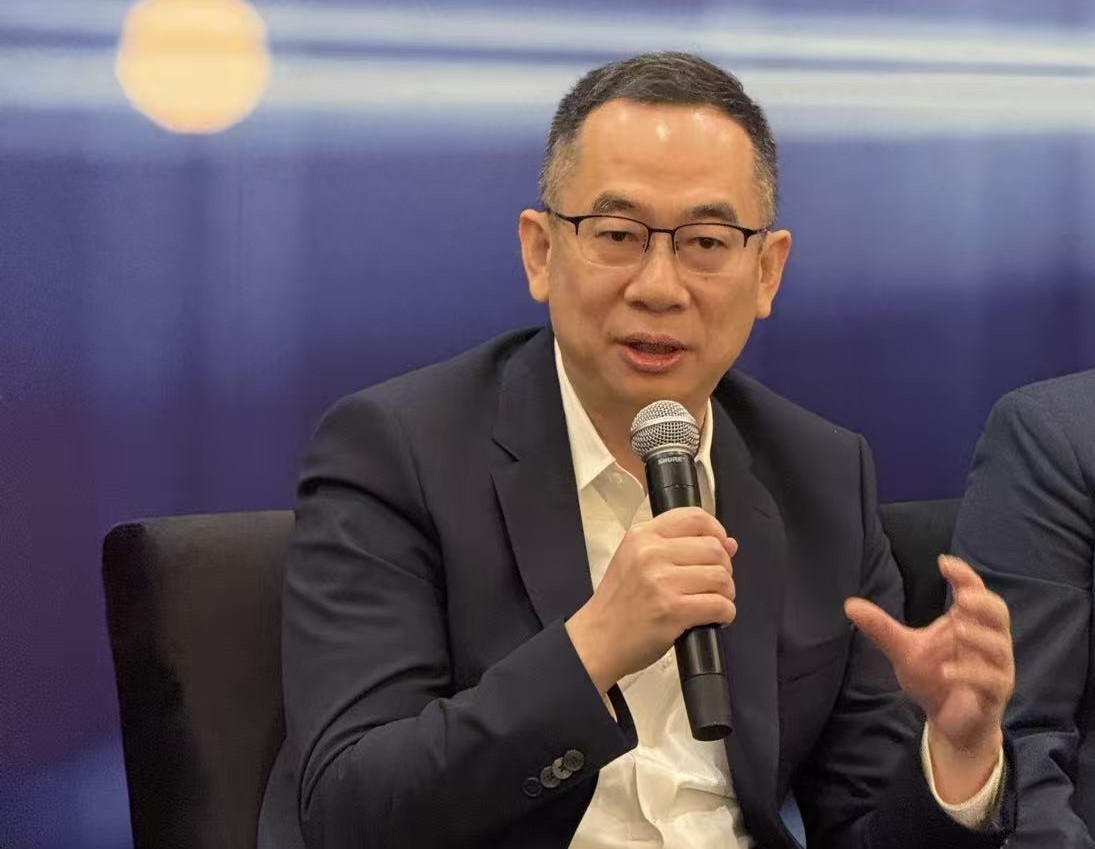
联想王立平:企业智能化转型已经从“+AI”升级为“AI+”
Zheng Quan Ri Bao Zhi Sheng· 2026-01-08 04:14
Core Insights - Lenovo's Vice President Wang Liping emphasized the transition from traditional "+AI" to "AI+" in enterprise intelligent transformation, indicating a significant shift in business models driven by AI [1][3] - Lenovo aims to assist clients in reducing operational costs and enhancing efficiency while also fostering innovative business models and growth opportunities [1] Group 1 - The concept of "AI+" relies on AI-native organizations, representing a major iteration in the mindset and methods of enterprise transformation, leading to business model innovation [3] - An example provided is Lenovo's collaboration with Yili, where AI was utilized to restructure the entire value chain from farm to consumer, resulting in a significant reduction in transportation costs and a 98% on-time delivery rate [3] Group 2 - Wang highlighted that without data intelligence transformation, effective utilization of data is unattainable, noting that 90% of enterprise data may remain unused [3] - Lenovo supports clients in effective data collection through numerous edge devices and offers knowledge base solutions and knowledge graphs to aid in data governance [3] Group 3 - Intelligent manufacturing is identified as a key focus area for Lenovo, which differentiates itself from consulting firms by providing full lifecycle services based on its own smart manufacturing experience [3] - As the "14th Five-Year Plan" begins, Lenovo expresses its eagerness to collaborate with more clients to convert AI potential into competitive and growth advantages for enterprises [3]


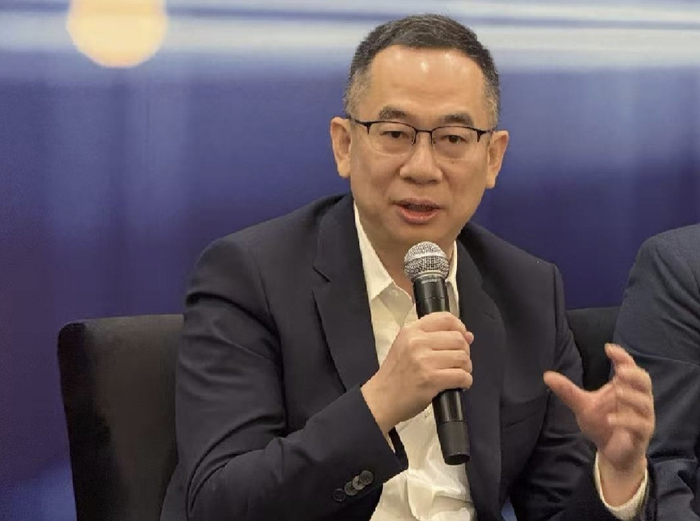
CES 2026|联想王立平:企业智能化转型已经从传统“+AI”升级为“AI+”
Huan Qiu Wang· 2026-01-08 03:54
Core Insights - The Lenovo Innovation Technology Conference, the largest in history, was held during CES 2026, highlighting the shift from traditional "+AI" to "AI+" in enterprise digital transformation [1][3] - Lenovo aims to leverage its comprehensive advantages from business consulting to implementation, helping clients reduce costs and enhance efficiency while innovating business models and uncovering growth opportunities [1][3] Group 1 - The transition from "+AI" to "AI+" represents a significant iteration in enterprise transformation, relying on AI-native organizations to drive business model innovation [3] - An example provided is the collaboration with Yili, where Lenovo helped reconstruct the entire value chain from farm to consumer, resulting in a significant reduction in transportation costs and a 98% on-time delivery rate [3] Group 2 - Lenovo emphasizes the importance of data intelligence transformation, noting that 90% of enterprise data may remain unused, and offers solutions for effective data collection and governance through edge devices and knowledge graph solutions [3] - The company is focusing on smart manufacturing as a key industry, providing full lifecycle services based on its own smart manufacturing experience, differentiating itself from traditional consulting firms [3]