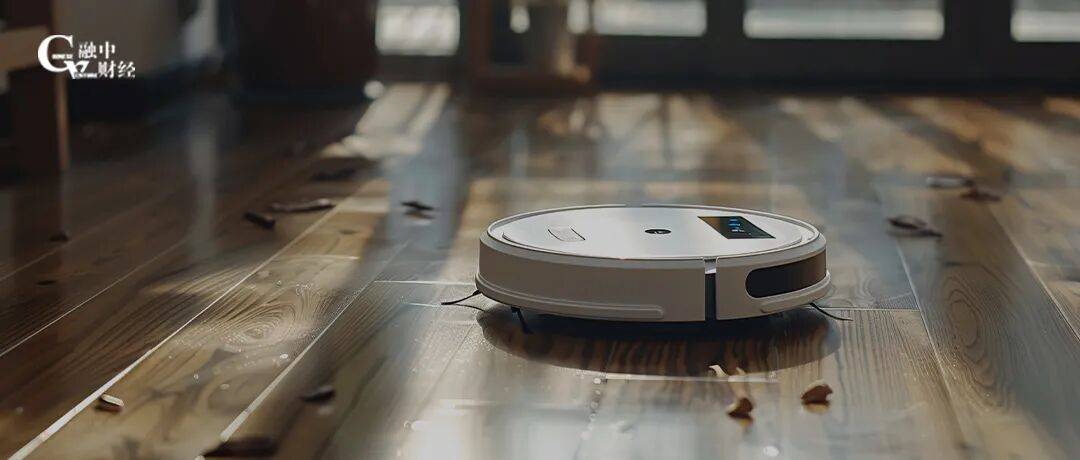
石头T8 Pro

Search documents
280亿,扫地机器人鼻祖宣布破产
Sou Hu Cai Jing· 2025-12-20 04:17
Core Insights - The collapse of iRobot, a pioneer in the robotic vacuum industry, is attributed to regulatory failures, trade policy conflicts, and competition from Chinese firms, leading to its bankruptcy filing and subsequent acquisition by a Chinese supplier [2][6][9]. Company Overview - iRobot was founded in 1990 by three MIT roboticists and initially focused on defense and space applications before launching the Roomba vacuum in 2002, which became a household name [3][4]. - At its peak in 2021, iRobot's valuation reached $3.56 billion, with Roomba capturing 42% of the U.S. market and 65% in Japan, totaling over 50 million units sold [3][4]. Competitive Landscape - iRobot faced increasing competition from Chinese companies like Ecovacs and Roborock, which invested 2-3 times more in R&D and adopted aggressive pricing strategies, undermining iRobot's market position [4][5]. - The introduction of advanced technologies by competitors, such as laser navigation and AI visual recognition, rendered iRobot's existing technology outdated [4][5]. Financial Challenges - iRobot's reliance on manufacturing in Vietnam led to a significant cost increase when punitive tariffs were imposed, resulting in a $23 million rise in expenses [4]. - The cooling real estate market, exacerbated by rising interest rates, negatively impacted sales of home appliances, including robotic vacuums [4]. Acquisition Attempt and Regulatory Impact - In August 2022, Amazon announced a $1.7 billion acquisition of iRobot, which was seen as a lifeline for the struggling company [5]. - Regulatory bodies in the EU and the U.S. blocked the acquisition, citing potential anti-competitive concerns, which ultimately led to iRobot's stock plummeting by 80% and significant layoffs [5][7]. Bankruptcy and Acquisition - iRobot filed for Chapter 11 bankruptcy and sold its assets to Chinese supplier Picea Robotics for $190 million, marking a significant shift in ownership from a U.S. company to foreign control [6][9]. - The regulatory actions intended to protect competition inadvertently facilitated the loss of a key American technology firm to foreign ownership [6][9]. Industry Implications - iRobot's downfall highlights the structural flaws in Western regulatory frameworks, which focus on domestic competition while neglecting the competitive threats posed by foreign firms [9][10]. - The case serves as a cautionary tale for the smart home industry, indicating a shift from single-product success to the necessity of ecosystem integration for survival [11][12]. Future Outlook - The smart home market is transitioning from individual product sales to comprehensive smart home ecosystems, with companies needing to adapt or risk obsolescence [11][12]. - Firms must establish a clear position within the ecosystem, deepen their technological advantages, and maintain financial health to navigate the evolving landscape [15][16].