积木机器人

Search documents
焦点访谈|加强中小学科技教育 培育科技创新后备力量
Yang Shi Wang· 2026-01-31 13:22
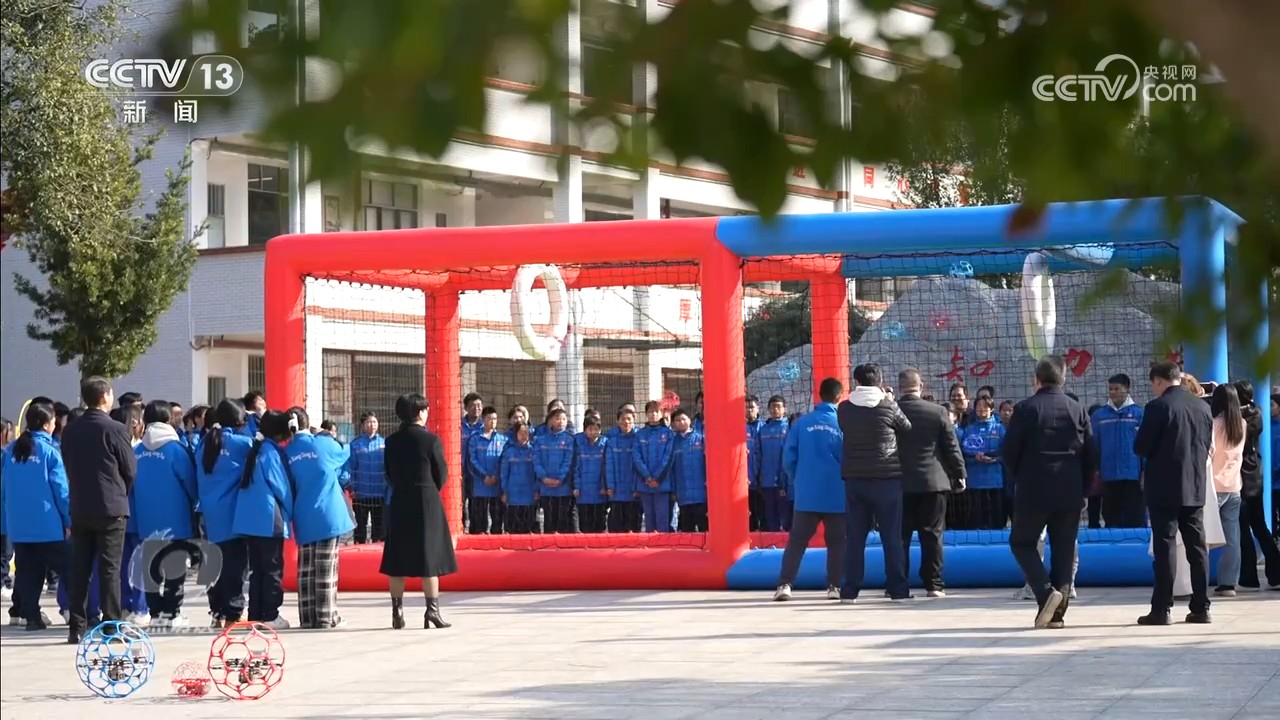
Core Viewpoint - The article emphasizes the importance of strengthening science and technology education in primary and secondary schools as a means to foster national development and innovation, highlighting various successful initiatives across different regions in China [1][3]. Group 1: Initiatives in Science and Technology Education - The Ministry of Education and six other departments issued a directive in November 2025 to enhance science and technology education in schools, aiming to transform educational methods and encourage hands-on learning [1]. - In Yongzhou, Hunan, a rural school, Yaoxiang Middle School, has developed a range of technology projects, including drone soccer and programming robots, which began with a modest investment of 5,000 yuan in 2015 [3][5]. - The success of Yaoxiang Middle School has inspired other schools in the region to adopt similar technology education initiatives, supported by a dedicated annual budget of 6 million yuan from the local education bureau for technology education [5][7]. Group 2: Broader Trends in Technology Education - Technology education is evolving beyond traditional competitions to include interdisciplinary project-based learning and collaborative scientific practices, integrating various forms of technology into daily teaching [7][11]. - In Baotou, Inner Mongolia, AI education has been introduced in classrooms, with a pilot program for AI courses set to begin in the 2025 academic year, despite challenges in standardization and resource allocation [9][11]. - In resource-rich cities like Hangzhou, innovative technology education is being implemented, utilizing AI tools in cooking classes and engineering practices, fostering curiosity and exploration among students [11][13]. Group 3: Future Implications and Challenges - The article highlights the need for a systematic approach to technology education, addressing challenges in teacher training, curriculum development, and evaluation systems to ensure equitable access to quality education [9][13]. - The overarching goal is to cultivate a generation of students who think like scientists and create like engineers, thereby enhancing China's future technological competitiveness [9][13].